
How the Kingdom of Buganda preserved its institutions in Uganda
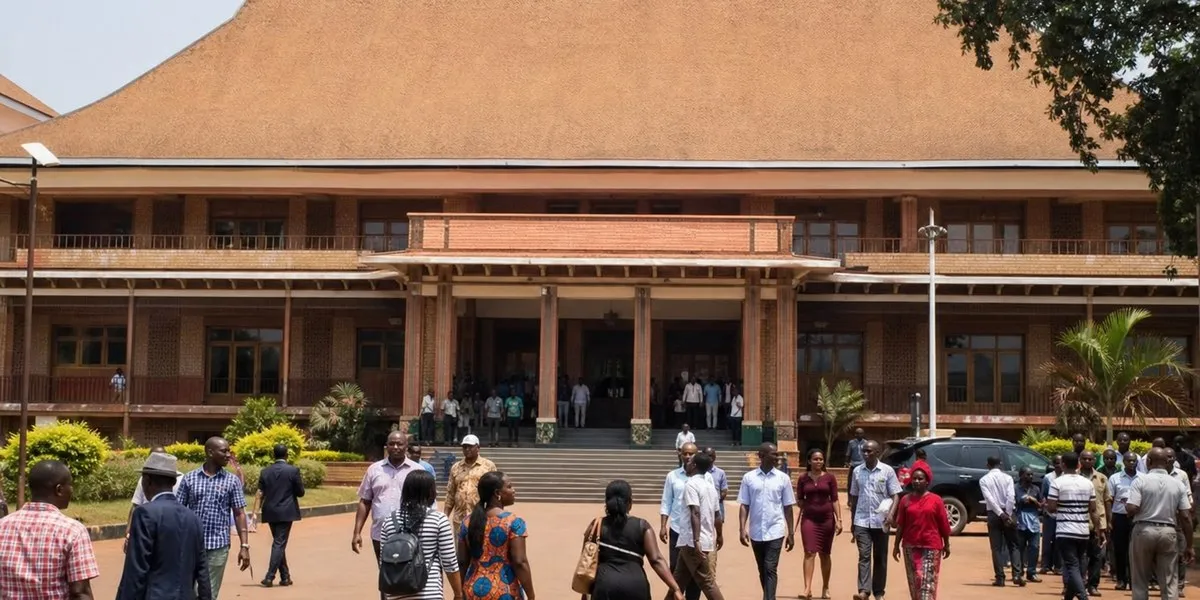
In Kampala, Uganda’s capital, the centuries-old Kingdom of Buganda continues to exist within the modern republic with its traditional institutions headed by a king, the kabaka. Uganda’s Constitution recognizes traditional and cultural leaders, but does not allow them to exercise the state’s administrative, legislative or executive powers, or to participate in party politics.
As Al Jazeera English reports, Buganda has the Great Lukiiko, which the kingdom calls its parliament, and an administration headed by the katikkiro, the prime minister. According to the kingdom itself, its traditional territory covers about 61,000 square kilometers, and its population is approximately 12 million people.
History and governance
The kingdom itself dates its founding to the late 14th century, while oral traditions link Buganda’s origins to the 13th century and the figure of Katu Kintu. Historian Semakula Kiwanuka noted that, due to the lack of written sources, the exact chronology of the unification of the early chiefdoms remains a matter of historical interpretation. According to him, Katu Kintu’s historical existence has not been confirmed, as this name is also associated with a Buganda folkloric character.
Buganda spokesperson and Information Minister Owek Israel Kazibwe Kitooke said that Kabaka Chwa I formed an alliance of five clans at the beginning of the 14th century: Ffumbe, Lugave, Nnongo, Njaza and Nnyonyi. Six more clans later joined them. According to Kitooke, the kingdom’s system of governance is based on the royal dynasty, the clan structure and public participation: the kabaka appoints ministers and officials from the wider community.
More current news is available on the UA.News Telegram channel Telegram.
The colonial period and restoration of the monarchy
Islam came to Buganda in the 19th century during the reign of Kabaka Mutesa I, who received Arab traders. According to the kingdom’s historical records, Mutesa I converted to Islam and observed Ramadan in 1877. His successor, Mwanga II, resisted British colonial expansion.
In 1894, the kingdom became a British protectorate. Following his defeat by the British, Mwanga II was captured and exiled to the Seychelles, where he died in captivity. After Uganda gained independence on October 9, 1962, Buganda had a special federal status and certain legislative powers.
In 1966, Prime Minister Milton Obote ordered a military attack on the royal palace, suspended the constitution and abolished the traditional kingdoms. The monarchy was restored in 1993, when Ronald Muwenda Mutebi II was enthroned as the 36th kabaka. Buganda’s traditions include rules of hospitality and communication, family ties, marriage customs and the settlement of family disputes with the participation of a council of elders. The kingdom marks its national day one day before Uganda’s national day.


