
Japanese restaurants introduce paid priority entry — The Japan Times
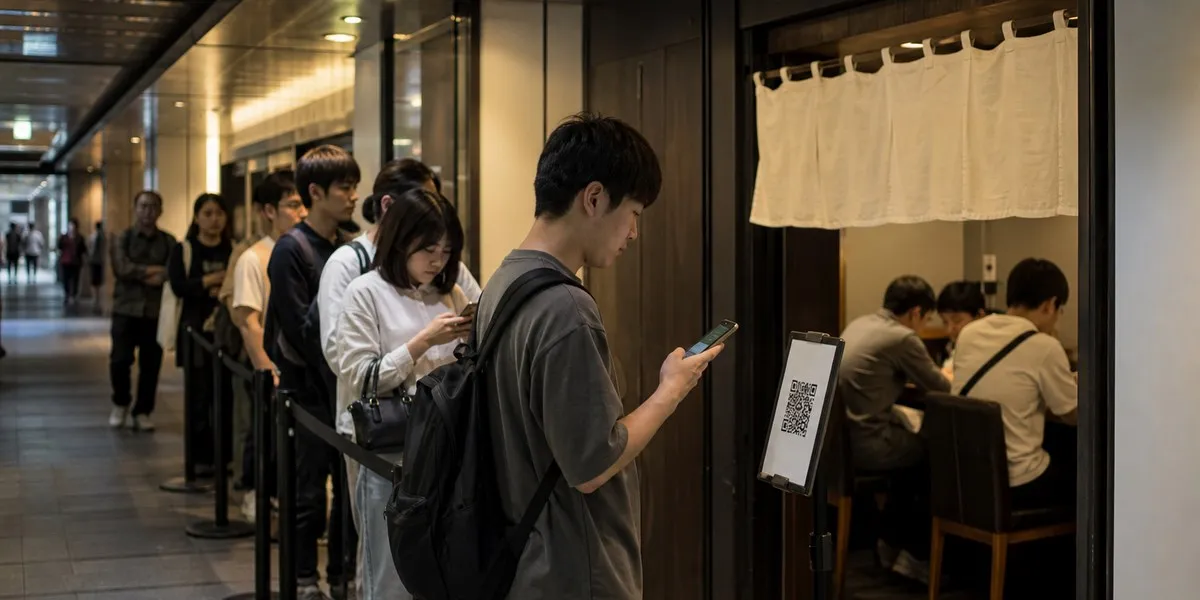
In Japan, restaurants are increasingly introducing paid priority-entry services for visitors who do not want to wait in line. Young people and tourists show the greatest demand for such services, The Japan Times reports.
One such service is SuiSui. As of September 18, it had been introduced at 104 establishments in 20 prefectures of Japan, according to its operator. The service is mainly used by restaurants in central urban areas and tourist locations, where lines often form.
How the service works
Visitors can scan a QR code placed near an establishment with their smartphone and purchase a priority-entry ticket in advance. Its cost depends on the restaurant and usually ranges from 500 to 2,000 yen. The price also changes depending on how busy the establishment is.
A branch of the ramen restaurant chain Butayama in an underground shopping street directly connected to Tokyo Station began using the service in December 2023. During lunch and dinner hours, the wait there can last from 30 minutes to an hour. On weekdays, the fast pass is used at this establishment an average of six times a day.
More current news is available on the UA.News Telegram channel Telegram.
Twenty-nine-year-old company employee Yusuke Takenouchi from Tokyo's Taito district bought a 500-yen ticket with a friend after work. He said he had used the service more than 10 times and values the opportunity not to stand in line, as he considers time more important than the 500 yen spent.
Demand among tourists
The service is also used at tourist locations. The Kyoto Kamosoba Den soba restaurant in Kyoto connected to SuiSui in June 2024, and since then the service there has been used mainly by tourists. On weekends and holidays, the line can exceed two hours; one couple paid 4,000 yen per person for priority entry.
Hideyuki Shibata, manager of the restaurant operator, noted that visitors value the opportunity to finish lunch earlier and use their free time to visit tourist sites. Yutaka Suzuki, a researcher at the Japan Institute of Distribution Economics, linked the popularity of such services among young people to a desire to use time efficiently. In his view, a similar practice may spread to art museums and other places where visitors have to wait for a long time.




