
India has refused to buy Russian LNG due to sanctions — Reuters
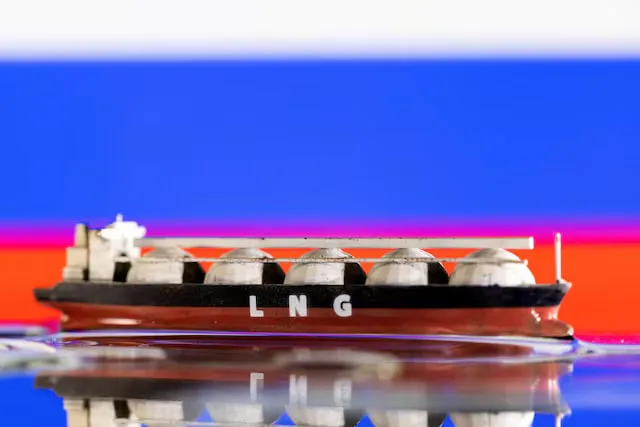
India has rejected Russia’s proposal to purchase liquefied natural gas subject to U.S. sanctions. Despite an energy shortage amid the escalating situation in the Middle East, India decided not to take the risk due to the sanctions.
Reuters reported this, citing two sources familiar with the matter.
According to one of the sources, India’s refusal to accept the LNG ordered back in mid-April from the Russian Portova plant in the Baltic Sea due to U.S. sanctions resulted in the cargo remaining on the ship.
The source added that the vessel was being tracked, despite the fact that, according to documents, the cargo is not Russian.
It is noted that according to April data from the London-based company LSEG, the 138,200-cubic-meter tanker Kunpeng was heading to the terminal in Dahej in western India. According to the latest information from LSEG, the vessel is currently located near Singaporean waters, and its destination has not yet been reported.
India’s stance underscores the delicate balance that the world’s third-largest oil importer and consumer is seeking to strike between securing energy supplies and avoiding sanctioned LNG cargoes, which are difficult to disguise.
The situation also highlights the limitations on Moscow’s ability to redirect LNG exports to new markets.
One source reported that India had informed Russian Deputy Energy Minister Pavel Sorokin of its decision not to purchase sanctioned LNG. The Russian official received this information on April 30 during a visit to India, when he met with local officials, including Minister of Petroleum and Natural Gas Hardeep Singh Puri. According to the source, Sorokin is expected to return to Delhi in June for further talks.
It has become known why India rejected Russian gas – Reuters.
Russia has added four tankers for transporting liquefied natural gas to its “shadow fleet” in an attempt to strengthen its market position ahead of EU restrictions.
The European Union may impose sanctions against individuals and companies suspected of facilitating the transport of grain exported from the temporarily occupied territories of Ukraine to the port of Haifa (Israel).


