
Iran is drafting new regulations for the Strait of Hormuz
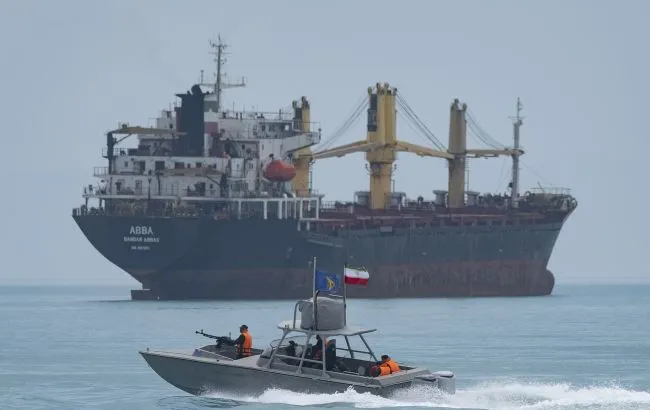
Iran has announced a plan to impose strict controls over the Strait of Hormuz, through which a significant portion of the world’s oil passes. Ships from “hostile countries” may be allowed passage only after paying compensation. This is according to reports in the Iranian media.
Iran is discussing a plan that could significantly change the rules of navigation in one of the world’s most vital maritime arteries—the Strait of Hormuz. The plan is a 12-point initiative that effectively calls for stricter control over ship passage and a new permit system.
Ali Nikzad, First Deputy Speaker of the Iranian Parliament, stated that Israeli ships will be completely banned from passing through the strait. As for other countries that Tehran refers to as “hostile,” a separate system is proposed—access will be granted only after payment of so-called reparations or compensation for damage caused during conflicts.
A specific list of these countries has not been officially announced, but in previous statements, Iranian officials have frequently mentioned the U.S. and certain U.S. allies in the region. For other states, a separate condition is envisaged—the use of the term “Persian Gulf” as the mandatory name in documents and navigation systems. According to preliminary estimates, part of the funds raised is planned to be directed toward the development of military infrastructure, and the rest toward domestic economic and social programs.
Separately, Iranian officials emphasize that control over the strait is of strategic importance to the country. One member of parliament, Mohammadreza Rezaei, compared this initiative to the historic nationalization of the oil industry. “Control of the Strait of Hormuz is more important than acquiring nuclear weapons,” he stated.
In fact, the Strait of Hormuz remains one of the key routes for global oil and gas shipments, so any changes to the rules of passage immediately trigger a reaction from international players. According to reports from the region, the U.S. has already warned that companies and governments that agree to pay Iranian fees may face sanctions pressure.
The situation around the strait remains tense, and the proposed control mechanisms could become yet another factor exacerbating tensions in a region where the interests of several major powers intersect.
The Iranian government has decided to cut oil production due to the U.S. naval blockade in the Strait of Hormuz, which has significantly limited its ability to trade. At the same time, Tehran was prepared in advance for developments under such a scenario.


