
Iran Since 1979: A Timeline of Crises That Shaped the State
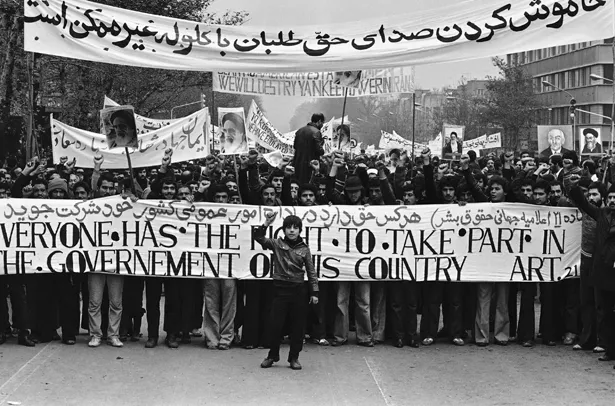
Iran’s current unrest is the latest chapter in a long history of upheaval that began with the 1979 Islamic Revolution. Over more than four decades, the country has endured revolution, war, sanctions, nuclear standoffs and regional conflicts that continue to define its political identity.
1979–1981: Revolution and rupture with the West
The fall of the shah and the creation of an Islamic republic led to the US embassy hostage crisis and the first wave of sanctions, setting the tone for decades of confrontation.
1980–1988: War with Iraq
The Iran-Iraq war killed hundreds of thousands and militarised Iranian society. Chemical weapons and trench warfare left lasting scars on the nation.
1989–1999: Leadership change and regional tension
Following the death of the revolutionary leader, Iran faced earthquakes, renewed sanctions and security threats along its borders.
2000–2010: Nuclear dispute and sanctions
Western focus shifted to Iran’s nuclear programme. UN and US sanctions tightened, while cyber warfare emerged as a new battleground.
2011–2014: Regional wars and economic strain
Iran’s involvement in Syria expanded its regional role but deepened economic hardship at home.
2015–2018: Hope and collapse of the nuclear deal
The nuclear agreement briefly eased isolation before the US withdrawal reinstated severe sanctions.
2020–2024: Assassinations and instability
High-profile killings, foreign strikes and the death of a sitting president heightened domestic and regional tensions.
2025: War with Israel
A direct 12-day war with Israel marked a dramatic escalation, killing hundreds and pushing the region closer to wider conflict.
Iran’s post-1979 history shows a state shaped by constant crisis — a pattern that continues to influence its future and its relationship with the world.
