
Iran, the West and oil ambitions: how history shapes today's conflicts
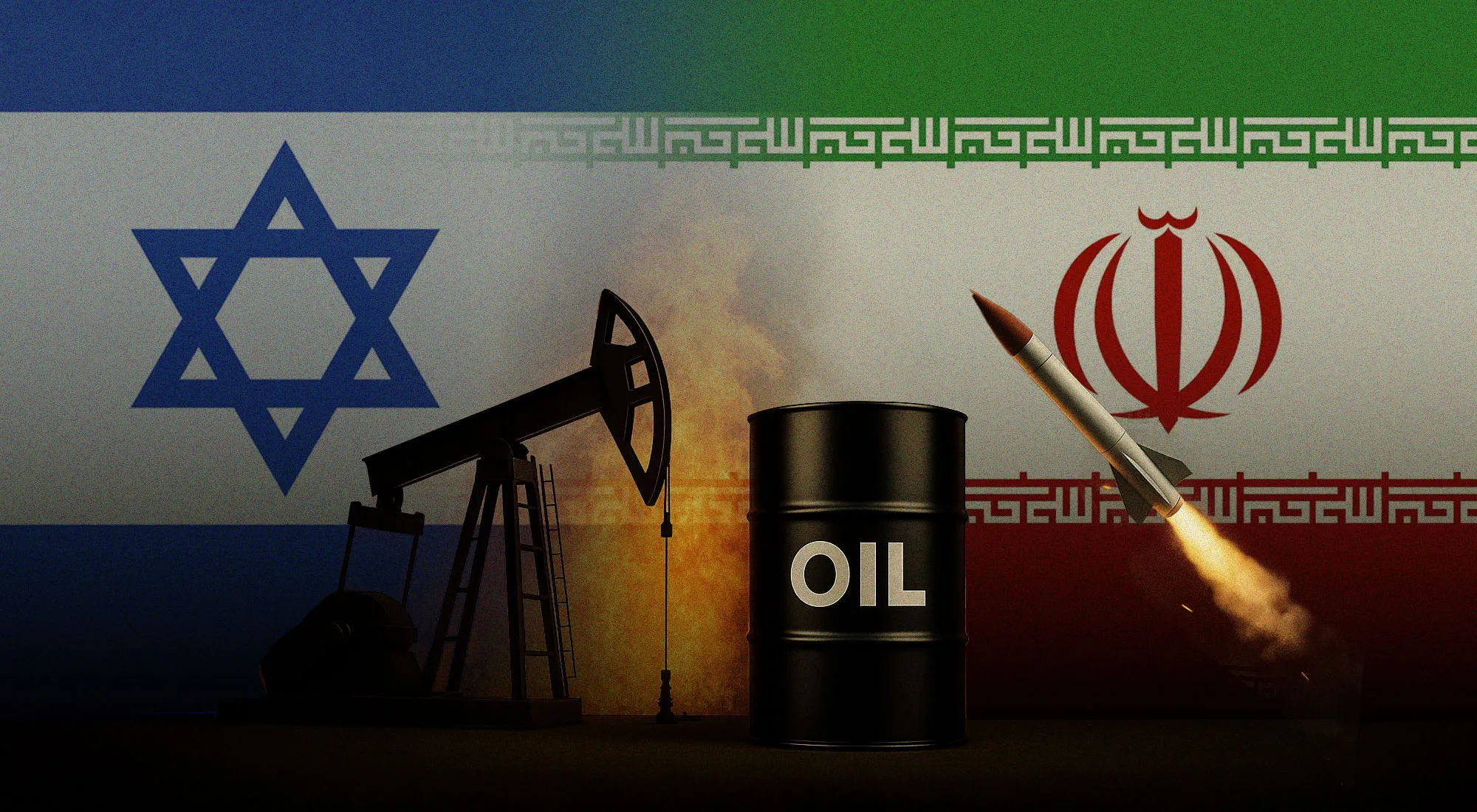
Iran became a "Western enemy" largely because of Western actions, notably the 1953 CIA-backed coup against the popular democratic government of Mohammad Mosaddegh, organised with the support of Winston Churchill's British government to retain control of oil resources. This decision ignited a chain of prolonged conflicts still unfolding today.
In 1954, the Anglo-Iranian Oil Company was renamed British Petroleum (BP). However, the regime of Shah Mohammad Reza Pahlavi, reinstated with US and British support, was eventually toppled by the Islamic revolution, and BP lost its influence in Iran. Western powers, especially Britain, now seek through war to regain at least a shadow of their former control over Iran’s oil.
This history illustrates how external intervention, driven by greed for energy resources, results in prolonged geopolitical instability in the Middle East region.
British Petroleum, founded in 1908 as the Anglo-Persian Oil Company, is one of the world's largest oil firms focused on exploration, extraction, and the sale of oil and gas, holding significant influence in global energy markets.
Given these historical realities, Western oil extraction policy is likely to remain fraught, with conflicts over control of Iran possibly escalating.
The outlook suggests a need for an honest dialogue on the role of energy resources in international politics to prevent further tragedies.
