
Kim Jong Un has been re-elected as chairman of the DPRK State Commission — Reuters
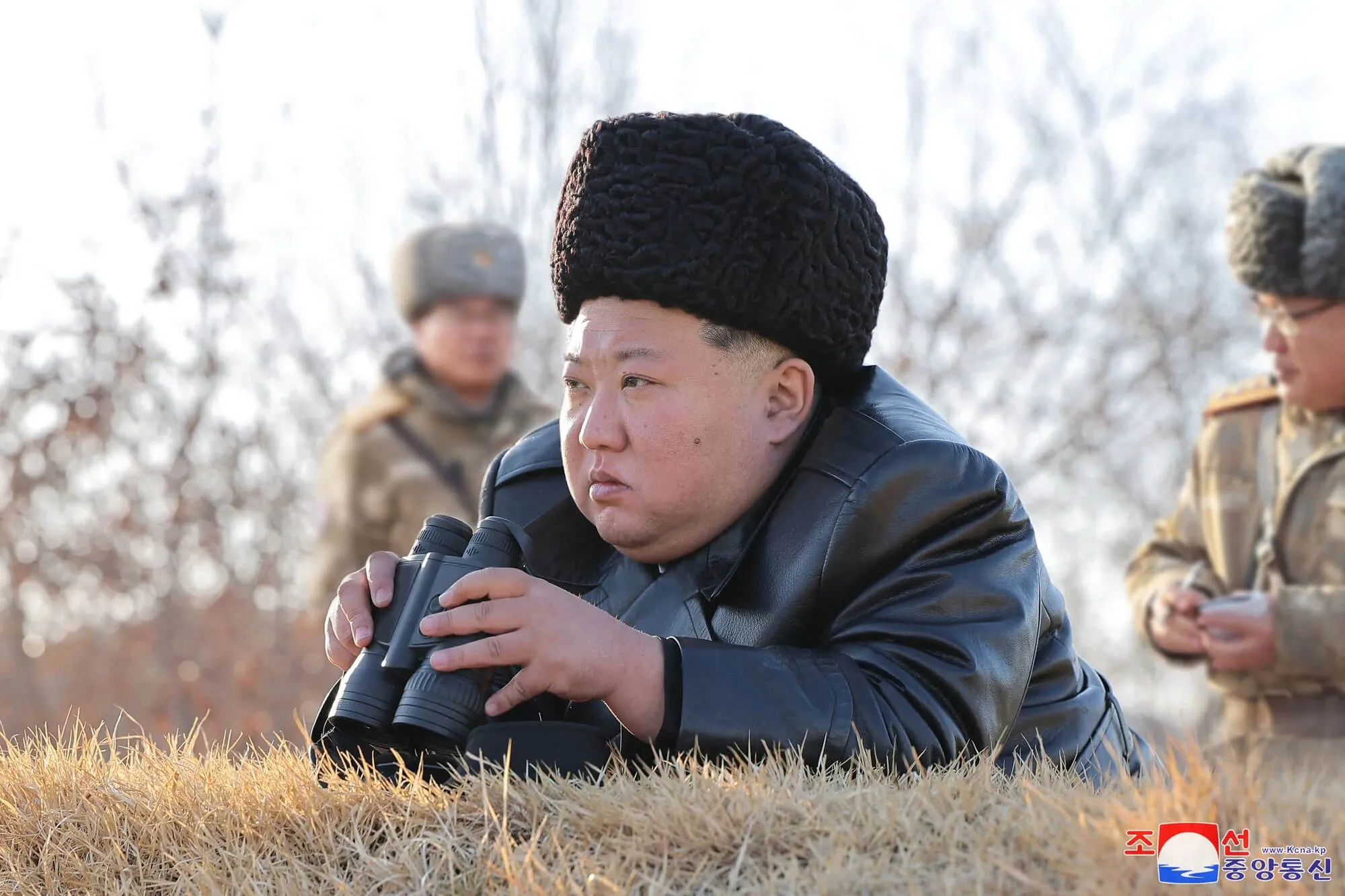
North Korea's Supreme People's Assembly has officially reappointed Kim Jong Un as chairman of the State Affairs Commission—the country's highest governing body.
This was reported by Reuters.
The decision was made during the first session of the new parliament, which traditionally enshrines the will of the ruling Workers’ Party in law.
It is expected that during the current session in Pyongyang, deputies will consider sweeping amendments to the socialist constitution.
International analysts are focusing primarily on the possible formalization of South Korea’s status as the “number one hostile state.”
One of the most discussed developments of the session was the absence of the leader’s influential sister, Kim Yo-jong, from the new composition of the State Affairs Commission.
She had served on this body since 2021 and was considered one of the key figures in the DPRK’s governance system.
South Korea’s Ministry of Unification has already begun analyzing the reasons behind these changes in the North’s top leadership.
While official Seoul is sorting out the details, experts are urging caution in drawing conclusions about the dictator’s sister’s fall from grace.
According to Professor Lim Il-chul of Kenan University, this is not a matter of a loss of influence, but rather a shift in priorities within the state hierarchy.
He suggests that Kim Yo-jong will focus on party work, where she already holds the position of director of the Workers’ Party department.
“Her absence does not indicate a decline in status, but rather a strategic division of roles,” the analyst noted, adding that she continues to coordinate key policy areas of the regime.
The DPRK Parliament intends to formally revise the constitution to adapt it to Kim Jong Un’s new foreign policy doctrine.
This involves a definitive rejection of the idea of peaceful reunification of the peninsula, which for decades has been Pyongyang’s stated goal.
The new version of the constitution is intended to enshrine the concept of “two hostile states,” effectively giving the regime free rein to further escalate tensions. This decision reflects a radical shift in the DPRK’s strategy toward South Korea and the United States.
In addition to political issues, the Supreme People’s Assembly will discuss the implementation of the country’s five-year economic plan. Amid international sanctions, Pyongyang is attempting to demonstrate stability and self-sufficiency.
As a reminder, South Korea has completed the deployment of satellites to monitor North Korea.
Russia may also have assisted the DPRK with a nuclear submarine.
