
Iran May Be Allowed to Control the Strait of Hormuz Under a Deal With the U.S. — Reuters
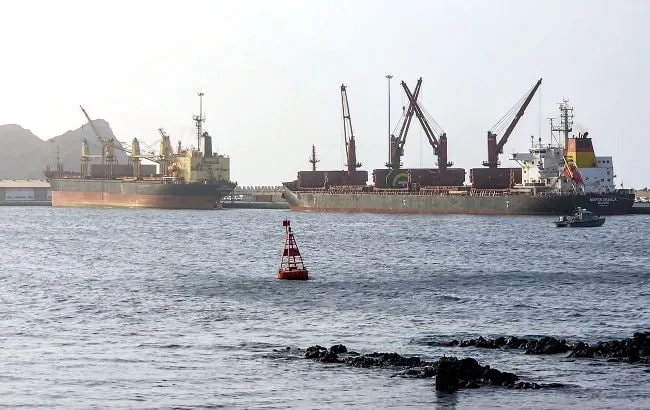
Iran may secure a significant concession regarding control of the Strait of Hormuz as part of a potential peace agreement with the United States. According to Reuters, the parties are discussing an option that would grant Tehran partial influence over one of the world’s most critical maritime routes.
These are arrangements that could become part of a broader agreement between Iran and the United States. Details of the negotiations have not yet been disclosed, but the issue of the Strait of Hormuz’s status remains one of the key points.
A significant portion of the world’s oil supplies passes through this strait, so any changes in control over it could have consequences for international trade and energy markets.
Iran Will Gain Control of Inbound Traffic Through the Strait of Hormuz
The proposed agreement between Iran and Oman would give Tehran control over ships entering the Persian Gulf through the Strait of Hormuz.
However, sources have refuted U.S. President Donald Trump’s claims that “an agreement to restore shipping through the strait is inevitable.” They stated that important details still need to be worked out.
“A concession has already been made regarding a certain form of control over the Strait of Hormuz,” a regional source told Reuters.
According to a high-ranking Iranian official, Iran sought to impose a fee ranging from 5% to 7% of the value of cargo on ships passing through the Strait of Hormuz. Oman proposed a lower fee—around 3%.
Another source says that Gulf negotiators are insisting on ship inspections by regional countries and voluntary contributions for passage through the Strait of Hormuz.
What About the Peace Agreement?
A high-ranking Iranian source stated that the current text of the agreement provides for Iranian control over ships traveling to the Persian Gulf via the Strait of Hormuz. However, there is no agreement on Iran’s role regarding ships traveling in the opposite direction.
U.S. officials, on the other hand, have repeatedly insisted that they will never accept any agreement granting Iran control over the Strait of Hormuz.
Although there are no direct talks between Tehran and Washington, Iran is negotiating with Oman, which controls the opposite shore of the Strait of Hormuz. Last week, Iran rejected a preliminary proposal from Oman, calling it insufficient.
Oil Prices
Oil prices rose on August 5 after Yemen’s Houthis claimed to have fired on a tanker flying the Saudi Arabian flag in the Red Sea.
Global crude oil prices remain near their lowest levels since early July. They have fallen sharply over the past two days after Trump called off new attacks on Iran.
Making any shipping fees in the Strait of Hormuz voluntary could be a way out of the impasse. However, the implicit threat of Iranian attacks means that shippers are unlikely to risk transit without paying, the publication notes.
This is reported by Reuters.
A Chinese prophet has stated that the U.S. will not defeat Iran.
Trump threatened Iran with total surrender over its nuclear program.
As a reminder, on August 2, U.S. President Donald Trump stated that the U.S. military would not launch new strikes against Iran if Washington and Tehran reach an agreement in the near future.
Tehran has threatened to strike the energy infrastructure of other countries if the U.S. carries out new attacks. Officials in Tehran stated that the response would be directed not only against U.S. interests but also against countries that support potential military action.
The United States and Israel are holding consultations on possibly increasing pressure on Iran, in particular by blocking its land borders. This scenario is being considered as part of broader measures to limit Tehran’s capabilities.


