
Western Australia prepares plan for accident involving an AUKUS nuclear vessel
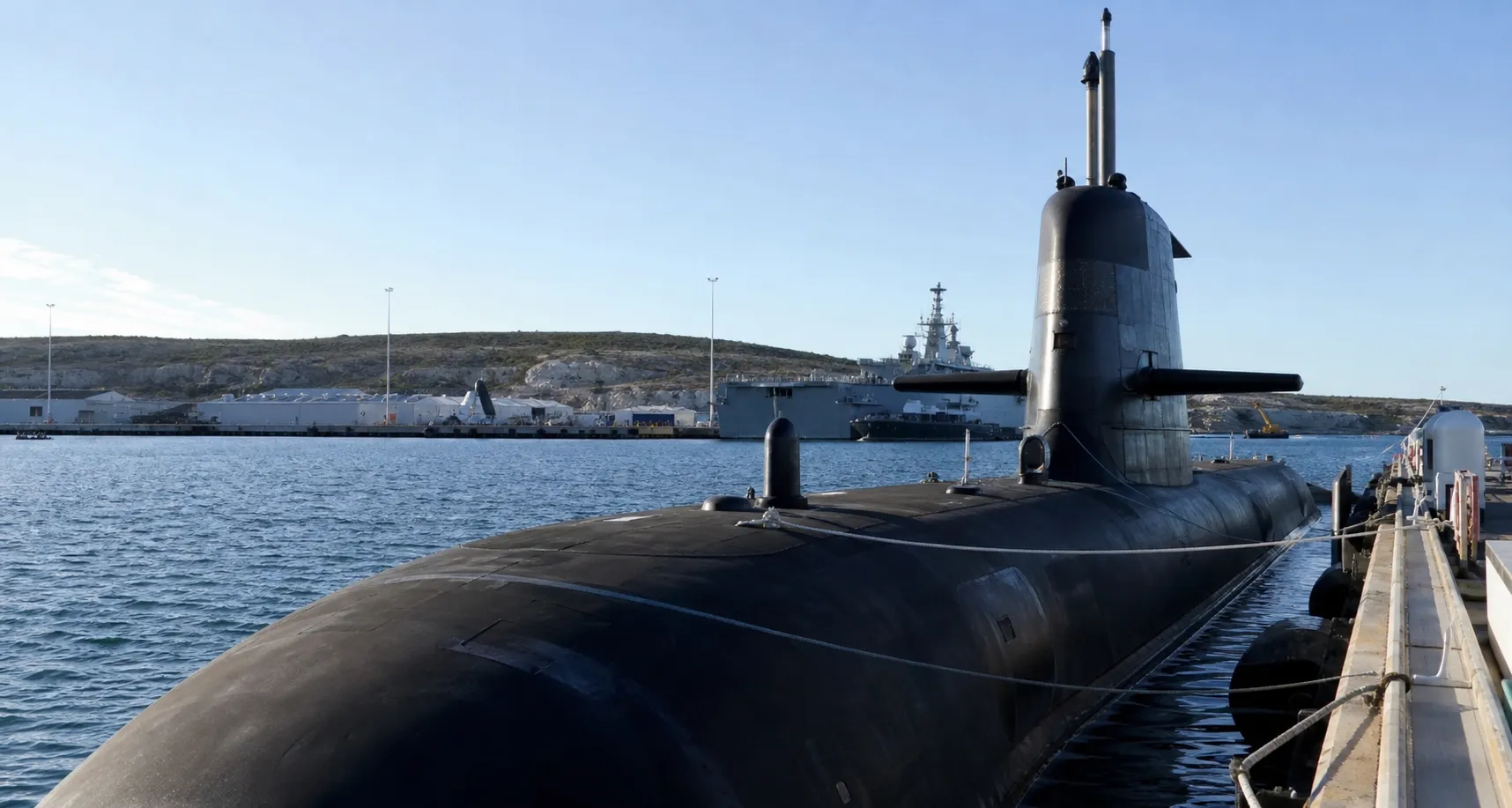
Western Australia’s emergency services have developed a response plan for the unlikely event of an accident involving a leak of radioactive substances from the reactor of a nuclear submarine or warship. In a worst-case scenario, people could be advised to shelter in place, evacuate, or be given iodine tablets, ABC News Australia reports.
Measures in the event of a leak
The plan provides for local, national and international coordination in the event of gamma radiation spreading or radioactive iodine leaking during a reactor accident in the Perth area. It covers the HMAS Stirling naval base near Rockingham, the Henderson defence industrial area, the Port of Fremantle, as well as Albany.
The document considers a hypothetical release of radioactive materials from the reactor core. In an extremely rare worst-case scenario, a radioactive plume could potentially contaminate vegetables from local gardens or milk from cows grazing several kilometres downwind.
The Department of Health already has a plan to distribute stocks of iodine tablets to local hospitals if needed. The Australian Radiation Protection and Nuclear Safety Agency, ARPANSA, is to coordinate the response to any radiological or nuclear emergency.
More current news is available on the UA.News Telegram channel Telegram.
Likelihood of an accident
The plan, published last week, reviews safety standards and response mechanisms amid an increase in the rotation of nuclear submarines under AUKUS. The document estimates the probability of a catastrophic reactor failure at one case per 10 million vessel-years.
ARPANSA said that the likelihood of an incident involving a nuclear vessel is “extremely low.” At the same time, the agency stressed that response plans must be ready and strict controls must be in place before such a vessel enters port in order to prevent a harmful release of radioactive substances into the environment.
The plan states that the reactor core on nuclear warships is designed in such a way that its explosion is physically impossible. A significant release of fuel fission products is possible only in an accident severe enough to melt the fuel. Australian National University nuclear physicist Tony Irwin noted that reactors of this type have several safety barriers.


