
Spain proposes EU climate fund funded by taxes on oil and gas companies
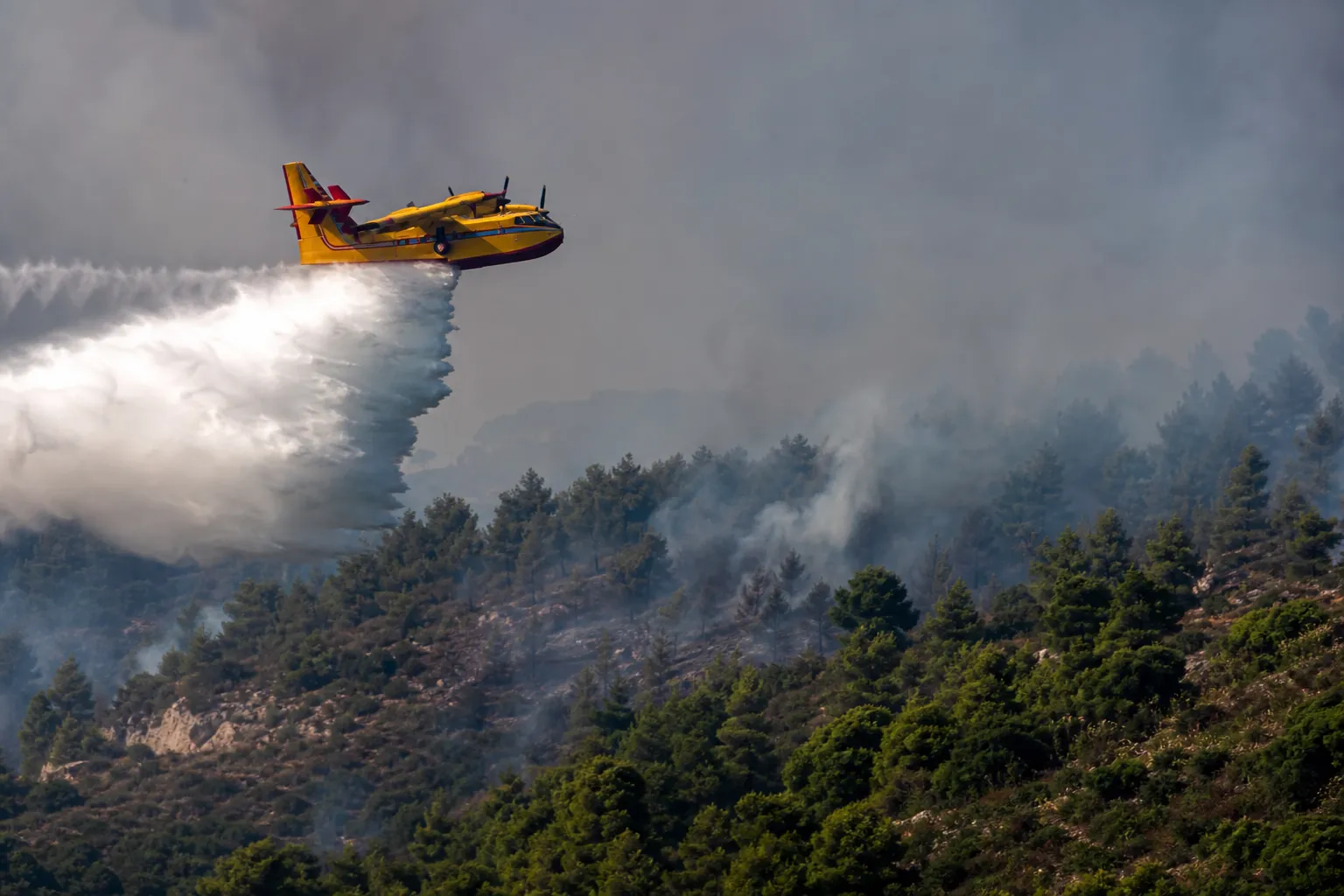
Spain has proposed that the European Union create a permanent climate change adaptation fund, partly financed by taxes on the profits of oil and gas companies and luxury air travel.
Spain’s Ministry for Ecological Transition sent the proposal to European Commissioner for Climate Wopke Hoekstra ahead of the presentation of the European Commission’s comprehensive climate resilience framework programme, expected this autumn, Anadolu Agency reports.
Response system and financing
Madrid proposes creating a permanent EU response system for climate emergencies. It is intended to reform existing mechanisms by ensuring a fully integrated capacity that can be rapidly deployed and supported by greater shared resources.
Such resources could include a dedicated European aerial fleet for fighting forest fires. The Spanish government also proposed introducing “innovative mechanisms” for raising funds, including a possible tax on luxury air travel and a permanent EU tax on the profits of the oil and gas sector.
The document also provides for the possibility of issuing joint European debt to reduce the funding gap for climate adaptation measures.
More current news is available on the UA.News Telegram channel Telegram.
Losses from extreme weather
According to the document, EU states lost around €208 billion due to extreme weather and climate change-related events in 2021–2024.
The proposal came after summer heatwaves, droughts and forest fires in parts of Europe. Spain, according to the source, experienced its hottest summer on record, while high temperatures were linked to more than 5,000 deaths.
In a letter to Hoekstra, Minister for Ecological Transition Sara Aagesen stressed that Europe is warming about twice as fast as the global average. According to El Pais, cited by Anadolu Agency, she said: “We cannot continue simply tallying up the losses. It is time to anticipate them.”
Spain also called for binding EU climate adaptation targets, the systematic consideration of climate risks in infrastructure, investment and planning, and the creation of a European public-private reinsurance system to distribute climate risks among member states.


