
Bosa’s Johannesburg mayoral candidate presents city recovery plan in South Africa
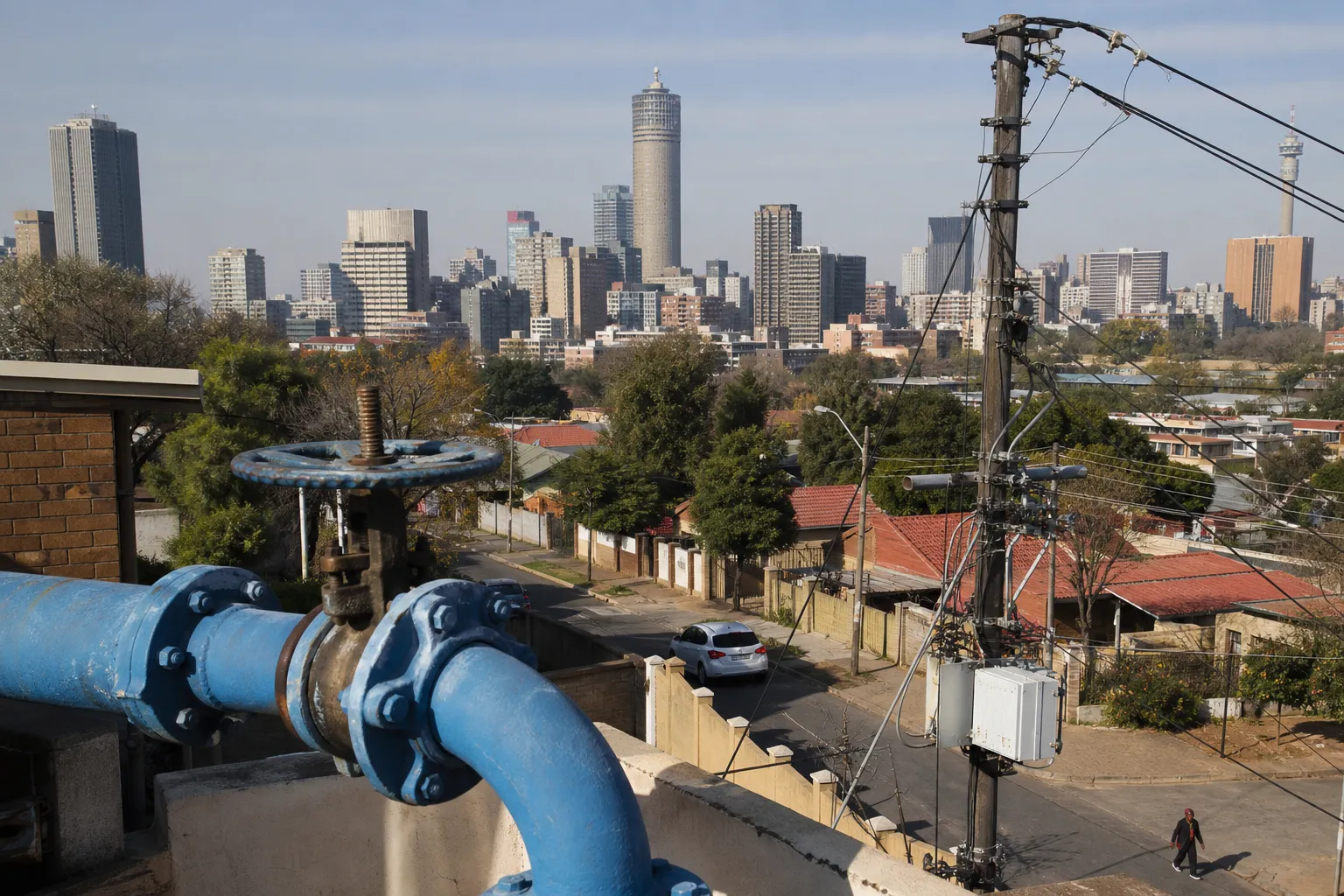
Build One South Africa (Bosa) candidate for mayor of Johannesburg, South Africa, Nobuntu Hlazo-Webster, has presented a plan to restore urban infrastructure and water and electricity supply systems. The Bosa deputy leader proposes increasing infrastructure investment, reviewing the work of municipal entities and strengthening oversight of city revenues, Daily Maverick reports.
According to Hlazo-Webster, Johannesburg spends about 10% of its budget on infrastructure, while she believes the figure should be at least 30% for the city to function properly. She also proposes reviewing the functions of 13 municipal entities, each with its own bureaucracy and management. The candidate believes that some of their functions should be returned to the responsibility of the mayor and city council.
Infrastructure and revenue
Among her priorities, Hlazo-Webster named correcting inaccuracies in municipal service bills, improving payment collection and monitoring the targeted use of funds. According to her, government institutions are the city’s largest debtors. She proposes securing payment of their bills and introducing accountability for non-payment.
The candidate also wants to make doing business in Johannesburg easier for entrepreneurs and informal traders. She said it is necessary to integrate townships into the city’s mainstream economy and develop infrastructure there.
More current news is available on the UA.News Telegram channel Telegram.
Electricity and water
In the energy sector, Hlazo-Webster links a significant share of power supply disruptions to ageing equipment. She claims that 60% of outages are caused by this issue. Her plan provides for earmarking revenue from electricity tariffs, increasing scheduled maintenance and upgrading infrastructure. Separately, she proposes updating the register of low-income residents to distinguish people who need support from non-payers.
For the water supply system, Hlazo-Webster proposes an area-by-area programme to replace pumps, pipes and reservoirs where failures recur. In the first 100 days, she plans to identify the worst water supply areas, assess the condition of their infrastructure, fund repairs and create an information dashboard accessible to residents.
The upcoming local elections in South Africa are taking place amid a growing number of political parties. The country’s Electoral Commission said that 546 parties will take part, compared with 323 in 2021. In Johannesburg, a record 80 parties will compete for seats under the proportional system, while the city has changed 11 mayors over the past 10 years.


