
Cape Town plans to relocate two baboon troops to a sanctuary — The Guardian
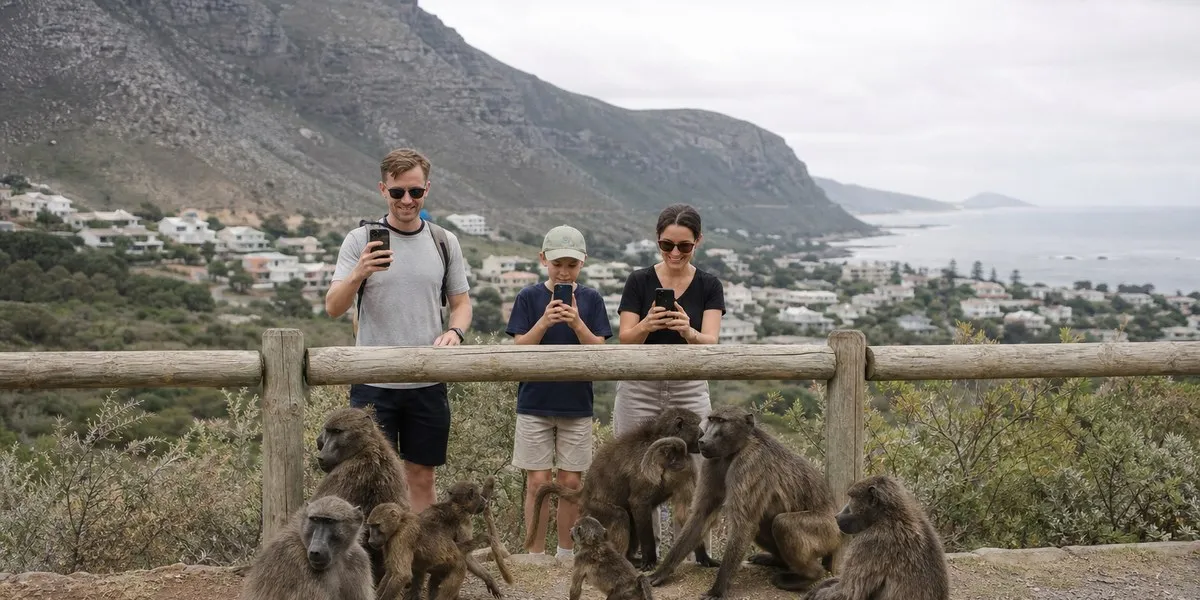
In Cape Town, South Africa, the city council plans to soon capture two troops of chacma baboons that have repeatedly come into conflict with residents. The animals will be sterilized and permanently moved to a newly built sanctuary, The Guardian reports.
The plan concerns the Waterfall and Seaforth troops on the Cape Peninsula. According to the publication, the baboons tear off roofing sheets, enter unlocked cars and homes in search of food, and also go into shops. Authorities also plan to install a baboon-proof fence along the northern boundary between built-up areas and the adjacent mountains.
Population growth
The problem has intensified over the past two years. A 2025 census showed that since 2000, the number of baboons has increased by a third, from 360 to 493 individuals. The animals currently live in 12 troops overseen by relevant services.
More current news is available on the UA.News Telegram channel Telegram.
University of Cape Town behavioral ecologist Justin O’Riain, who has long studied local baboons, said their presence has affected property prices. According to him, residents find it difficult to sell homes if the animals leave traces and droppings on the property every day.
Dispute over relocation
Animal rights activists oppose the capture and transfer of the animals and have been holding peaceful protests for several months. They and some scientists propose installing a fence to restrict the movements of the Waterfall and Seaforth troops rather than removing them from their habitat. In the view of opponents of the plan, relocation could cause prolonged psychological stress and disrupt social bonds within the troops.
Jocelyn Mormile, head of the nonprofit Cape Baboon Partnership, explained that baboons seek lowland areas, where water and more productive vegetation are easier to find. At the same time, most such areas on the Cape Peninsula have already been developed. Cape Town’s baboon population management program costs about 20 million rand over 18 months, and rangers constantly monitor most troops.




