
China prepares to build sixth research station in Antarctica — ABC News Australia
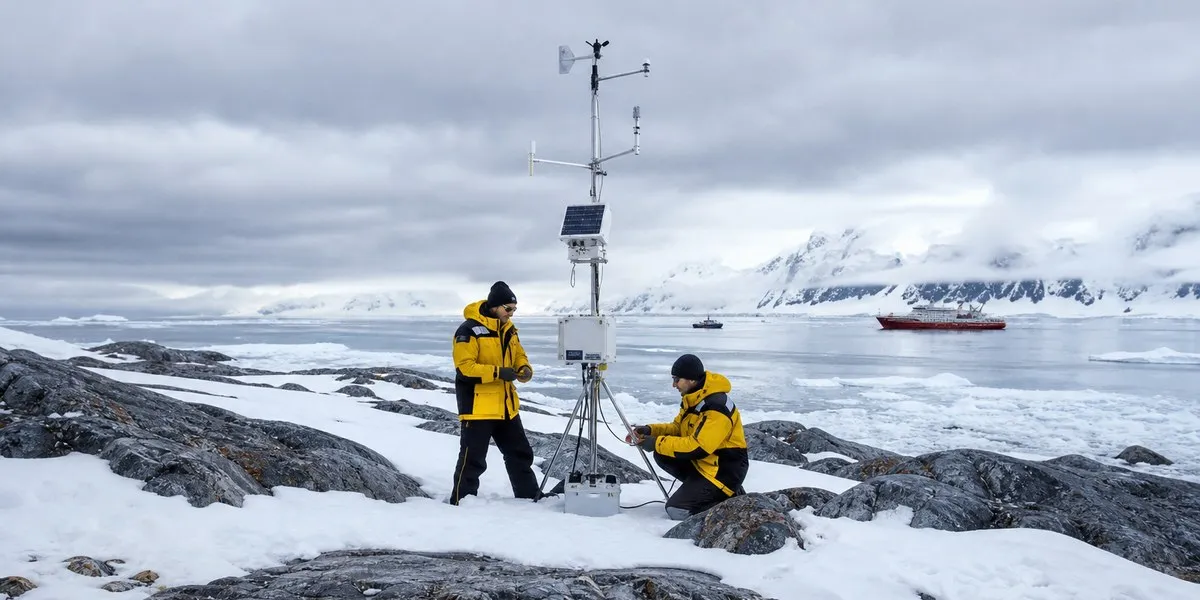
China is preparing to build a sixth research station in Antarctica next year, in the little-studied Marie Byrd Land in the western part of the continent. Beijing says the facility is intended for research into climate change, ice sheets and marine systems, ABC News Australia reports.
The project has raised concerns among some Australian politicians and experts, who point to the possible strengthening of China's influence in Antarctic institutions. Independent Senator Jacqui Lambie urged Australia's Department of Defence to pay attention to the expansion of China's presence on the continent.
Science and strategic presence
Jieliang Chen, a lecturer in Antarctic law and governance at the University of Tasmania, considers the construction of the station primarily a matter of prestige and a way to strengthen China's role in future decisions concerning Antarctica. The new station is being developed in accordance with the environmental assessment procedures of the Antarctic Treaty System, and treaty parties do not have the right to veto such projects.
The Antarctic Treaty, signed by 12 countries in 1959, provides for the peaceful use of the continent and environmental protection. It prohibits military bases, weapons and new territorial claims, but allows the use of military personnel and equipment for peaceful purposes.
More current news is available on the UA.News Telegram channel Telegram.
Experts note that satellite systems, communications equipment, aircraft and drones can be used both in civilian research and for military purposes. Elizabeth Buchanan, a senior fellow at the Australian Strategic Policy Institute, links the risks to China's ground-based satellite stations and the PRC's policy of military-civil integration.
Seasonal base and disputes over krill
Tony Press, former head of the Australian Antarctic Division, considers concerns about mineral extraction or military use to be exaggerated because of the complexity and high cost of operating in Antarctica. According to him, unlike China's year-round Qinling station, opened in 2024, the new base will operate only in summer.
A separate source of tension is China's position on marine protected areas and Antarctic krill fishing. China has generally opposed the creation of new protected zones. Researchers at the British Antarctic Survey reported that nearly half of the 60 emperor penguin colonies have experienced more frequent or complete reproductive failure since 2016 due to declining sea ice. Proposals to grant emperor penguins specially protected species status in the Commission for the Conservation of Antarctic Marine Living Resources were blocked by China and Russia.
China and Norway are seeking a substantial increase in the current krill catch limit, as krill is an important food source for penguins and whales. Experts indicate that disputes over fishing and the creation of marine protected areas have intensified mutual distrust among participants in Antarctic governance.




