
China has threatened the EU with retaliatory measures over the "Made in Europe" law
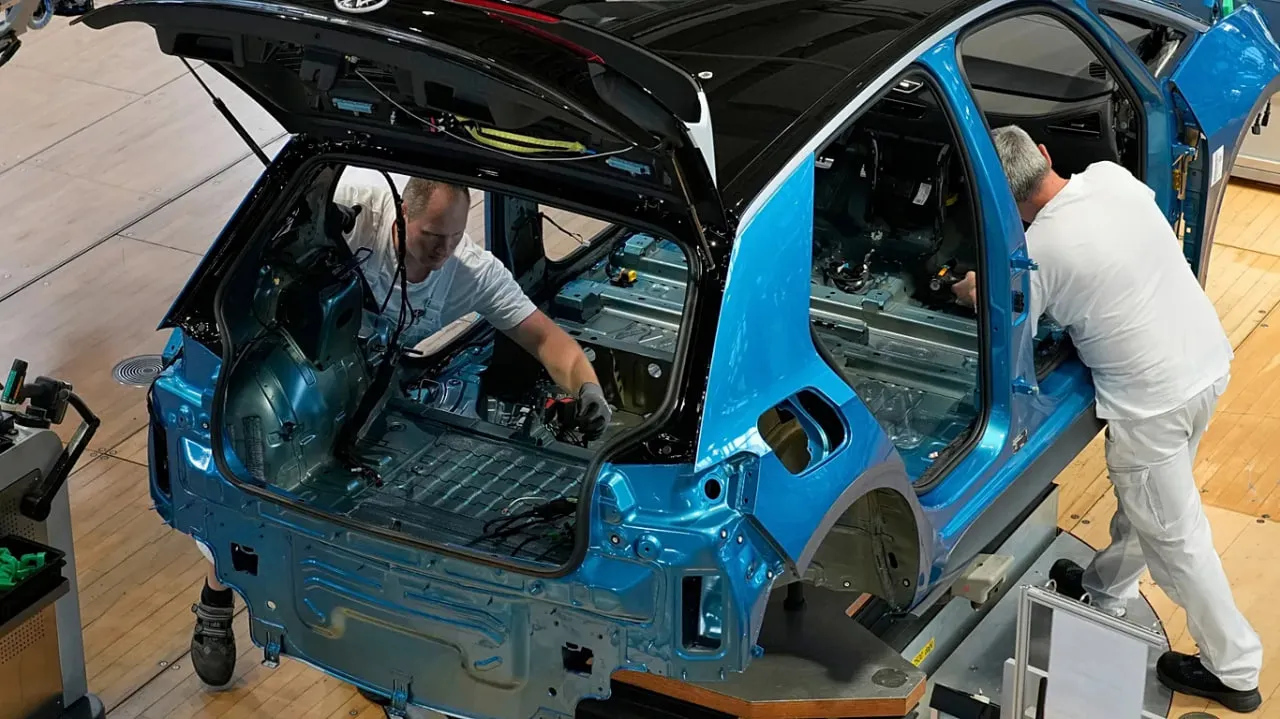
China has spoken out against the new European "Made in Europe" law and called on EU countries to reject it or substantially revise the legislation. Beijing believes that the new rules are discriminatory and could harm Chinese manufacturers.
This was reported by Euronews.
The Chinese side has officially warned the European Union of possible retaliatory measures if the law comes into force in its current form. In particular, Beijing does not rule out the introduction of mirror restrictions, sanctions, and other instruments of economic pressure.
China emphasizes that the new law could create unequal conditions for international companies and complicate access for foreign products to the European market.
"Chinese embassies in EU member states have conveyed China’s comments and proposals to the governments of the countries where they are located," said Suo Peng, Minister of Commerce and Economy at the Chinese Mission in Brussels.
The diplomat stressed that China does not intend to stand idly by. Beijing is preparing a countermeasure. He added that if the EU “insists on this punishment and discriminates against Chinese companies,” Beijing will be forced to respond with countermeasures.
What the "Made in Europe" law entails
The European Union seeks to protect its market, and the new project, presented in March, is called the Industrial Accelerator Act. Its goal is to give priority to European goods in strategic sectors.
This applies to public procurement in the following sectors:
- automobile manufacturing (particularly electric vehicles);
- "green" technologies and renewable energy;
- the steel and aluminum industries.
Brussels also plans to establish strict controls on foreign investment. Any investment exceeding 100 million euros will be subject to special scrutiny. This applies to the production of batteries, solar panels, and the extraction of critical raw materials.
Strict conditions for major market players
Beijing is most outraged by the rules for market leaders. If a company from a single country controls more than 40% of the global market in a particular sector, the EU will issue an ultimatum.
Such manufacturers will be required to:
- establish joint ventures exclusively with European partners;
- fully transfer their technologies to the European side;
- ensure that at least 50% of their workforce consists of EU citizens.
Chinese Minister Suo Peng accused Brussels of “double standards.” He recalled a 2018 statement in which the EU, along with the US and Japan, opposed forced technology transfers. Now, according to Beijing, Europe is doing the same thing.
Division within the European Union: who is “for” and who is “against”
There is no unity in Brussels yet, and EU member states have differing views on the conflict with Beijing. France advocates for the strictest possible rules. Paris wants to protect local manufacturers at any cost.
Germany is taking a more cautious approach. Berlin is calling for cooperation with “like-minded” countries, fearing it might lose access to Chinese innovations and the market.
Some countries fear a spike in prices. Strict rules could make production more expensive.
The EU is currently insisting on the principle of reciprocity. The European market will be opened only to those who allow European firms into their own markets. China does not yet have such an agreement with the EU, but has stated its readiness to negotiate. Beijing is demanding a response from Brussels “as soon as possible.”
China has seen a record increase in solar panel exports amid the US-Iran conflict.
As a reminder, global oil prices fell on Wednesday after several days of growth. Investors are assessing the consequences of the United Arab Emirates’ unexpected decision to leave OPEC, against which risks of supply disruptions due to the war with Iran persist.
U.S. President Donald Trump, along with his national security team, has reacted cautiously to Iran’s new peace initiative, which calls for the partial reopening of the Strait of Hormuz and the postponement of discussions on Tehran’s nuclear program.
