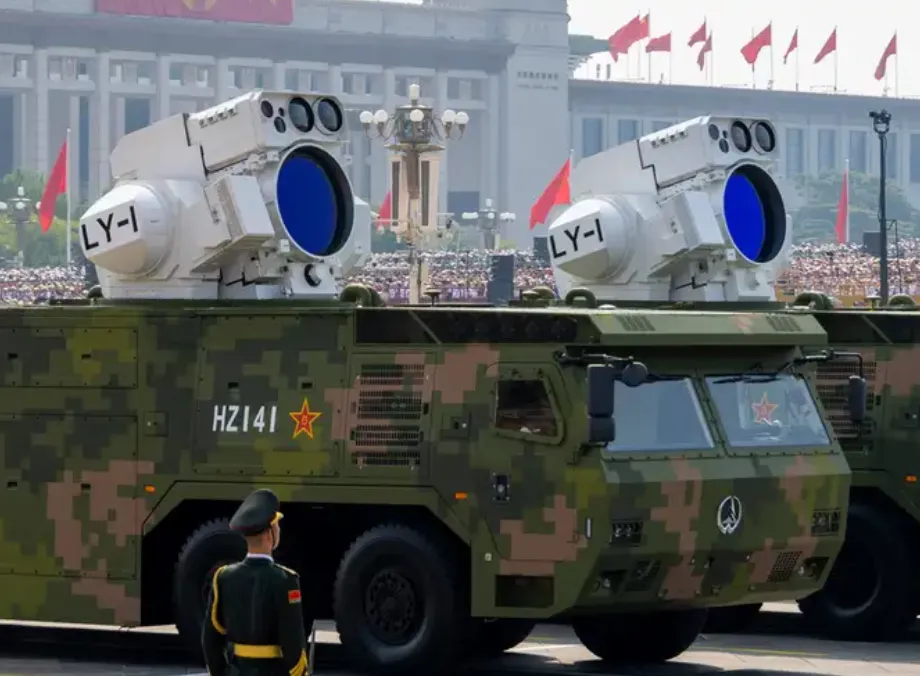
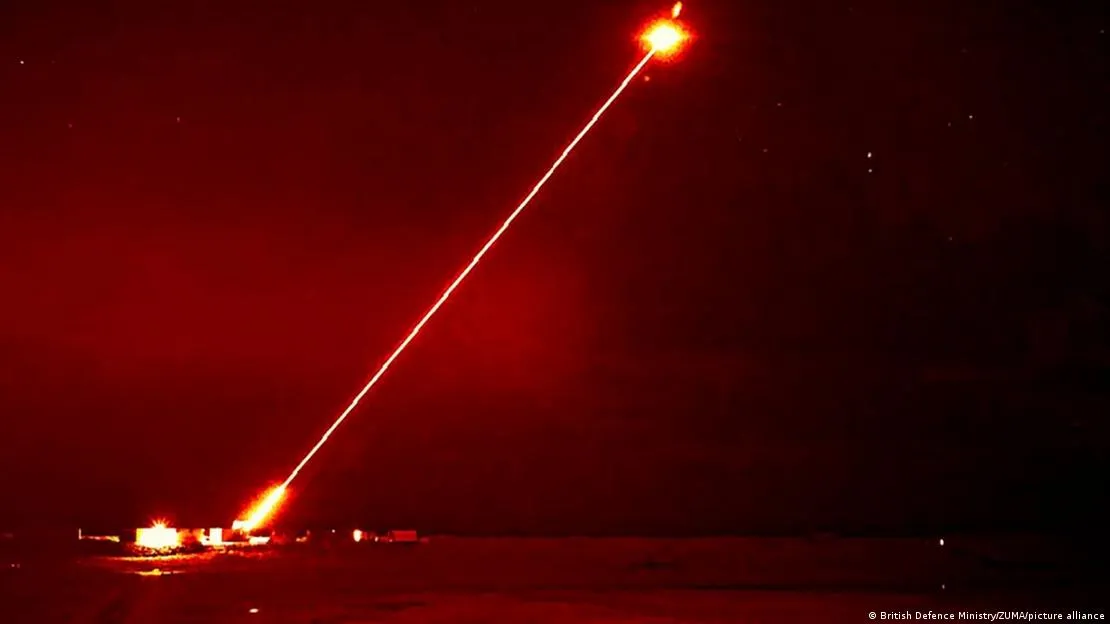
Laser weapons are rapidly transitioning from experimental technologies to actual air defense systems, and China, the United States, and Israel are intensifying their competition for leadership in this field.
The growing demand for laser systems is primarily linked to the proliferation of combat drones, which have become a cheap and widespread tool of war. Against this backdrop, Gulf countries are actively seeking new ways to defend against potential attacks, particularly from Iran.
According to the publication, the United Arab Emirates has already received the Israeli “Iron Beam” laser system and is also considering purchasing American and Chinese designs. Saudi Arabia is also testing Chinese laser systems, while Oman and Qatar are exploring the possibility of acquiring similar weapons.
Experts note that laser weapons are attractive due to their relatively low cost of operation—a single shot can cost just a few dollars, whereas intercepting drones with conventional missiles costs hundreds of thousands or even millions.
At the same time, analysts caution that lasers are not a universal solution. Their effectiveness depends on weather conditions, range, and the ability to hold the target long enough to destroy it.
According to experts, laser weapons will be most effective as part of a multi-layered air defense system, rather than as a standalone defense tool.
A new laser system designed to counter enemy drones has been developed in Ukraine. The upgraded “Trizub” system operates as a mobile trailer-mounted unit and is currently undergoing final testing prior to its official presentation.