
Chinese researchers report method for extracting uranium from seawater
Researchers at the Chinese Academy of Sciences in Qingdao have developed the PhosCage material for extracting uranium from seawater. According to the South China Morning Post, in tests using natural seawater samples, the material made it possible to obtain up to 50.4 milligrams of uranium per gram of adsorbent.
Phosphate chemical traps
PhosCage has a sponge-like molecular structure filled with phosphate groups. They act as chemical traps for uranium. The reported extraction rate is more than eight times higher than the target level of 6 milligrams per gram set by the US Department of Energy.
The development was created by a team at the Qingdao Institute of Bioenergy and Bioprocess Technology of the Chinese Academy of Sciences. The researchers said that the work offers a new approach to extracting uranium from seawater and provides a basis for adsorbents with a higher capacity to capture this element.
More current news is available on the UA.News Telegram channel Telegram.
Tests in pellet form
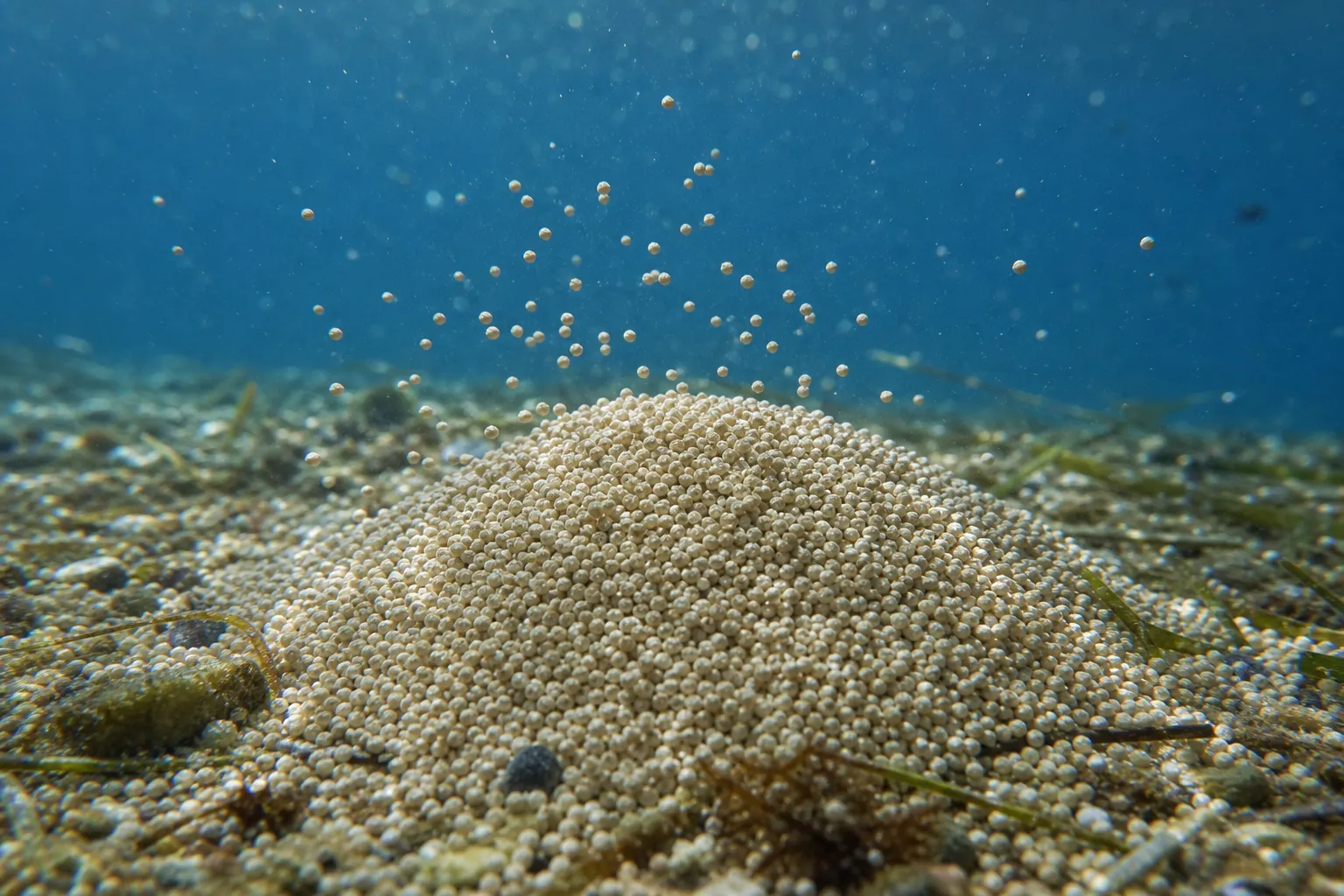
The scientists also converted PhosCage into millimeter-sized pellets, which, they said, are easier to deploy and retrieve in the open ocean. Such pellets extracted 22.55 milligrams of uranium per gram of adsorbent and retained their performance over seven reuse cycles.
The technology may be important for China, which has significant uranium reserves but consumes more of it than it extracts amid the expansion of nuclear energy use.


