
Columnist calls Celtic alliance unprecedented — The Guardian
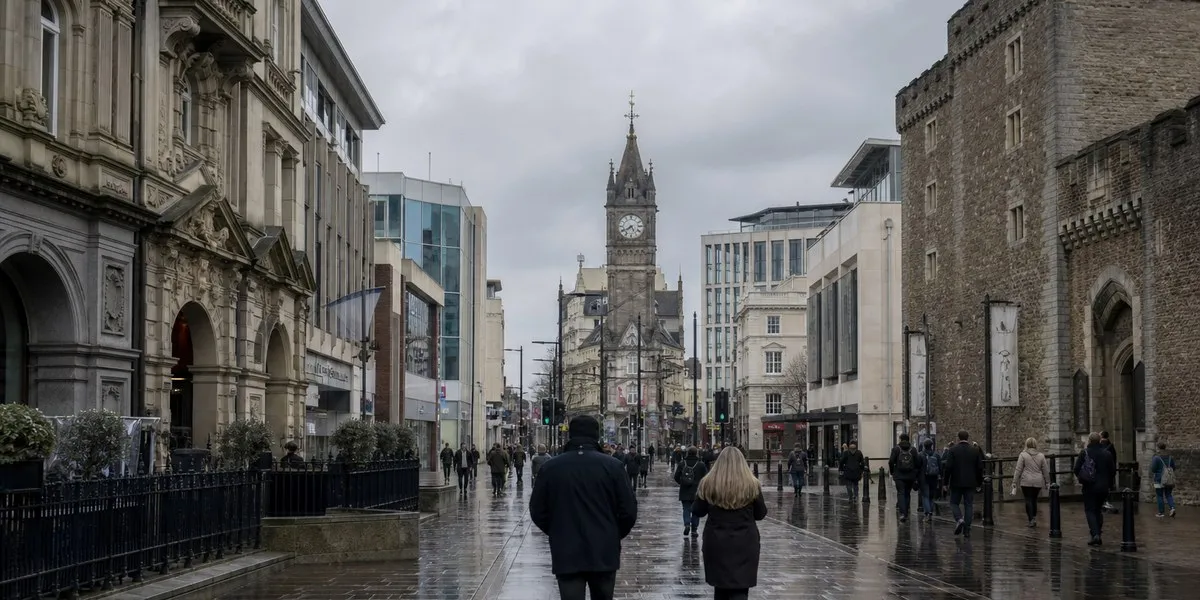
In Cardiff, United Kingdom, Scotland, Wales and Northern Ireland jointly demanded an opportunity to vote on the dissolution of the United Kingdom, writes The Guardian columnist Simon Jenkins. In his view, this is the first time that three of the kingdom's four constituent parts have taken such a joint position on self-determination.
The author notes that the memorandum of understanding concluded in Cardiff does not contain a detailed plan for constitutional changes or the creation of a new Celtic state. The parties discussed cooperation on childcare and economic growth, as well as a possible further expansion of devolution.
Different positions among the kingdom's parts
According to Jenkins, Northern Ireland, Wales and Scotland have different relationships with England. He writes that support for preserving the union in Northern Ireland stands at around one-third. At the same time, the right to self-determination, according to the author, is enshrined in Northern Ireland's constitutional arrangements.
More current news is available on the UA.News Telegram channel Telegram.
In Wales, support for independence, according to the data cited in the column, remains at 32%. Jenkins considers the prospect of Welsh independence remote, citing, among other things, problems in healthcare and education and financial dependence on London.
The Scottish question
In the author's view, the issue of independence is most active in Scotland, which has a population of 5.5 million. Scottish supporters of the union point to a £25 billion fiscal deficit financed by the Treasury in London.
Jenkins compares Scotland's possible path with Ireland's experience, whose economy, in his account, changed substantially after joining the EU and strengthening fiscal autonomy. The columnist believes that an independent Scotland would have to undergo a difficult transition to self-sufficiency, but suggests that this could reduce British Treasury spending by an amount comparable to the current Scottish fiscal deficit.


