
France to cut public spending by €54 billion in 2027 — France 24
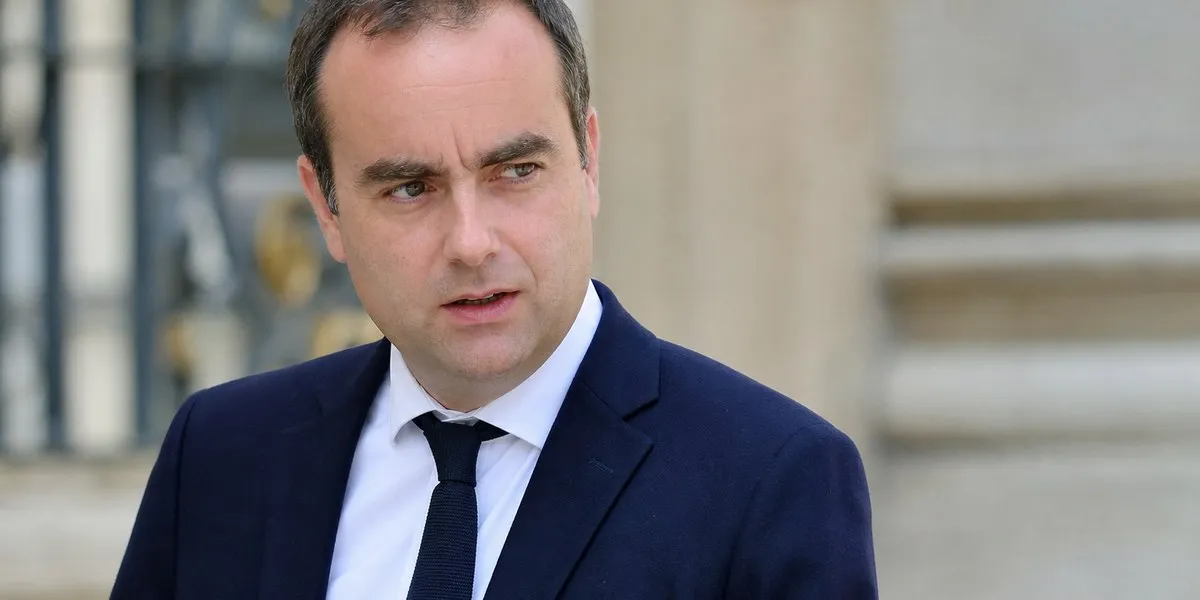
In France, Prime Minister Sébastien Lecornu announced plans to cut public spending by €54 billion in 2027 in order to reduce the budget deficit. According to France 24 English, the government plans to reduce the deficit to 4.8% of GDP excluding defence spending and to 5% of GDP including military expenditure.
Deficit targets
Last year, France's public budget deficit amounted to 5.1% of GDP — one of the highest figures in the eurozone and above the 3% of GDP benchmark set for EU countries. At the same time, the French government acknowledged that the figure is likely to rise to 5.4% of GDP this year.
Lecornu described the planned 2027 budget as a decisive course towards reducing public spending in a country that, he said, is overly dependent on it. The prime minister acknowledged the political risks of the decision but stressed that he does not consider it an austerity policy.
Rising global oil prices above $100 per barrel have led to record prices for petrol and diesel in France. This has prompted calls for protests over the rising cost of living seven months before the presidential election. The government fears a new wave of demonstrations similar to the “yellow vest” movement, which swept the country over higher fuel taxes.
More current news is available on the UA.News Telegram channel Telegram.
Pensions, benefits and taxes
Lecornu said that no pensions would be cut and that pensioners would only make a limited contribution to spending-cutting measures. According to him, parliament will decide separately on the pace of pension increases. State pensions in France are usually indexed to inflation.
The prime minister also ruled out freezing the level of many social benefits. Public-sector workers will not receive compensation for the rising cost of living. The government plans to raise income tax thresholds, which is expected to increase revenue from individuals. At the same time, taxes for some companies will be reduced by exempting them from an additional levy on large businesses.
State of the economy
France's economy contracted in the first quarter and did not grow in the second. Government bond yields reached levels not seen since the 2008 global financial crisis, increasing the cost of servicing public debt. France's public debt amounts to 117.5% of GDP.


