
The U.S. Congress approved new aid for Ukraine and sanctions against Russia despite differences
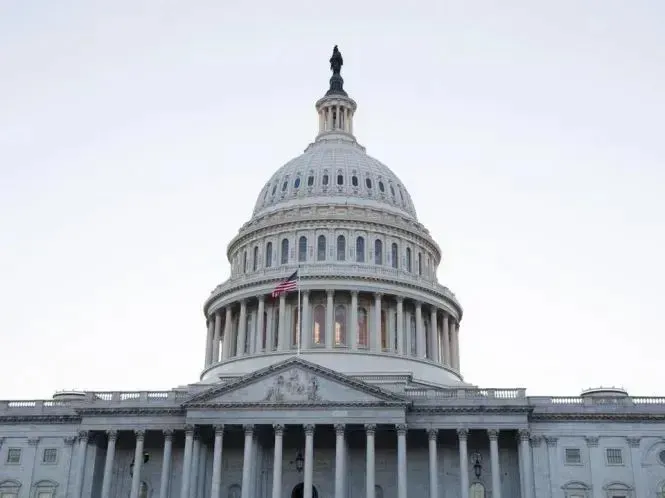
The U.S. House of Representatives voted in favor of a bill that provides new aid to Ukraine and tightens sanctions against Russia. The resolution passed by a vote of 226 to 195, with some Republicans supporting the initiative despite former President Donald Trump’s opposition.
The 207 Democrats were joined by 18 Republicans and independent Congressman Kevin Kiley of California, who usually votes with the Republicans. Speaker Mike Johnson had urged his fellow Republicans at a closed-door meeting the day before to give Trump room to negotiate with Moscow, but part of the caucus did not heed his call.
To even bring the document up for consideration, the congressmen used a rare procedural mechanism—a discharge petition—which allows them to bypass committees and the will of the House leadership. It was Kylie who provided the 218th, decisive signature on the petition in May. Republican Brian Fitzpatrick, co-chair of the Congressional Ukraine Caucus, along with the bill’s author—Democrat Gregory Mix of New York, the senior Democratic member of the Foreign Affairs Committee.
The document covers several areas:
- tough sanctions against Russian leaders and entities, including major banks, oil, and mining companies;
- a 500% tariff on all imports from Russia to the U.S.;
- a ban on the import of Russian crude oil into the U.S.;
- authorization of $8 billion for arms sales to Ukraine;
- an extension of the military Lend-Lease program introduced under President Biden;
- additional security assistance to the Baltic states;
- mechanisms to support Ukraine’s future reconstruction and counter Russian influence.
Mix insisted that the best path to peace is to strengthen Ukraine’s position so that Russia comes to the negotiating table from a disadvantageous position. “This bill was supposed to go through the normal procedure, but my requests to process bills regarding Russia in the normal order were regularly rejected. Republican leadership opposed this bill and repeatedly blocked bipartisan efforts aimed at holding Russia accountable,” he stated on the floor of the House of Representatives.
Republican Brian Mast of Florida, chairman of the Foreign Affairs Committee, on the other hand, criticized Democrats for bypassing committee procedures and accused them of limiting Trump’s ability to act as a mediator in resolving the conflict. Republicans who voted against the measure called the document a “partisan political signal” designed to turn Ukraine into an issue that divides their party.
The scale of support is also telling: in April 2024, 101 Republicans voted for Biden’s additional aid package—three times as many as now. This shows just how much the party’s position on Ukraine has shifted over the past two years under Trump’s influence.
The bill is being sent to the Senate, where its fate remains uncertain. According to CNN, several Republican senators have openly supported Ukraine in the past, but it is unclear whether they will be able to muster the necessary 60 votes to overcome the procedural hurdle. Senate Majority Leader John Thune rarely deviates from the president’s position. If the upper chamber does vote “yes,” it will mark Congress’s first major decision regarding the war in Ukraine since spring 2024.
The bill’s passage comes at a time when Trump is focused on Iran: fighting continues in eastern Ukraine, and the swift resolution of the conflict promised by the president has not materialized. Recently, Trump further angered part of his own party by easing restrictions on Russian oil in an effort to lower its global price amid the Iranian crisis, according to The Hill.
Ukrainian President Volodymyr Zelenskyy published an open letter to Russian dictator Vladimir Putin. The document formally proposes ending the war through direct bilateral talks between the leaders and implementing a complete ceasefire.
Russian Foreign Minister Sergey Lavrov stated that Moscow is allegedly ready for negotiations to end the war against Ukraine, but sees no willingness for dialogue on the Ukrainian side.
Putin is not changing course and continues to finance the war.


