
Kwaku Asare questions basis of charges in Ghana — MyJoyOnline
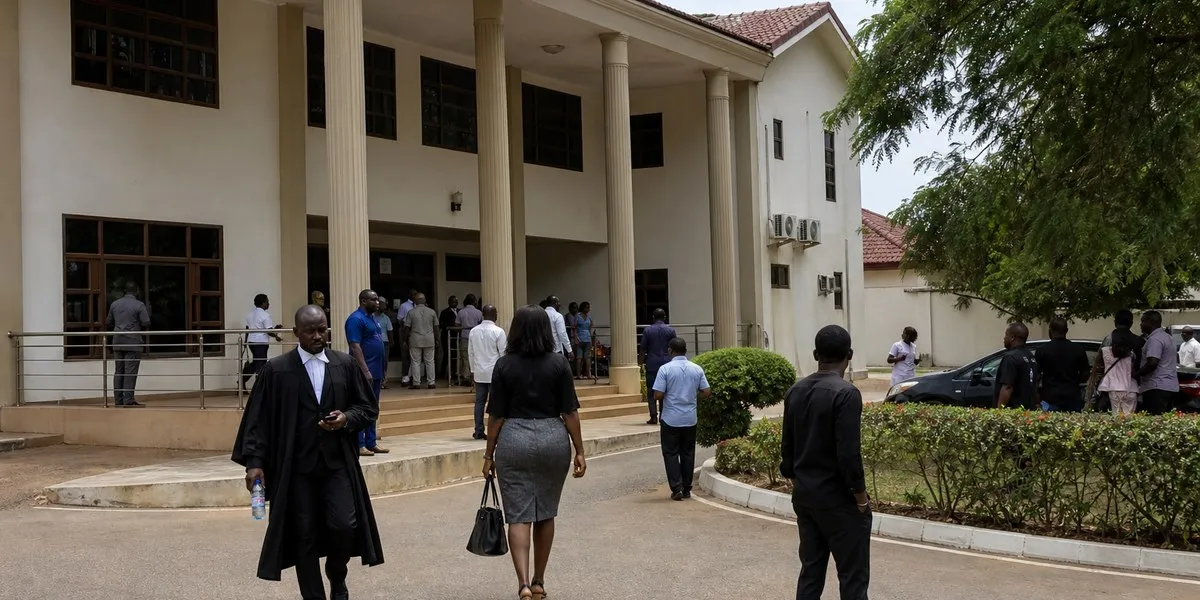
In Ghana, law professor Kwaku Asare questioned the legal basis for the charges against senior nursing officer Salome Aviti Baffoe, whom a court in Adenta remanded in custody for two weeks over an alleged connection to the anonymous TikTok account Ghana Jollof. As MyJoyOnline reports, Baffoe pleaded not guilty.
The 40-year-old Baffoe was arrested on September 13 at her home in Hansua, in the Techiman Municipality of the Bono East Region. She was charged with abetting the publication of false news under Sections 20(1) and 208 of the Criminal Offences Act, 1960. According to the prosecution, she assisted Barbara Asantewaa Koduah in publishing and disseminating false messages on TikTok by acting as an intermediary.
Questions about the content of the charges
According to police, Koduah allegedly created videos containing abusive and inflammatory statements capable of provoking violence. In particular, these allegedly included threats to overthrow the government and burn down Ghana. Police also claim that Baffoe worked with Koduah, recruited others to repost the videos, received money from her, and passed part of the funds to other people involved in disseminating the content.
Asare said he had reviewed only the amended charge sheet and the police's statement of facts, but had not watched the videos themselves. In his view, the available documents do not explain exactly how Baffoe allegedly aided the specific offence with which she is charged. He stressed that abusive, inflammatory, threatening and false statements have different meanings in law.
More current news is available on the UA.News Telegram channel Telegram.
The professor believes that the prosecution must identify the specific allegedly false statement, explain why it is false, and establish that Baffoe knew or had reason to believe it was false. In his assessment, the role of an intermediary by itself describes a connection between people but does not define specific actions or their criminal purpose.
Detention and jurisdiction
Asare also questioned the justification for Baffoe's two-week detention. Publicly stated reasons for the decision included national security considerations and an ongoing investigation. The professor noted that he had not seen the court's written ruling and was commenting only on the reasons that had been reported publicly.
He said that the denial of bail may be justified by specific risks of flight, influencing witnesses or evidence, obstructing the investigation, or committing a new offence. At the same time, according to Asare, the statement of facts available to him did not mention any prior failures by Baffoe to appear in court, attempts to flee, destruction of evidence, or threats to witnesses.
Separately, the professor questioned the territorial jurisdiction of the court in Adenta. The charge sheet states that the actions took place in Accra and within the jurisdiction of that court, but Baffoe lives in Techiman and Koduah resides in the United Kingdom. In Asare's assessment, the available documents do not identify actions by Baffoe or legally significant consequences that occurred in Adenta or Accra.


