
Migration pressure has overloaded Estonia’s administrative courts — ERR News
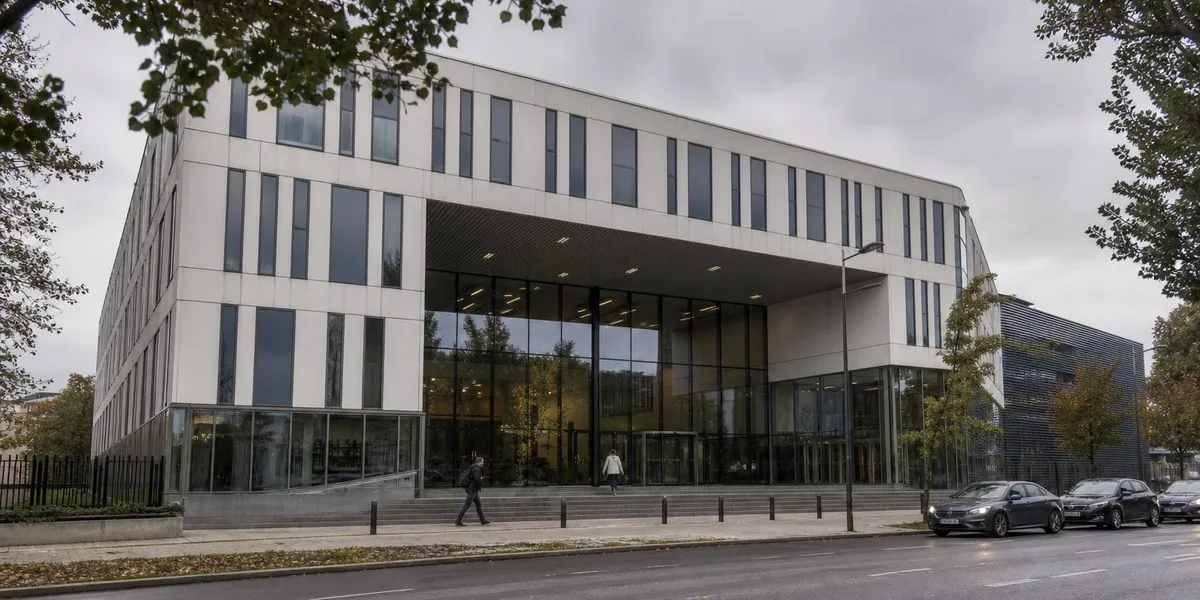
In Estonia, a rise in applications for permission to detain foreigners without legal grounds to remain in the country has overloaded administrative courts and caused delays in hearing other complaints. The Tallinn Administrative Court has borne the greatest burden, ERR News reports.
The number of applications increased fivefold
Last year, Estonia’s Police and Border Guard Board (PPA) filed around 130 applications with the Tallinn Administrative Court for permission to detain foreigners who had no legal grounds to remain in the country. In the first nine months of this year, the court received slightly more than 400 such applications.
Since July, when migration pressure intensified, the court has received 308 applications, more than 90 of them during the last week alone. The number of other complaints has also risen, from 1,445 in the first nine months of last year to 1,620 during the same period this year.
Duty judges do not have time to hear other cases
Anneli Vilu, spokesperson for the Tallinn Administrative Court, said that because of urgent applications, duty judges have no time for other cases. According to her, the court’s capacity to hear regular cases has declined significantly in recent months, meaning that applicants have to wait increasingly longer for proceedings to begin and for disputes to be resolved.
More current news is available on the UA.News Telegram channel Telegram.
Instead of one duty judge, two have begun to be assigned each week, primarily to consider urgent cases involving foreigners. Vilu did not rule out that the number of duty judges could increase further.
Detention procedure and claims of being minors
To hold a detained foreigner for more than two days, police must obtain permission from an administrative court. The person must be heard in court with an interpreter present within the first 48 hours. If the court sees a risk of absconding, it may authorize placing the person in a detention center for up to four months.
According to the PPA, more than 60 detainees initially claimed to be minors. After brief interviews, this number decreased by nearly 20. A special commission that assessed the ages of 43 people who identified themselves as minors determined that only two were minors.
Detainees often have no documents and, according to Vilu, cite Ethiopia, Eritrea, Somalia, Morocco, Egypt, Algeria, Yemen, Nepal, Pakistan, Sudan, and India among their countries of origin. Most flows of illegal migration to Estonia travel from Belarus through Latvia.




