
Russian shipments to Turkey have fallen to their lowest level since 2022 due to the port blockade
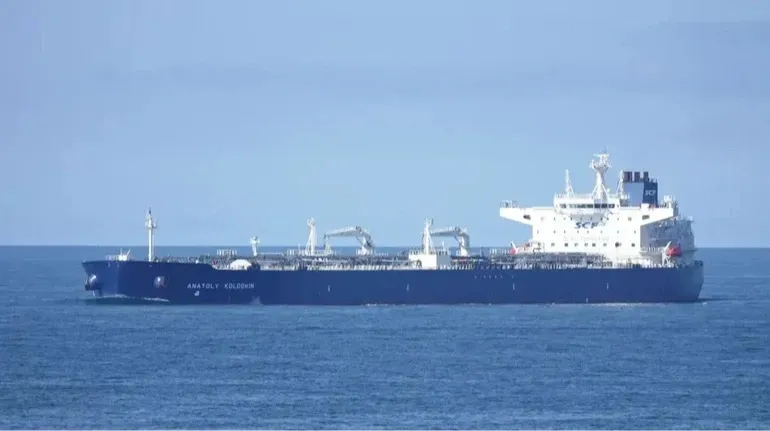
The volume of Russian exports to Turkey fell sharply in August amid disruptions to shipping in the Black and Azov Seas. In dollar terms, imports of goods from Russia fell by nearly 41% compared to July—from $3.23 billion to $1.93 billion—marking the lowest figure since 2022. This is according to data from the Turkish statistical institute TurkStat.
Prior to August, the value of Russian exports to Turkey had fallen below $3 billion only once, in February, when it stood at $2.49 billion. After that, the figure began to rise, reaching $4.42 billion in April, but a new decline began in May.
According to experts, trade volumes were affected by problems with port infrastructure and maritime transport. Among the goods whose shipments have been reduced or halted are coal, ferrous metals, copper, automotive fuel, and grain.
The Russian Grain Union stated that there were no grain shipments to Turkey in August. According to Argus, Russian coal shipments to the Turkish market fell from 2.1 million metric tons in July to 1.5 million metric tons in August.
According to Yulia Shlenskaya, head of the customs and logistics operator “KVT Service,” the flow of goods through southern Russian ports virtually came to a halt during this period. She noted that in September, part of the logistics operations began to be rerouted to longer and more expensive overland routes through the Caucasus or via ports in northwestern Russia.
The situation worsened after a series of attacks on port infrastructure in the Black and Azov Seas. According to *Vedomosti*, in July Ukraine began striking Russian ports, resulting in damage to grain, food, oilseed, and oil terminals, as well as to ships.
Some Russian port facilities ceased operations following the attacks. In particular, the Efko food and oil terminal in Taman shut down in late July, and three grain terminals in Novorossiysk were damaged in August.
Energy supplies were also affected. In August, Turkey reduced its oil purchases from Russian Black Sea ports amid disruptions to port and oil transportation infrastructure.
As the situation escalated, Turkey called on Russia and Ukraine to ensure the safety of shipping in the Black Sea. Turkish Foreign Minister Hakan Fidan reported on diplomatic efforts to stop the attacks on maritime infrastructure.
At the same time, the overall decline in Russian imports to Turkey occurred amid growth in Turkey’s own foreign trade. In August, the country increased its total imports by 10.5% year-over-year, to $28.71 billion. Russia remained one of Turkey’s largest suppliers, with exports totaling approximately $1.94 billion.
Earlier, Putin ordered the purchase of grain from farmers amid problems with exports through Russian ports.
As a reminder, Russia has rejected all options for a grain deal that could allow the resumption of agricultural exports through the Black Sea. Ukraine’s Minister of Agrarian Policy, Taras Vysotsky, told Bloomberg about this. According to him, Kyiv received this information from countries that had attempted to establish a dialogue with Moscow.
Currently, Ukraine and Russia are virtually on par in terms of grain export volumes in absolute terms.




