
Estonian Finance Ministry sees no possibility of lowering diesel excise duty — ERR News
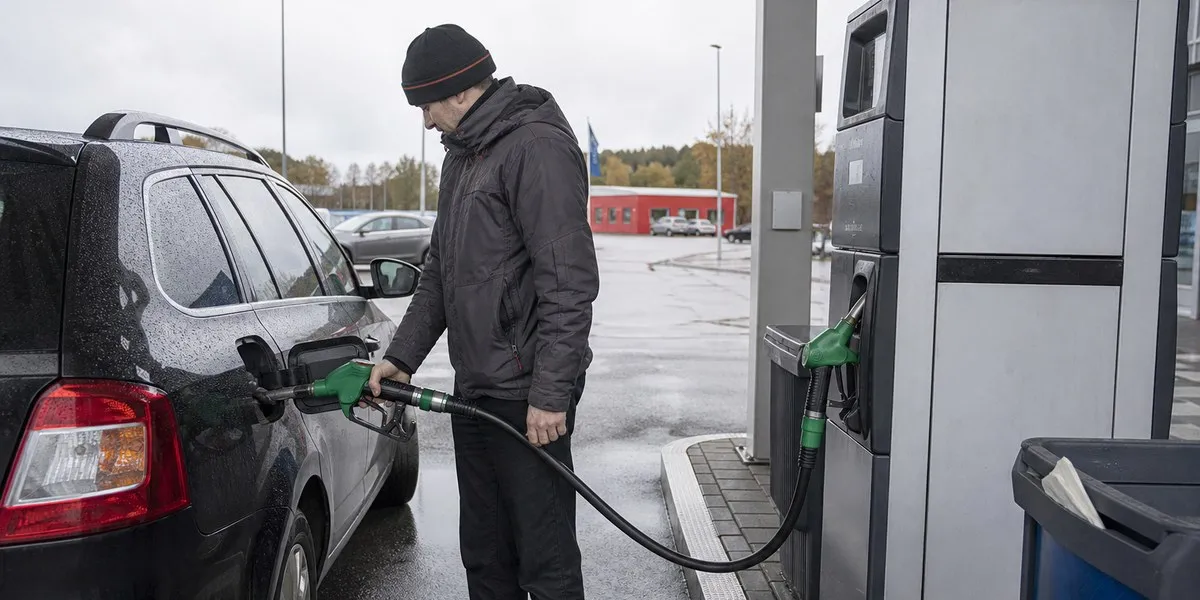
Estonia’s Ministry of Finance sees no possibility of lowering the excise duty on diesel fuel, despite its price rising by 36 cents per liter over two weeks. Fuel companies and carriers are urging the authorities to revise the tax rate, but the ministry cites state budget constraints.
As ERR News reports, Tiit Parik, head of the logistics company Haanpaa, said that fuel accounts for approximately one-third of all the company’s costs. According to him, transport companies cannot cover the significant rise in fuel prices on their own and will therefore pass these costs on to end consumers through a fuel surcharge.
ERR News noted that in August, global fuel demand exceeded supply by 2.8 million barrels per day, while inventories remained low. Diesel prices on the global market rose by 36 cents per liter over two weeks amid the crisis in the Strait of Hormuz and Russia’s war against Ukraine.
Fuel sector proposal
Alan Vaht, a board member of the Terminal network, noted that excise duty rates in Estonia are higher than in Latvia and Lithuania, although fuel prices in those countries are lower. He believes that the excise duty should be reduced to the minimum level in order to curb the transfer of higher diesel costs to consumer prices.
More current news is available on the UA.News Telegram channel Telegram.
According to Vaht’s estimate, such a decision could reduce the retail price of diesel by approximately 12.2 cents per liter, including VAT. Parik also pointed out that Estonia suspended an excise duty increase planned for this year in the spring, while Sweden reduced its rate. As a result, the company’s trucks operating in Sweden refuel there, while Swedish budget receives excise duty and VAT revenues.
Position of the Ministry of Finance
Evelin Liivamägi, deputy secretary general of the Ministry of Finance, said that lowering the excise duty for three months would cost the budget more than €50 million, if gasoline is also taken into account. According to her, the current state of the budget does not allow for the introduction of such tax relief.
She added that more expensive fuel has not generated additional VAT revenue: approximately €60 million was collected from fuel in each of the first halves of 2025 and 2026. At the same time, farmers entitled to use marked blue diesel with a reduced excise duty are also feeling the price increase. The agricultural cooperative Sargvere reported that the price of delivered fuel has risen from approximately 60 cents to €1.30 per liter.


