
The Russian Ministry of Finance has failed to place government bonds for the third time this month
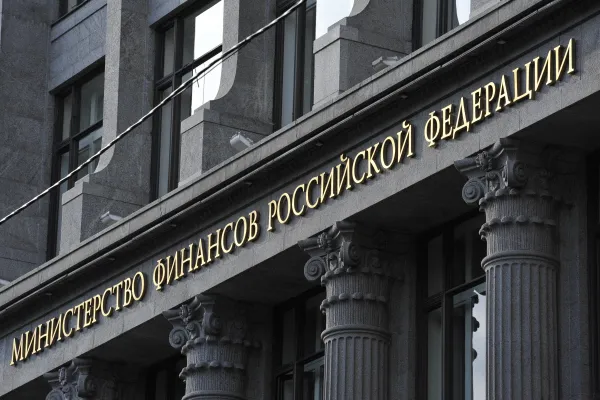
In July, the Russian Ministry of Finance failed for the third time to hold a successful auction for the placement of federal loan bonds. Investors demanded higher yields, indicating a decline in interest in Russian government debt amid the Kremlin’s growing financial needs.
In July, the Russian Ministry of Finance failed for the third time to place federal loan bonds (OFZs), as investors demanded higher yields, which the ministry considers unacceptable. This indicates a decline in demand for Russian government debt amid the Kremlin’s growing financial needs.
The Foreign Intelligence Service noted that OFZs are the primary instrument through which the Russian government covers its budget deficit and refinances old debts. The main buyers of these securities are Russian banks, investment companies, and pension funds.
As noted in the intelligence report, on June 24 and July 8, the Russian Ministry of Finance canceled auctions due to high market volatility, as investors were demanding yields that would have significantly increased the state’s debt-servicing costs.
On July 14, the Russian Ministry of Finance attempted to change its approach and offered only floating-rate bonds—bonds with a floating coupon that reduce risks for buyers. However, the very next day, the Ministry of Finance rejected all bids for these securities as well.
The problem lay not in the bond format, but in the fact that investors are generally unwilling to lend to the government without a substantial risk premium, the report states.
The Foreign Intelligence Service notes that rejecting unprofitable placements merely slows the decline in the value of existing OFZs, but does not solve the main problem. The need to finance the budget is being carried over to the coming months, when Russia will have to borrow even more and at a higher cost.
According to the SVR, Russia’s domestic borrowing plan for the third quarter of 2026 calls for raising approximately $19.4 billion. Following the failure of the July 15 auction, it seems unlikely that this target can be met without a significant increase in bond yields.
The intelligence agency believes that the most likely scenario for the Kremlin will be a combination of more expensive borrowing and administrative coercion of state-owned banks to purchase bonds they do not need.
This would allow the Kremlin to avoid a high-profile default, but it would tie the banks even more tightly to the state, reduce lending to businesses, and effectively shift the budget deficit onto the entire economy, deepening the stagnation that the Kremlin passes off as stability, the SVR noted.
You may be interested in:
The Russian government has cut its economic growth forecast for this year by two-thirds
The Russian economy is already in decline, and banks are preparing for a wave of defaults
The Russian economy ended the first quarter of 2026 with a decline for the first time in three years


