
Mocheri: Sánchez seeks to avoid further conflict with Rabat
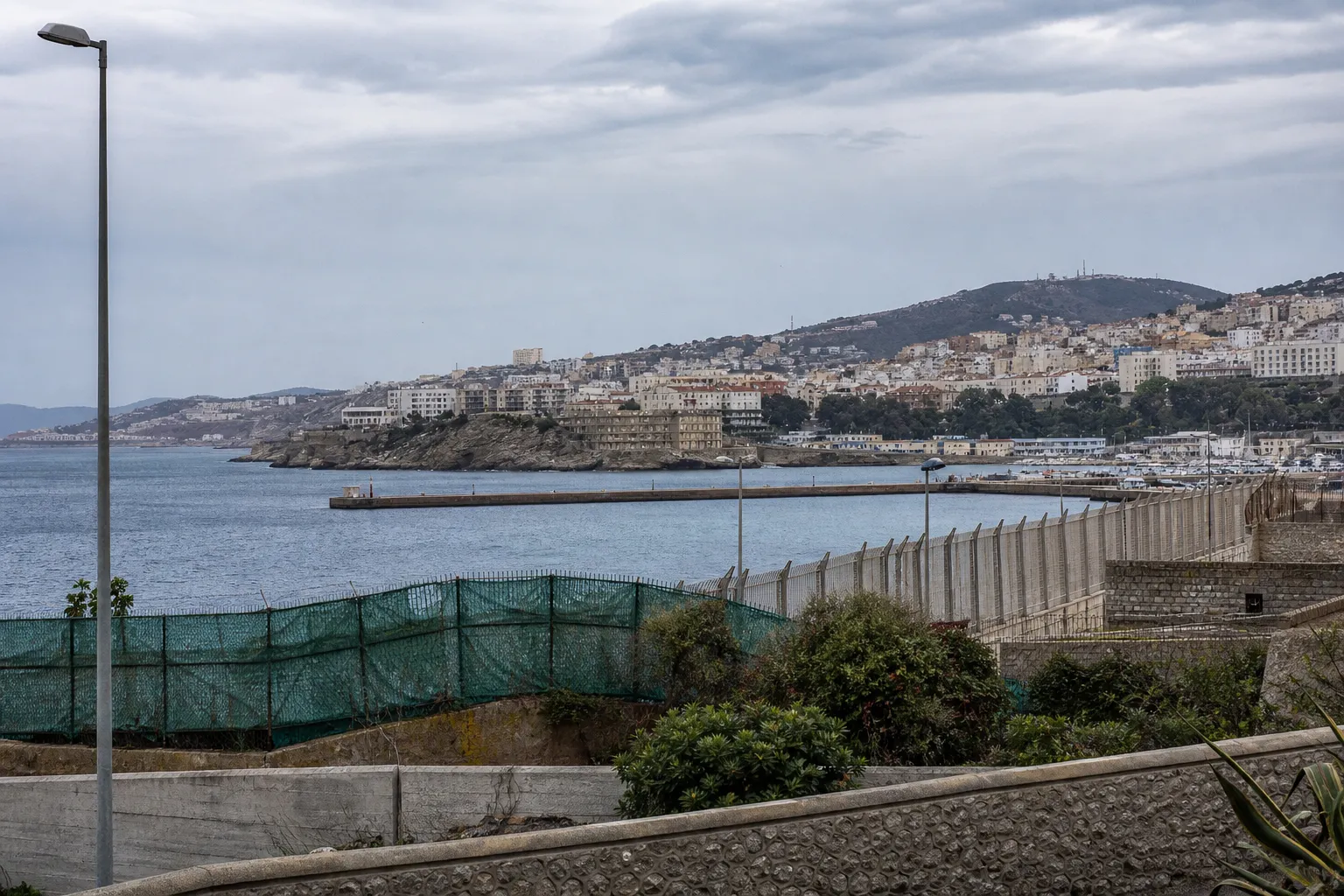
Alana Moceri, a professor of international relations at the IE School of Politics, Economics and Global Affairs, believes that migrants crossing the border in Ceuta have become both a domestic and international crisis for Spain. In a conversation with France 24, she analyzed the restrained response of Spanish Prime Minister Pedro Sánchez.
The situation at the border
According to Moceri, the scale and speed of the border crossings may indicate what she described as deliberate leniency at the border. In her view, Sánchez’s restraint should not be interpreted as an excuse for Morocco: the professor linked this position to a pragmatic approach to international relations and an effort to avoid further conflict with Rabat.
More current news is available on the UA.News Telegram channel Telegram.
Political and information dimensions
Moceri also noted that Sánchez is under domestic political pressure from opponents who may portray migration as an existential crisis. According to her, after such events, they acquire political value: Spain’s far right may intensify its rhetoric about an “invasion.”
At the same time, in the professor’s assessment, hostile foreign information environments may exploit an already escalated dispute, even if they did not create it. In that case, the border becomes simultaneously a geopolitical instrument, a subject of domestic political struggle, and a field of information confrontation.


