
Tensions in the Strait of Hormuz are rising following attacks on oil tankers
Qatar has stated that Iran attacked its gas tanker, the Al Rekayyat, in the Strait of Hormuz. According to Doha, the vessel was struck by a drone, after which a fire broke out on board. In addition, two other incidents involving commercial vessels have been reported in one of the world’s most important maritime routes.
Qatar has already sent Iran an official note of protest and is demanding an explanation for the attack.
The incidents occurred on Tuesday amid rising tensions around the Strait of Hormuz—a key route for the transport of oil and gas. According to Qatari officials, the gas tanker Al Rekayyat was attacked by a drone overnight. The strike caused a fire in the ship’s engine room.
The ship’s crew was unharmed. They are being evacuated, but maritime security sources said the fire could pose a risk of further damage or an explosion. The attack is also corroborated by the crew’s radio communications, which were reviewed by Reuters. “Mayday, mayday, mayday. This is the Al Rekayyat, the LNG carrier Al Rekayyat. We were attacked by a drone from the port side, in the upper part of the engine room. Status: fire in the engine room; it is filled with smoke. It is impossible to assess further damage,” the ship’s captain reported.
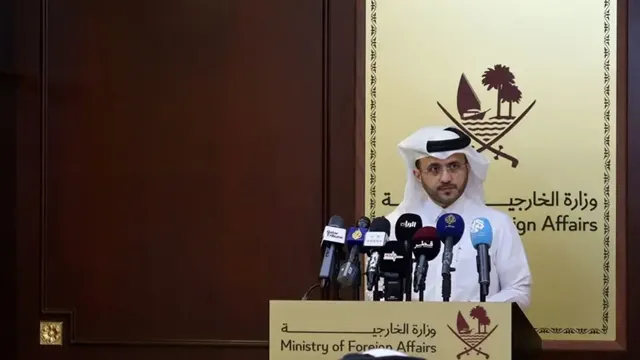
The Qatari Ministry of Foreign Affairs stated that it had summoned Iran’s deputy ambassador and handed him an official note of protest. Doha is demanding immediate explanations from Tehran and calling for measures to ensure that such incidents do not recur.
Qatar’s Foreign Ministry spokesperson, Majed Al Ansari, called the attack a blow to the security of international shipping and global energy supplies. “This is an unacceptable attack on the security of international shipping and global energy supplies, and a clear violation of international law,” he said. In addition to the Qatari gas carrier, another vessel was damaged—a Saudi tanker flying the Saudi Arabian flag, likely the supertanker Wedyan. The incident occurred off the coast of Oman, and its causes have not yet been determined.
A U.S. official, speaking on condition of anonymity, said that preliminary data may indicate Iran’s involvement in the attacks on the three commercial vessels. At the same time, it is unclear whether another incident reported by the UKMTO—involving the British navy—is included in this list. According to the official, one of the tankers was struck by a drone while passing through the strait; it sustained minor damage but was able to continue on to the next port.
Iran has neither confirmed nor denied the allegations of the attacks. The Iranian television channel Press TV, citing an unnamed government official, stated that traffic through the Strait of Hormuz is proceeding as agreed. At the same time, the report mentioned a possible response to “provocative actions” by the U.S., but did not mention attacks on ships.
The Strait of Hormuz remains one of the most important shipping routes for the global energy market. A significant portion of oil and gas supplies from the Persian Gulf countries passes through it daily, according to Al Arabiya.
The Qatari LNG tanker Al Rekayyat was struck in the Strait of Hormuz, marking a new incident amid negotiations between the U.S. and Iran regarding the safety of shipping.


