
Nigerian expert calls for investing savings from subsidy removal in transport
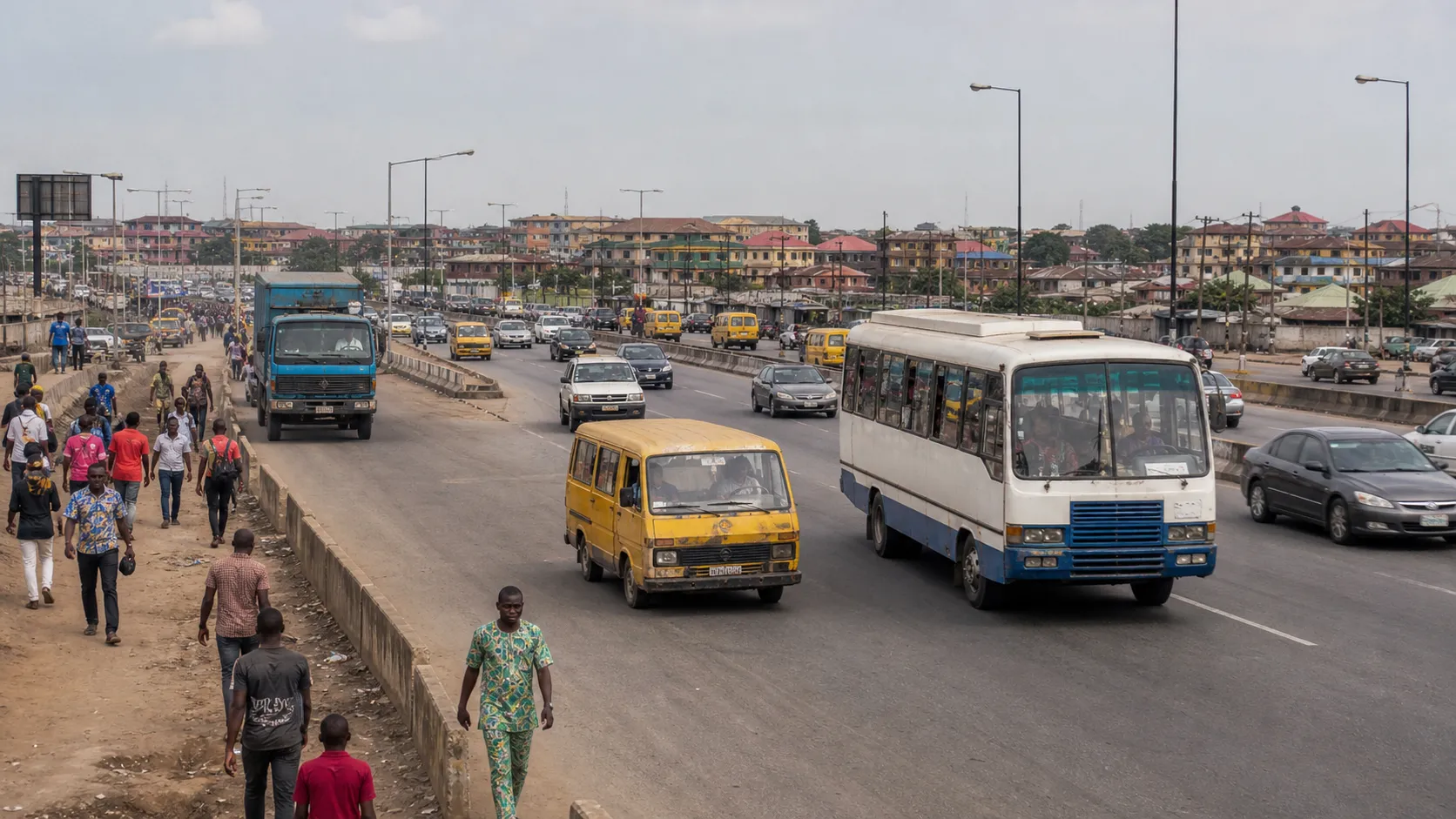
In Nigeria, against the backdrop of political debate ahead of 2027, the abolition of fuel subsidies is again being discussed. Public policy and economic planning specialist David Okelue Ugwunta, in an opinion column, called for directing part of the resources freed up after the 2023 reform toward transport infrastructure and public transport.
As Premium Times Nigeria reports, Atiku Abubakar proposes a targeted subsidy mechanism to ease the cost-of-living crisis. President Tinubu, meanwhile, defends the decision to remove subsidies, saying it increased resources for the federal government, states and local authorities and helped finance social and infrastructure programmes.
Savings from the reform
According to an estimate by Nigeria's Ministry of Finance, from June 2023 through December 2025, the federation saved 15.8 trillion naira due to the removal of subsidies. Of this amount, 5.43 trillion naira went to the federal government, 6.52 trillion naira to the states, and 3.88 trillion naira to local governments.
According to Ugwunta, the ministry views this result primarily as a reduction in borrowing needs rather than as a single large federal fund. The author believes that the federal government, states and local authorities should agree on a share of these resources for investments that increase the economy's productivity and publicly report on their use.
More current news is available on the UA.News Telegram channel Telegram.
Transport as a priority
The columnist links inflation to the high cost of transporting people, food and cargo. He drew attention to problems on the Benin–Asaba, Lagos–Benin and Benin–Agbor highways, which, in his view, increase travel time, fuel consumption and logistics costs.
Nigeria's Ministry of Finance reported approximately 6.47 trillion naira in spending on strategic infrastructure, including the Lagos–Calabar Coastal Highway and the Sokoto–Badagry Superhighway. Ugwunta believes the country needs an integrated system of roads, railways, water transport, compressed natural gas public transport and electric transport.
The author also warned against restoring a broad or vaguely defined targeted subsidy. In his view, such a mechanism requires a reliable register of low-income people, verification of eligibility for subsidised purchases and protection of the system from abuse.


