
Germany reconsiders nuclear energy policy as energy prices surge
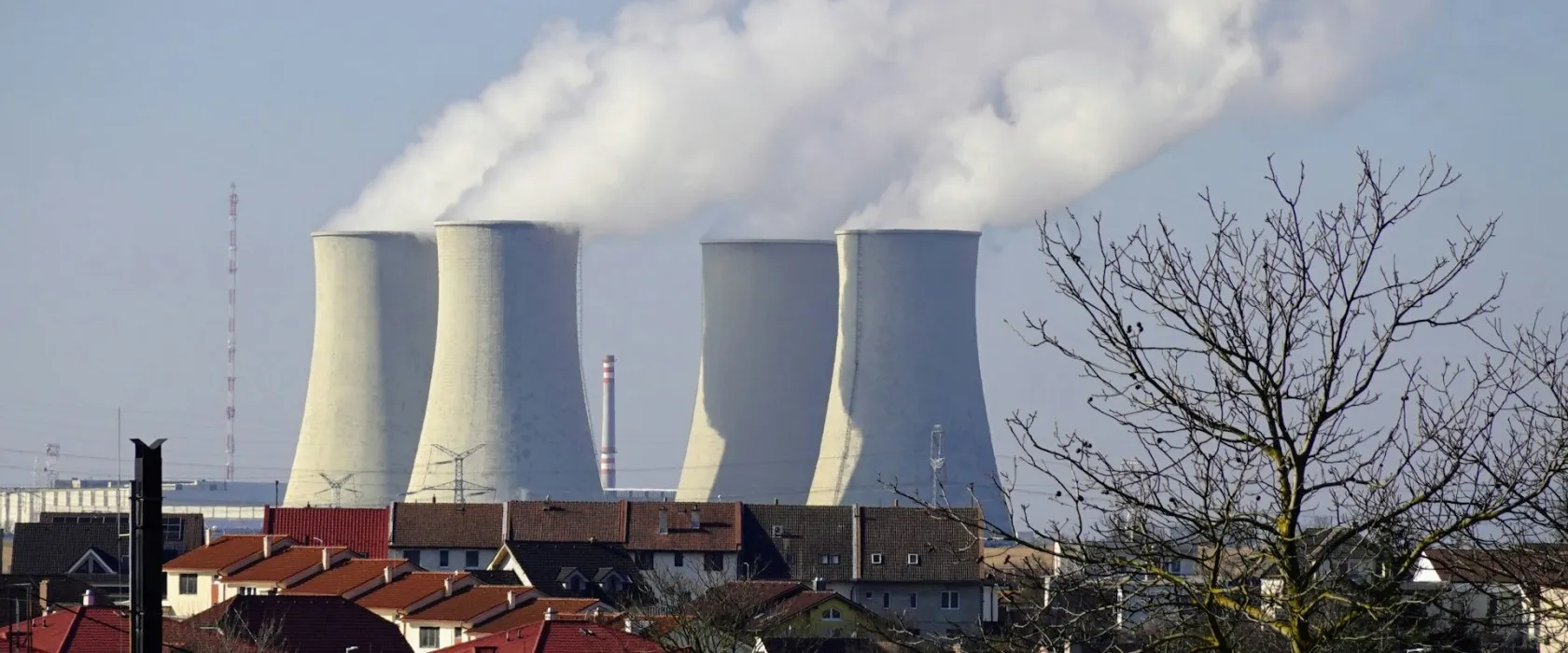
German power prices for May have soared to roughly four times the level seen in France, driven by natural gas supply disruptions linked to the ongoing war. Germany's Minister of Economy is calling for a reevaluation of the country's nuclear energy approach amid sharp increases in energy costs.
The total cost of Germany’s “green energy transition” project has now surpassed 500 billion euros. This initiative involves shutting down nuclear and coal power plants, which has led to a significant rise in energy prices—currently quadruple those in France, a country that retained its nuclear energy program.
Due to the shutdown of nuclear plants and reduction of coal generation, Germany has had to restart coal stations and is contemplating new nuclear plant constructions. The country’s CO2 emissions per kilowatt-hour remain twelve times higher than in France, which continues to rely on nuclear power.
Germany’s green energy transition aimed to reduce fossil fuel dependence and cut emissions, but wartime realities and the energy crisis have posed serious challenges to these ambitions.
Consequently, in response to geopolitical shifts and energy turmoil, Germany is compelled to adjust its energy strategies, potentially reversing course on nuclear energy and revising its green initiatives.
Looking ahead, balancing ecological sustainability, economic viability, and energy independence will be central to shaping Germany’s future energy sector policy.
