
Germany is launching an institute for artificial intelligence security
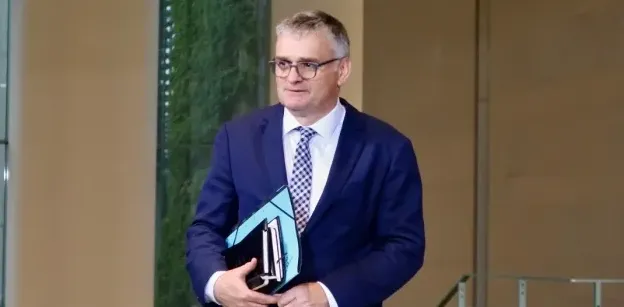
Germany has decided to establish a specialized Institute for Artificial Intelligence Security, which will assess the risks posed by modern AI models and protect the country’s cyberspace. The new body is intended to serve as a central hub in the system for monitoring the development of technologies that are rapidly changing the security landscape.
In addition, the German government is simultaneously updating its approaches to civil defense and critical infrastructure, seeking to adapt the state to new challenges in digital and military security.
The decision to establish the institute was approved by the German National Security Council. This was announced by Federal Government Spokesperson Stefan Cornelius following a meeting chaired by the Chancellor. According to him, the new structure is intended to serve as a platform for analyzing both the opportunities and risks of modern artificial intelligence systems. “This institute is intended to bring together our capabilities to analyze the potential of modern AI models, including their risks,” Cornelius stated.
The institute will pay special attention to cooperation with other countries. Germany plans to exchange experience with similar international organizations and develop common standards for the use of artificial intelligence. “This institute will also focus on intensifying information exchange with similar foreign institutions and implementing uniform standards for handling AI together with international partners,” the government spokesperson added.
Officials in Berlin emphasize that this is not just about technology, but also about national security as a whole. At the same time, the German government has launched a major overhaul of legislation in the areas of civil protection and critical infrastructure. The goal of these changes is to make the system more modern and better prepared for crises that may arise from both cyber threats and military risks.
The goal is to ensure an uninterrupted supply of critically important goods to the population and the military in the event of emergencies. During the meeting, the updated overall concept of the country’s military defense was also discussed. German authorities emphasize that modern threats are becoming increasingly complex and therefore require a comprehensive approach—ranging from cybersecurity to traditional defense policy.
In fact, Berlin is shaping a new security architecture in which artificial intelligence is no longer viewed as a technology of the future, but as a factor that directly impacts national stability today. This was announced by Federal Government Spokesperson Stefan Cornelius following a cabinet meeting chaired by the Chancellor.
Earlier, German Federal Minister of the Interior Alexander Dobrindt announced a new security initiative set to launch next year to strengthen countermeasures against hybrid threats from abroad.
France plans to adopt Ukraine’s experience in combating hybrid threats, particularly in the areas of cybersecurity and countering sabotage.


