
Noah Feldman links the September 11 attacks to the growth of US presidential power
In the United States, Harvard Law School professor Noah Feldman, in a column for The Japan Times, linked the country’s response to the September 11, 2001 attacks to the strengthening of presidential power and the narrowing of the right to privacy and other constitutional rights. In his view, the world shaped after the attacks remains broken.
Feldman writes that these trends began immediately after the attacks, when the administration of George W. Bush launched the war on terror abroad and claimed unprecedented powers for domestic surveillance. The author notes that he opposed the Bush administration’s detention policies at Guantanamo and elsewhere.
Consequences of the war on terror
In Feldman’s assessment, Barack Obama’s administration failed to close Guantanamo. It later used drone strikes, including against US citizens abroad. The columnist believes this replaced the detention strategy with a more lethal approach.
More current news is available on the UA.News Telegram channel Telegram.
Feldman also writes about the expansion of President Donald Trump’s powers. He mentioned the war in Iran, which, according to the author, was launched without congressional authorization and was ongoing at the time the column was published. In Feldman’s view, this war was criticized mostly for recklessness rather than for its possible unconstitutionality.
The Supreme Court and separation of powers
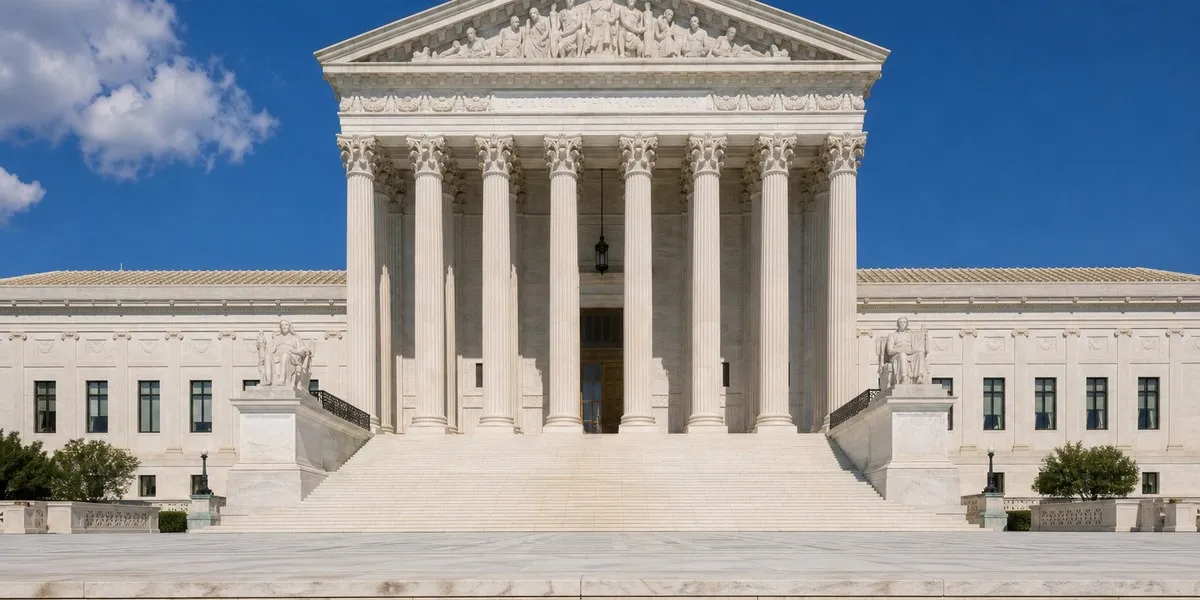
The author criticized a 2024 ruling by the conservative majority of the US Supreme Court. As he describes it, the court ruled that a president cannot be held criminally liable for actions taken in the performance of official duties.
At the same time, Feldman considers the Supreme Court to be the only institution in the US system capable of protecting the rule of law, fundamental rights and the separation of powers. He called for gradually rebuilding American institutions to counter the decline that, in his view, Osama bin Laden sought.


