
Service chief: South African prisons have become bases for criminals — Daily Maverick
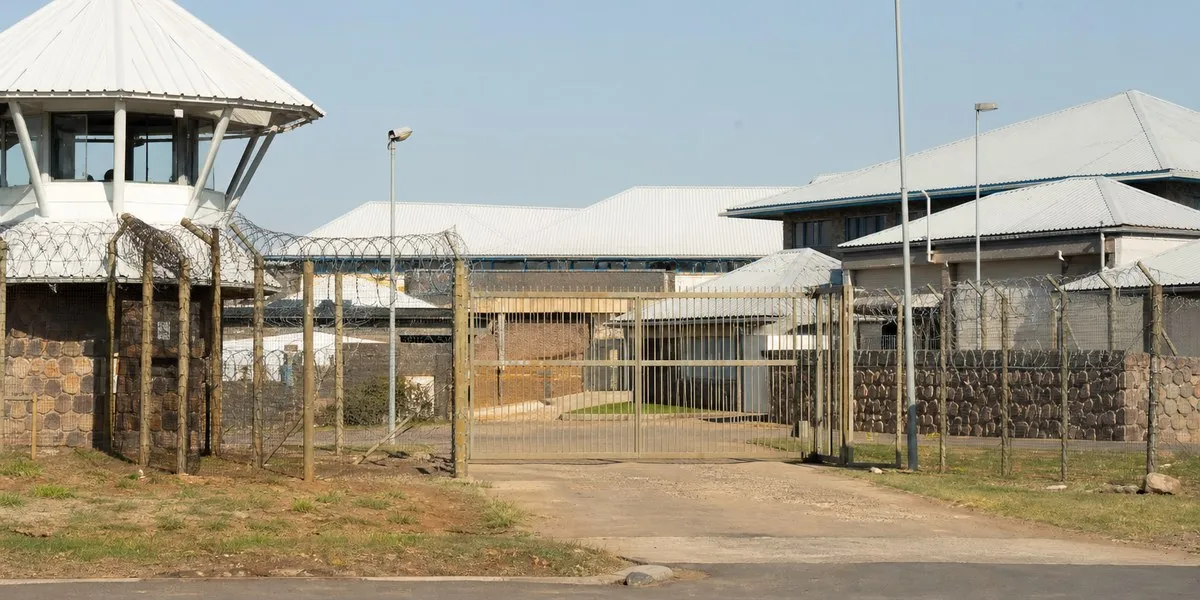
National Commissioner of South Africa’s Department of Correctional Services Makgothi Thobakgale said the country’s prisons have effectively become bases for organised crime. According to him, imprisoned gang leaders can run criminal operations beyond correctional facilities. Thobakgale said this on 17 September at hearings of the Madlanga Commission, which is investigating the possible infiltration of a criminal cartel into South Africa’s criminal justice system, Daily Maverick reports.
The commissioner testified that some correctional services staff may be involved in smuggling and provide inmates with access to mobile phones. According to him, the phones are used to coordinate drug distribution, intimidate or kill witnesses and officials, and commit fraud against citizens. After incidents in which staff allowed prisoners to use their devices, personnel were banned from bringing mobile phones into facilities.
Mobile phones and overcrowding
In the 2025–2026 financial year, 39,242 mobile phones were confiscated in prisons, compared with 30,215 seized in 2023–2024. Thobakgale linked the increase to more active searches and a growing number of inmates.
South Africa has 243 prisons, 239 of which are operational correctional facilities. They have 107,067 bed spaces, while the inmate population stands at 169,118. According to the service chief, the number of inmates rose by 3% from April to June. Keeping one prisoner costs about 480 rand per day, and this population increase meant an additional expenditure of about 700 million rand.
More current news is available on the UA.News Telegram channel Telegram.
Links between prison and street gangs
Thobakgale said that inmates who had already been linked to street gangs establish contacts with prison groups after entering correctional centres. In his view, this creates an uninterrupted channel of command and communication between criminals in prisons and gang leaders outside.
He also reported that on 5 May, the Hawks unit requested that a group of detainees allegedly linked to the Islamic State group be isolated from other inmates. According to Thobakgale, a mobile phone was found in their possession, indicating unauthorised contact with people outside the correctional centre and the possibility of coordinating activities from within the facility.
The commissioner described a scheme for drawing staff into cooperation with gangs: from minor requests, including sharing a cigarette, to identifying an official’s financial vulnerabilities and bribing them to ignore deliveries, visits or searches. He added that staff who refuse bribes may face intimidation or extortion targeting them or their families.


