
Beijing was outraged by Japanese Prime Minister’s donation to the Yasukuni Shrine
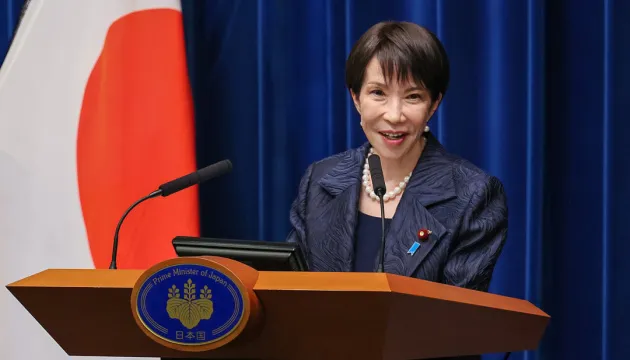
Japanese Prime Minister Sanae Takaichi sent a ritual offering to the Yasukuni Shinto Shrine in Tokyo to mark the 81st anniversary of Japan’s surrender in World War II. China criticized this move and stated that Tokyo should reevaluate its attitude toward its own militaristic past.
Yasukuni is located in central Tokyo. The shrine honors nearly 2.5 million people who died in various armed conflicts while defending the Japanese state and the emperor. At the same time, among those honored at Yasukuni are 14 Japanese war criminals. After World War II, they were sentenced to death by the International Military Tribunal for the Far East in Tokyo.
This is precisely why the shrine has remained a highly sensitive issue for Japan and its neighbors for many years. China and South Korea view Yasukuni as a symbol of Japanese militarism. Both countries suffered Japanese occupation and war crimes in the first half of the 20th century.
Therefore, visits by Japanese politicians to the shrine regularly provoke negative reactions from Beijing and Seoul. This time, Takaichi decided not to visit Yasukuni in person. Instead, she sent a ritual offering.
This move was likely intended to allow the prime minister to honor the dead without provoking further tension with neighboring countries.
Why Yasukuni Is Controversial
The shrine is considered one of Japan’s most important Shinto shrines. For some Japanese, it is a place to remember soldiers and others who died during the wars. However, China and South Korea see the situation differently.
They believe that honoring people at Yasukuni—including convicted war criminals—could effectively be perceived as justifying or glorifying Japanese aggression. Takaiichi holds right-wing political views and has previously visited the shrine regularly. Before becoming head of the Japanese government, she visited Yasukuni every year. This time, the prime minister opted for a more cautious approach and did not visit the shrine in person.
China lodged a protest
South Korea did not publicly react to the Japanese prime minister’s donation this time. Beijing, on the other hand, issued a sharp statement. The Chinese Ministry of Foreign Affairs stated that the Chinese government strongly condemns such actions by the Japanese authorities. “China strongly condemns Japan’s negative moves regarding the Yasukuni Shrine and has lodged a protest with Tokyo against such actions,” the Chinese Foreign Ministry said.
Beijing specifically mentioned 14 Japanese war criminals who were convicted after the end of World War II but whose names are still enshrined at Yasukuni. The Chinese side also accused Japanese politicians of attempting to cover up Japan’s war crimes and distort history. “We call on the Japanese side to reflect on its history of aggression, make a clean break with militarism, and earn the trust of its Asian neighbors and the rest of the world through concrete actions,” the Chinese Foreign Ministry’s statement said.
A Sensitive Issue for the Japanese Government
The historical issue remains one of the most complex topics in Japan’s relations with China and South Korea. Tokyo is trying to maintain normal relations with its neighbors, but at the same time, there are political forces in Japan that insist on a different approach to the country’s military past.
Therefore, any visit by Japanese politicians to Yasukuni—or even a symbolic donation—can become a cause for diplomatic controversy. This time, Takaichi did not visit the shrine in person, but even her donation drew a reaction from Beijing. The Japanese news agency Kyodo reported on the donation.


