
US House subcommittee advances bill on open AI models
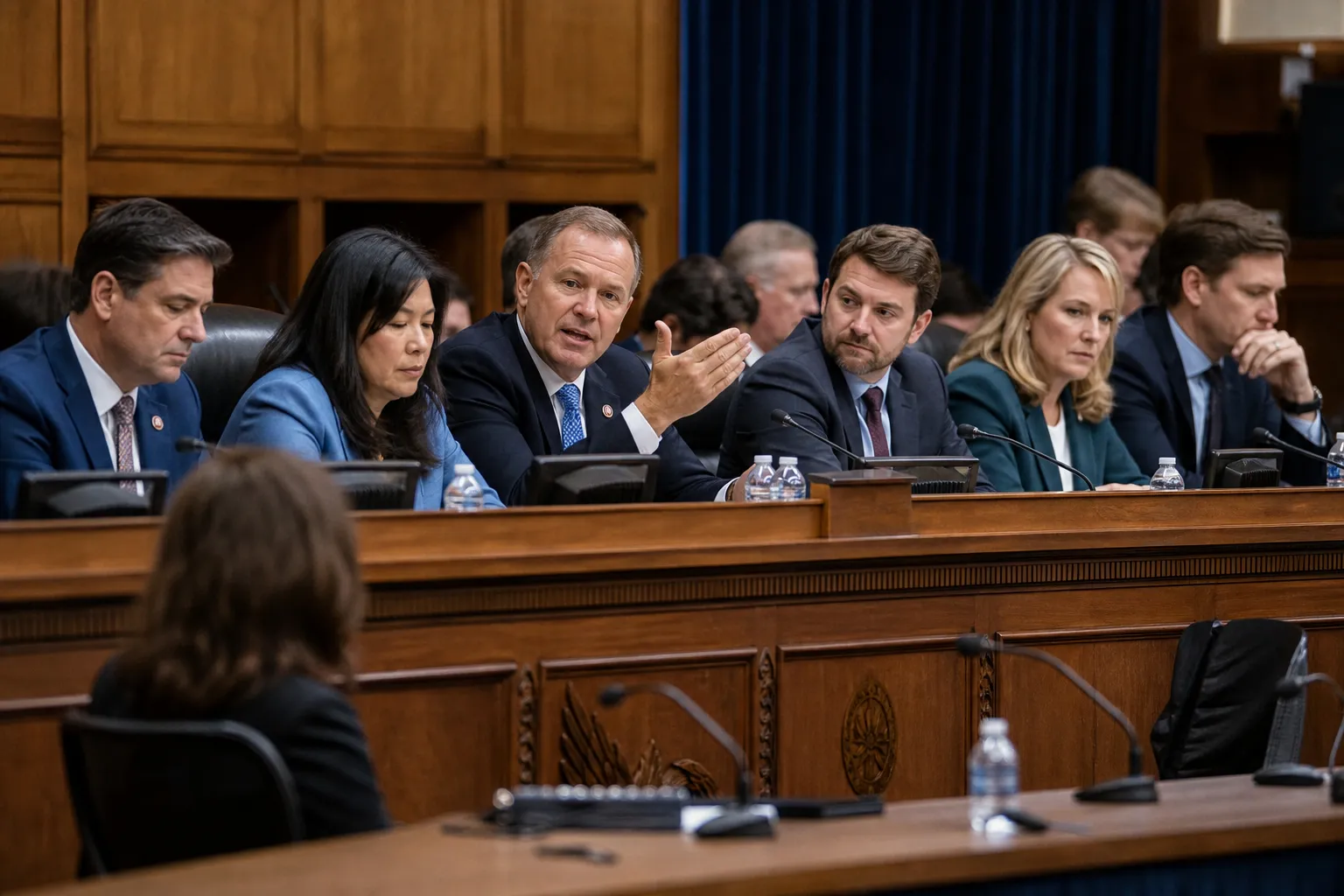
The US House Subcommittee on Commerce, Manufacturing and Trade has advanced the Open-Source AI Leadership Act for consideration by the full committee. The document aims to strengthen the United States’ position in the field of artificial intelligence models with open weights by promoting their use and informing about the risks of using Chinese models.
As reported by the South China Morning Post, bill H.R. 10152 was introduced last week. If adopted, it would instruct the US Department of Commerce to identify barriers to the deployment of American open-weight models and collect data on their use compared with Chinese models.
Open models
Open-weight models are available for download via the internet: users with the necessary equipment can download and customize them for their own needs. At the same time, leading US models, including GPT by OpenAI and Claude by Anthropic, are predominantly closed and available only through official channels.
The bill’s author, Colorado Republican Gabe Evans, said that American companies are increasingly falling behind Chinese competitors in the global market for open-weight models. According to the Interconnects newsletter, Chinese open models were downloaded more than 328 million times worldwide last month — more than twice as often as their American counterparts.
More current news is available on the UA.News Telegram channel Telegram.
Risks of Chinese models
One provision of the bill calls for the creation of a single point of contact at the Department of Commerce to promote American open-weight models among US companies, government agencies, states and qualified foreign partners. No later than 18 months after the law takes effect, the department would also have to publish information on the risks of using Chinese models, including censorship, supply-chain vulnerabilities and misuse risks.
The idea of strengthening US competitiveness in open AI has received bipartisan support. At the same time, some Democrats expressed concern that the current version could give the administration overly broad authority to block or promote certain transactions. Massachusetts Democrat Lori Trahan said these concerns could be addressed.
The subcommittee advanced the document to the full committee by voice vote. The bill is to be considered there again; if approved, it may be brought before the House of Representatives for a vote.


