
Tiwi Islands teenagers concerned about changes to child protection laws in Australia — ABC News Australia
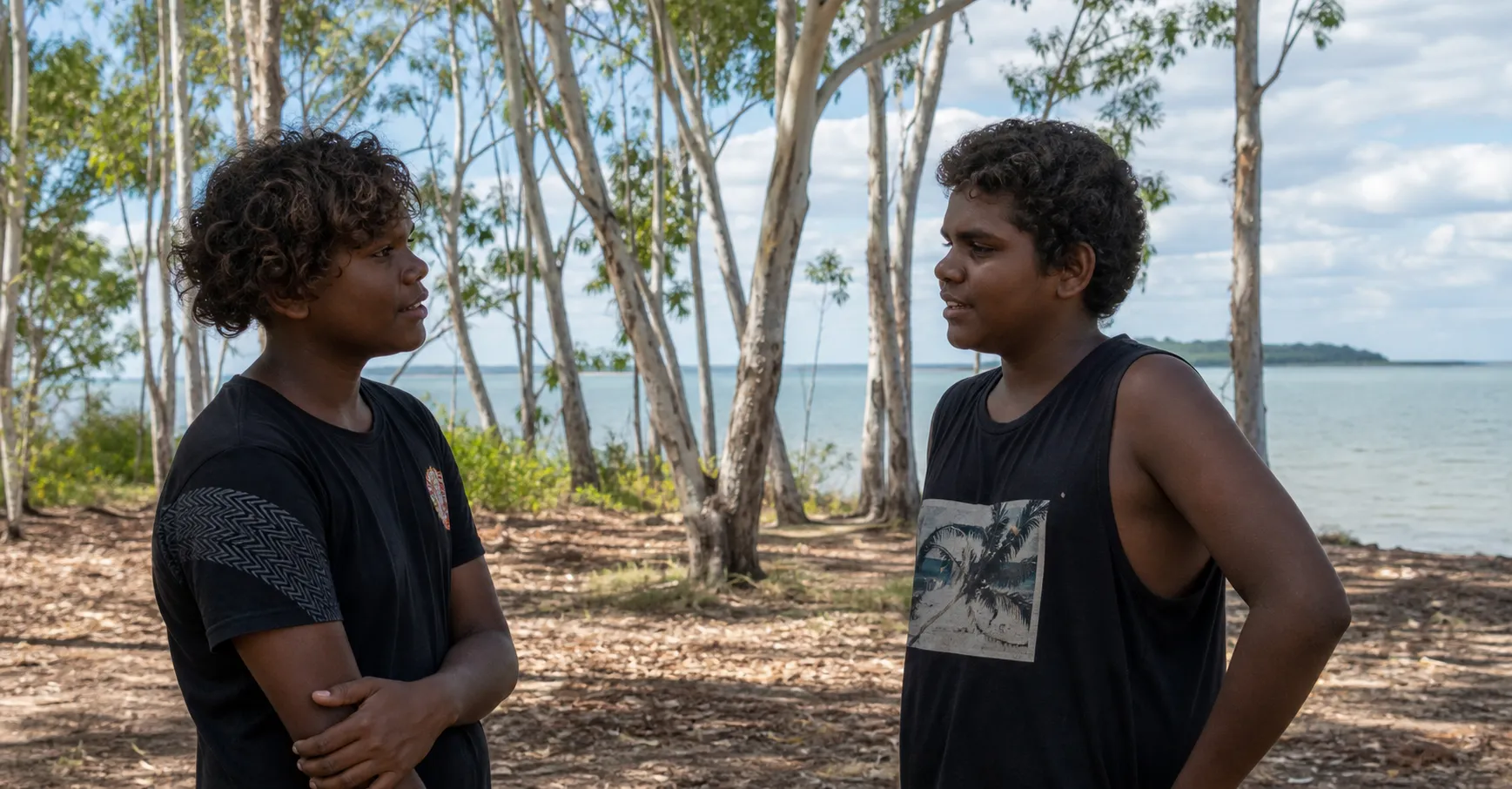
In Australia, teenagers from the Tiwi Islands have voiced concerns about changes to Northern Territory child protection legislation which, critics believe, could weaken Aboriginal children’s connections with their families, communities and culture. This was reported by ABC News Australia.
Seventeen-year-old cousins Shania Cantilla and Taini Thompson said Tiwi cultural knowledge is passed down within families — from grandparents, parents, aunts and uncles. They stressed that connection to land, language, ceremonies and family groups is an important part of their identity.
The girls also spoke about the consequences of past policies which, they said, hindered the transmission of language and traditions between generations. Taini Thompson spent part of her childhood in Darwin and said returning to the Tiwi Islands helped her restore a sense of connection to her identity.
Changes to child placement rules
The Northern Territory government announced changes to child protection laws following the death of Kumunjayi Little Baby. Critics believe the new provisions weaken the Aboriginal Child Placement Principle, which provides for priority placement of a child first with family, then with their Indigenous community, and then with other Indigenous carers.
More current news is available on the UA.News Telegram channel Telegram.
Under the new rules, if a child cannot be placed with family, authorities are no longer required to try to place them with the community or an Indigenous carer. National Commissioner for Aboriginal and Torres Strait Islander Children Sue-Anne Hunter said cultural belonging is part of a child’s safety, and severing ties with culture can have devastating consequences.
A Northern Territory government representative denied that the reform weakens protections for Aboriginal children. According to the representative, the changes introduced a universal child placement principle, while additional provisions for Aboriginal children that take into account their cultural needs and connections to family, community and land have been retained.
Concerns over the age of criminal responsibility
During a youth forum at the Garma Festival, Shania Cantilla and Taini Thompson also raised the issue of lowering the age of criminal responsibility in the Northern Territory to 10. Taini said children of that age are not yet mature enough to understand the consequences of their actions, and detention in youth facilities can traumatize them.
The girls believe young people need family support, counselling and the opportunity to remain in their community. Taini called on authorities to take young people’s voices into account and said she does not want a repeat of the experience of the Stolen Generations, when children lost connections with their culture and families.


