
Plan to reorganize provinces in Pakistan faces objections — Dawn
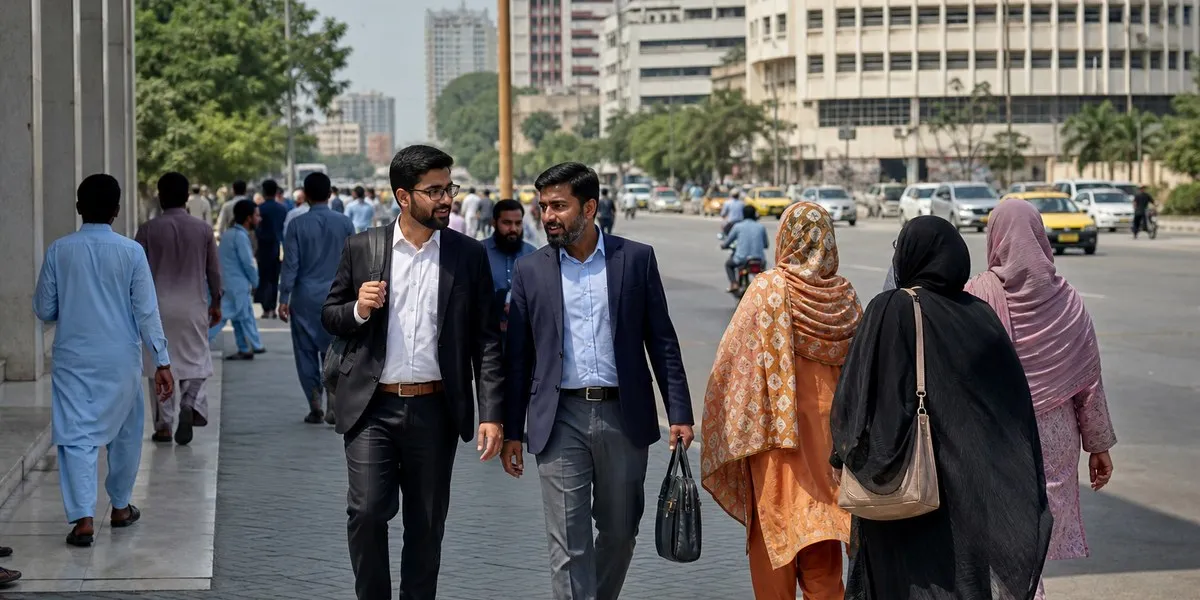
In Pakistan, a proposed plan for a large-scale reorganisation of the state structure and the creation of several new provinces has drawn objections from political parties and provincial authorities. As Dawn reports, the initiative was announced by the interior minister, who cited poor governance, demographic problems and systemic failures among the reasons.
The columnist notes that there are no official authoritative studies that would unequivocally link the quality of governance to smaller administrative units. In his view, the effectiveness of the state primarily depends on the legitimacy and efficiency of the political system, the quality of leadership and the capacity of institutions.
Reaction of parties and provinces
According to the publication, no federal, provincial or local government, nor the main political forces, has called for a general revision of provincial boundaries. At the same time, the author claims that there is near-consensus in political circles on creating separate provinces in southern Punjab and the Hazara belt in Khyber Pakhtunkhwa. The assemblies of Punjab and Khyber Pakhtunkhwa adopted relevant resolutions, but they were not implemented.
More current news is available on the UA.News Telegram channel Telegram.
According to the column, JUI-F, ANP and PTI, as well as the ruling party’s main coalition partner, opposed the large-scale reorganisation. The Sindh Assembly also rejected the division of the province. The author writes that the prime minister and his party do not appear ready to support the initiative, although individual ministers spoke in favour of it without cabinet approval.
Referendum and risks
A referendum is being considered as one way to implement the plan. At the same time, the Dawn author believes that it cannot replace the necessary constitutional amendment and will not provide the reorganisation with sufficient legitimacy. In his view, a forced change in the state structure could intensify identity-based politics in a multinational society.
The author instead proposes focusing on accountable institutions, rule-based governance, regular fair elections, access to justice, opportunities and development. He also stresses the historical and cultural connection of ethnocultural communities with their provinces, particularly in Sindh.


