
Three African wild dogs travelled 4,100 km across Zambia — The Guardian
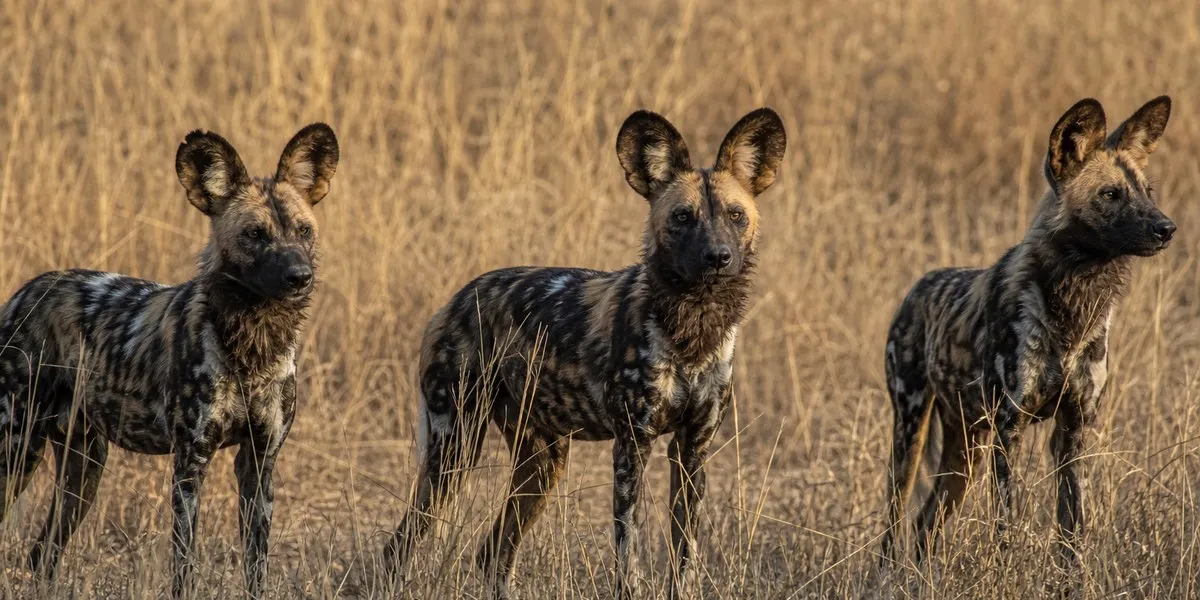
Three brother African wild dogs, searching for their own territory, travelled more than 4,100 kilometres across Zambia over eight months. This is the longest recorded single journey by mammals on the African continent, The Guardian reports.
Route across Zambia
The dogs left their pack after reaching the age at which young animals must find new territory, partners and establish their own family pack. Their route began in Kafue National Park in western Zambia and ended in the Luangwa Valley in the east of the country.
The distance between the starting and finishing points was 546 kilometres, which is also a record. The previous record of 2,418 miles was also held by African wild dogs: in 2012, they travelled from Loliondo in northern Tanzania to Tsavo West National Park in Kenya.
Monitoring the packs
Scientists from the Zambia Carnivore Programme monitored the animals using GPS collars. In total, the researchers tracked 19 separate groups of wild dogs to study their dispersal, and published the results in the journal Ecology.
More current news is available on the UA.News Telegram channel Telegram.
The scientists also monitored a group of sisters of the three brothers. Two months after the journey began, the brothers and sisters met in Zambia's Copperbelt mining region, spent one day together and then went their separate ways again. Related animals do not form new family packs with one another, so they must cover long distances in search of potential partners.
Two sisters died; researchers suggest that they may have been caught in hunting snares. Other major threats to the species include habitat loss, a decline in natural prey and conflicts with humans.
Species status
According to the International Union for Conservation of Nature, the African wild dog is classified as an endangered species. About 6,600 adult individuals remain in 39 separate populations across the continent.
Matt Becker, head of the Zambia Carnivore Programme, said the brothers' journey indicates that natural connections between Africa's important wildlife areas have been preserved. At the same time, it demonstrates the dangers of such routes in human-dominated landscapes.


