
Trump's plans for Europe have met with resistance in the U.S.
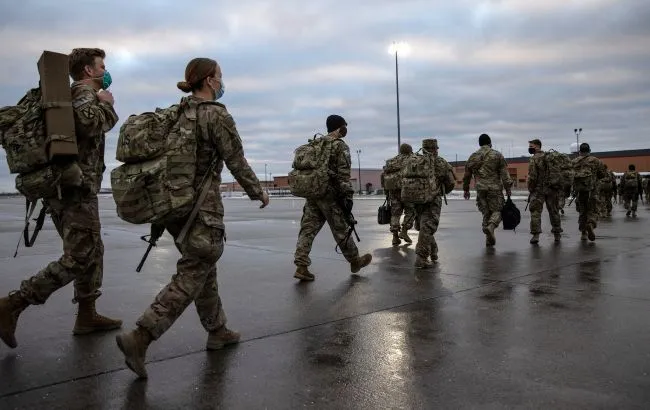
Within the Republican Party in the U.S., Donald Trump’s plans to reduce the military presence in Europe have come under sharp criticism. This primarily concerns the possible withdrawal of U.S. troops from Germany, according to Newsweek.
U.S. President Donald Trump has come under pressure not only from his opponents but also from his own party. The reason is his intention to reduce the U.S. military presence in Europe and withdraw part of the contingent from Germany. This decision has sparked a sharp reaction from influential Republicans, who believe that such a move could undermine NATO’s security framework and weaken the deterrence against Russia.
Senator Roger Wicker and Congressman Mike Rogers have stated that they oppose such a scenario. “We are very concerned about the decision to withdraw an American brigade from Germany,” they emphasized.
Both politicians chair key defense committees in the U.S. Congress, so their position carries weight in shaping military policy.
In a joint statement, they emphasized that a hasty reduction of the U.S. presence in Europe could send the wrong signal to the Kremlin. “Prematurely reducing America’s forward presence in Europe risks undermining deterrence and sending the wrong signal to Vladimir Putin,” the lawmakers’ statement reads.
They propose a different approach—not to bring troops home, but to redeploy them closer to NATO’s eastern flank. In their view, this would better protect allies bordering Russia. The Republican Party also emphasizes that the U.S. must remain a key force in the defense alliance, and any weakening of its position in Germany could have strategic consequences for all of Europe, including the war in Ukraine.
Amid this debate in Washington, another source of tension is emerging—U.S. foreign policy decisions, particularly the campaign in Iran, which has been ongoing for several months and is sparking a mixed reaction among the public. Polls show that most Americans are generally skeptical of this war, although within the Republican Party, support for Trump remains high, especially among his most loyal supporters.
Against this backdrop, the dispute over troops in Europe appears not merely as a domestic political conflict, but as a broader question regarding the U.S. role in global security in the coming years.
As a reminder, the Pentagon has decided to withdraw approximately 5,000 U.S. troops from Germany. The process is planned to be carried out over the next six to twelve months. This is part of a review of U.S. troop deployments in Europe.
Berlin acknowledges that the continent will have to strengthen its own defense more quickly and more seriously to compensate for the gradual reduction of the American presence.


