
Polyphagous shot-hole borer threatens Australia’s avocado orchards despite bird flu focus
In Perth, Australia, the polyphagous shot-hole borer continues to pose a threat to urban plantings, agriculture and natural forests. At the same time, according to ABC News Australia, there are concerns that H5N1 bird flu could divert public attention and biosecurity resources from controlling the spread of this pest.
The beetle, measuring 1 to 2 millimetres long, was first detected in December in an avocado orchard in the Perth suburb of Carabooda. The soft wood of avocado trees is particularly vulnerable to the pest, and in other countries it has already caused significant damage to crops of this fruit.
Risk to avocado orchards
Southwestern Western Australia has become a new line of defence against the beetle’s spread. According to Avocados Australia, more than 51,000 tonnes of the 131,000 tonnes of avocados grown nationwide were produced there during the last financial year.
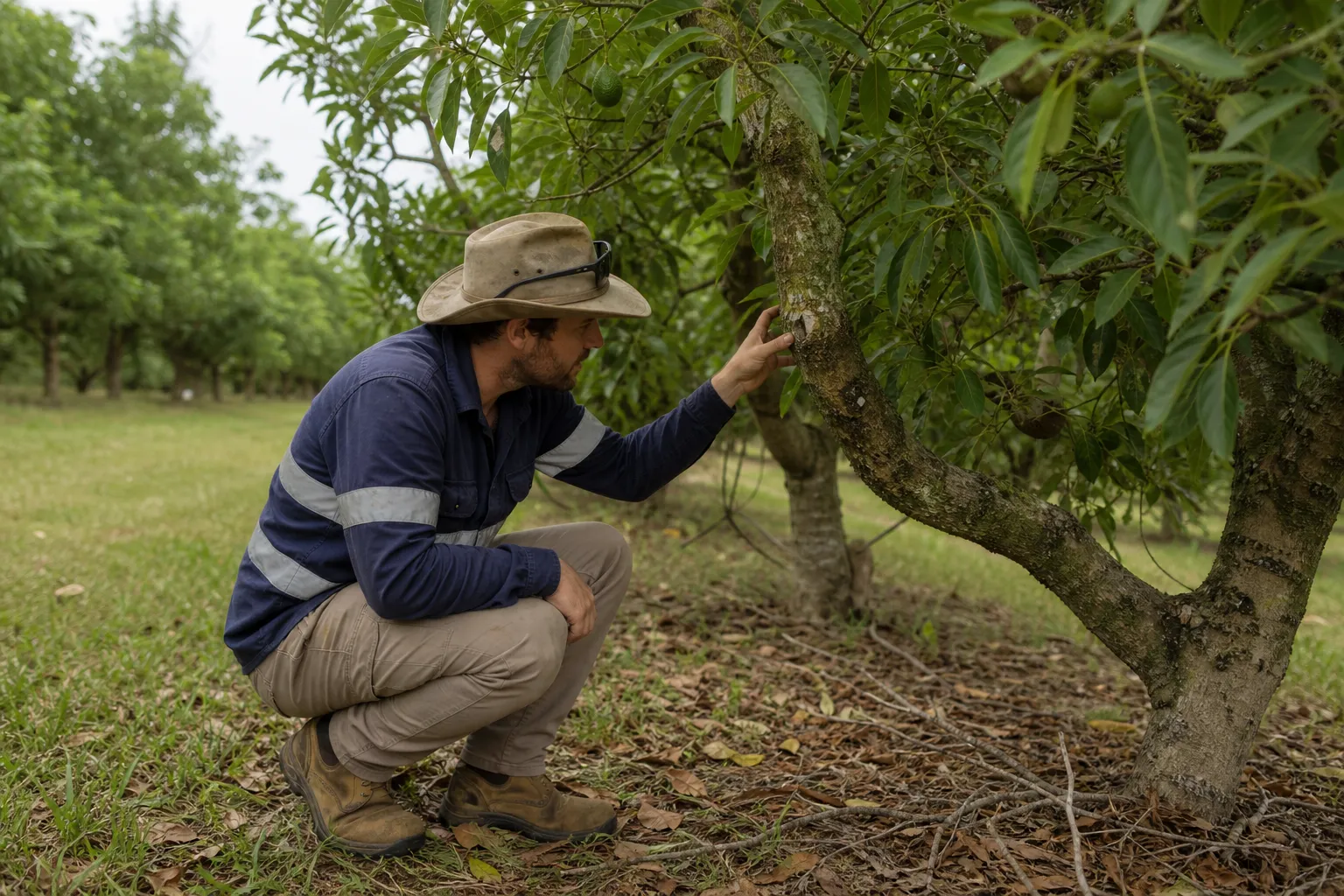
Manjimup farmer and Avocados Australia director for Western Australia Brad Rogers said that no signs of the pest had yet been detected in the region. According to him, growers regularly inspect avocado orchards, while the Department of Primary Industries and Regional Development provides information and recommendations on tree pruning to manage the borer’s spread.
More current news is available on the UA.News Telegram channel Telegram.
Research and quarantine
After an unsuccessful attempt to eradicate the pest, authorities moved to a long-term plan for managing its spread. A quarantine zone was introduced around the Perth metropolitan area. The beetle has already led to the destruction of thousands of trees in the city; trees were also cut down in Kings Park and Hyde Park to contain the spread.
The department is working with Murdoch University to study Australia’s only laboratory colony of these beetles. A team led by Wei Xu is studying substances that repel or attract the insects for use in traps to monitor, detect and eradicate the pest. The researcher stressed that early detection is key to preventing the beetle from spreading beyond Perth’s quarantine zone.
Concerns over resources
Invasive Species Council policy director Carol Booth expressed concern that the bird flu crisis could take up a significant share of biosecurity resources, including government specialists. At the same time, the Western Australian government said that the response to H5 bird flu had not changed pest surveillance and management programs, including quarantine controls, monitoring, regulation, training and capacity building.


