
More than half of unemployed young people in South Korea reported burnout
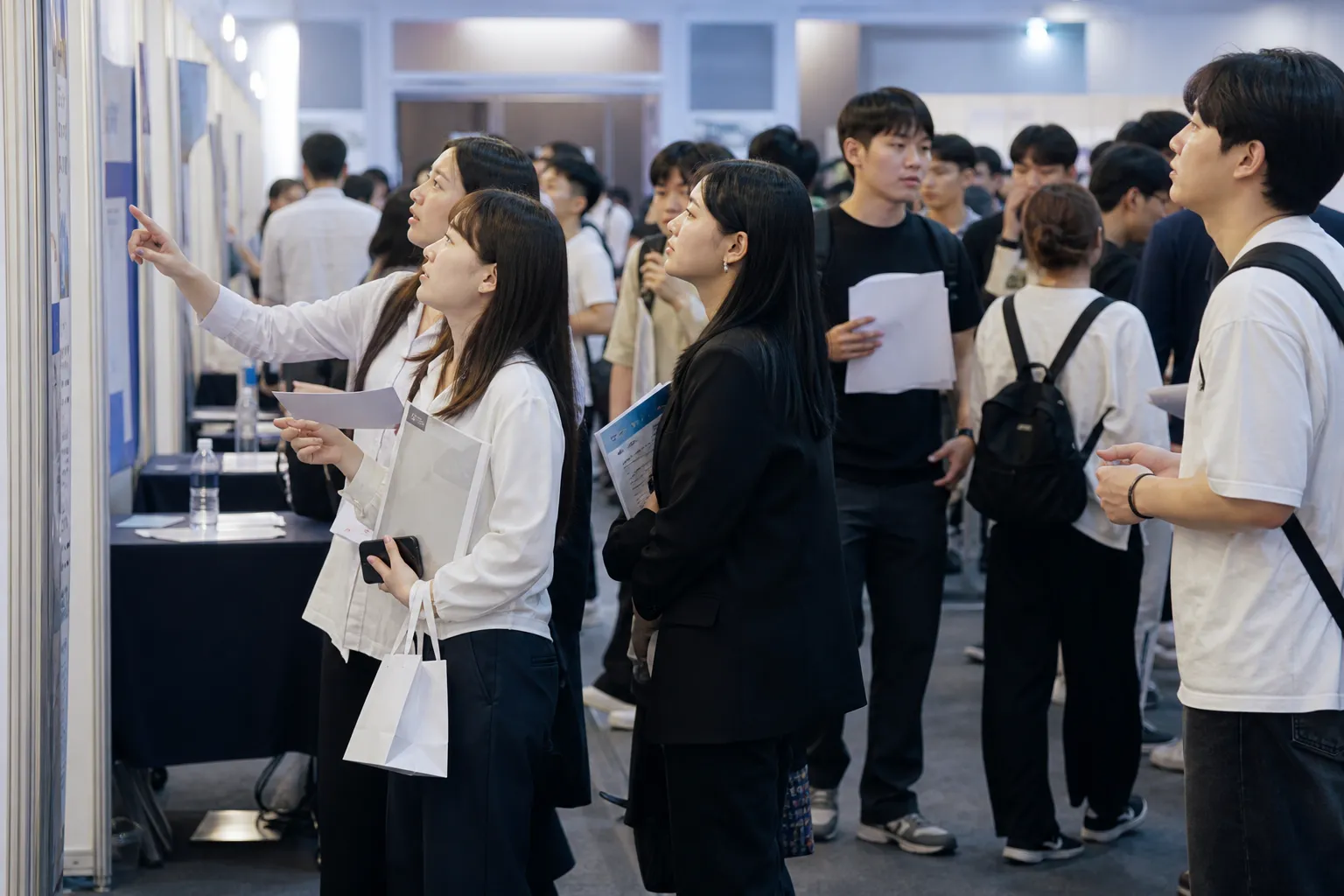
In South Korea, 52.7% of unemployed people aged 19 to 34 reported experiencing emotional burnout. Among employed respondents in this age group, 32.4% had had such an experience, The Korea Herald reports, citing an analysis by the Federation of Korean Industries.
Burnout during job searches
The analysis is based on microdata from the 2024 Youth Life Survey conducted by the Office for Government Policy Coordination. The study defines burnout as a state of emotional exhaustion caused by work, employment preparation, studies or other pressures.
The share of those reporting burnout increased along with the duration of their job search. Among unemployed young people who had been looking for work for at least a year, 61.8% of respondents reported this condition.
The most common cause of burnout among unemployed respondents was anxiety about career prospects, cited by 68.4%. Another 9.9% pointed to doubts about their work or job search, while 7.1% cited problems with work-life balance.
More current news is available on the UA.News Telegram channel Telegram.
Unstable employment
Among young temporary and day laborers, the burnout rate was 41.1%, compared with 29.6% among permanent employees. In this analysis, permanent employees included people with contracts lasting at least one year or with no specified end date.
Career anxiety was named as the main cause of burnout by 57% of temporary and day laborers. Excessive workload was cited by 13.6%, while 12.1% reported doubts about their work. Among permanent employees, the reasons were distributed more evenly: 23.2% of respondents cited excessive workload, 20.5% cited career anxiety, and 19.9% cited doubts about their work.
The Federation of Korean Industries said that difficulties finding employment and instability after entering the labor market intensify burnout among young people. The organization called for expanding vocational training, employment counseling and financial support for job seekers.
According to separate government data, in May, 605,000 young people had been unable to find their first job for at least a year after completing their studies. This accounted for 48.6% of those who had not yet found employment and was the highest share since 2009.


