
The world is facing a new fuel shortage
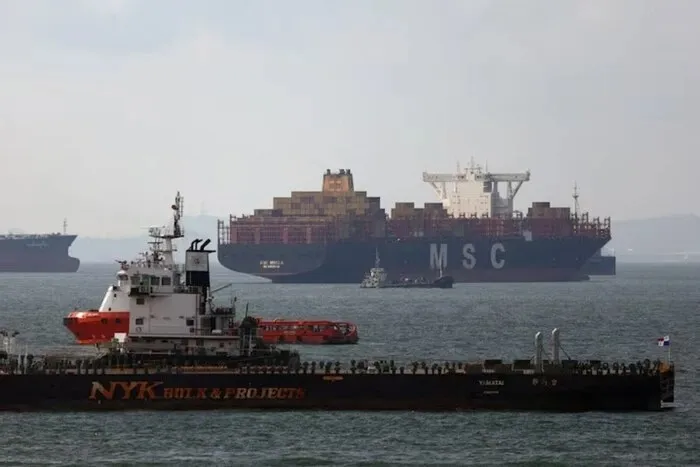
The global fuel oil market is heading toward a serious shortage. In the third quarter, the shortage could rise to 218,000 barrels per day, which threatens to lead to more expensive fuel for ships, higher electricity costs, and rising shipping costs.
The world may face a shortage of fuel oil, which is used to power ships and some power plants. Supply is shrinking due to problems at oil refineries, disruptions in maritime transport, and reduced shipments from major oil-producing regions.
According to a forecast by the consulting firm Energy Aspects, the fuel oil shortage could reach 218,000 barrels per day in the third quarter. By comparison, the situation was quite different a year earlier. In the third quarter of 2025, the shortage amounted to only about 6,000 barrels per day. In other words, the potential deficit would have increased tenfold over the course of a year.
Wars have reduced supplies
One of the main causes of the market’s problems has been the wars, which simultaneously disrupted both the production and transportation of petroleum products. The attacks damaged part of the refining capacity in Russia and the Middle East. Navigation issues also made it more difficult to transport fuel between regions.
China plays a distinct role. The country has reduced oil refining and exports of petroleum products in an effort to preserve its own reserves. As a result, less fuel oil is reaching the global market at a time when demand for it remains high.
Refineries Are Focusing on Gasoline and Diesel
The problem lies not only in damaged refineries. Oil refineries themselves are changing their production mix. Due to high demand and better profitability, they are trying to produce as much diesel fuel, gasoline, and jet fuel as possible.
To do this, they may use some of the fuel oil as feedstock. In other words, refineries are simultaneously reducing the amount of fuel oil entering the market while increasing production of other types of fuel. This puts additional pressure on fuel oil supply.
Inventories are already significantly lower
The consequences of this situation are already evident in global inventories. In key trading hubs—Singapore, Amsterdam-Rotterdam-Antwerp, and Fujairah—fuel oil inventories are approximately 30% below the average seasonal levels of the past three years. At the same time, the price of ultra-low-sulfur marine fuel is rising.
In Singapore, its price has risen by about 76% since the start of the war with Iran. As of September 1, the price had reached nearly $825 per metric ton. By comparison, Brent crude oil rose in price by about 40% over the same period.
In other words, marine fuel is rising in price much faster than crude oil itself. “Due to ongoing supply disruptions in the Middle East, we expect fuel oil supplies to remain critically constrained in the third quarter,” Rystad Energy analyst Valerie Panopio told Reuters.
Asia Is Most at Risk
Asian countries may be hit hardest by these problems. They rely heavily on fuel oil supplies from the Persian Gulf. Singapore remains particularly vulnerable. It is the world’s largest ship bunkering hub—that is, a place where ships refuel en masse.
The country imports more than half of the nearly 1 million barrels of fuel per day needed to meet domestic demand. If supplies continue to shrink, competition for available fuel will intensify. This could drive prices even higher.
Russia has also lost part of its exports
The decline in Russian shipments has also been a significant factor. Due to Ukrainian strikes on Russian oil refineries, fuel oil exports from Russia fell to a record low in August—approximately 591,000 barrels per day.
By comparison, Russia exported an average of more than 860,000 barrels of fuel oil per day throughout 2025. Thus, one of the world’s largest suppliers is now selling significantly less fuel than before. This further reduces available supply.
The Middle East has also cut back on shipments
Another problem has arisen in the Middle East. From March to August, fuel oil exports from the region fell by 45% compared to the same period last year.
On average, shipments amounted to about 447,000 barrels per day. This is a significant loss for the global market, especially given that Asian countries are heavily dependent on supplies from the Persian Gulf.
What This Means for Ships and Electricity
The fuel oil shortage could have consequences far beyond the oil market. First and foremost, fuel for ships is becoming more expensive. And bunker fuel is one of the main cost drivers in maritime transport. If shipowners have to pay more for fuel, they may pass on part of these costs to their customers. As a result, freight rates may rise.
This, in turn, increases logistics costs in global trade. Higher shipping costs may ultimately affect consumer prices as well. Problems may also arise in the energy sector. In countries where fuel oil is used to generate electricity, more expensive fuel will mean higher production costs. For now, the market is trying to compensate for the shortage by drawing on reserves, changing supply routes, and switching to other types of fuel.
But if disruptions in production and transportation persist, the shortage could become even more acute. As a result, the global fuel oil market came under heavy pressure by the end of summer. Inventories at major trading hubs are shrinking, Russia and Middle Eastern countries are selling less, and refineries are prioritizing the production of gasoline, diesel, and jet fuel. All of this could lead to further price increases for marine fuel, higher shipping costs, and additional expenses for the global economy. Reuters reports this, citing analysts and market participants.
A new fuel oil leak has been detected in the Kerch Strait from the sunken Russian tankers “Volgoneft-212” and “Volgoneft-239.” The pollution came to light after the Russian government announced that the removal of fuel oil from the vessels had been completed. Satellite images confirm the new leak.


