
Russian ports in the Baltic Sea have not resumed operations following drone attacks — Reuters
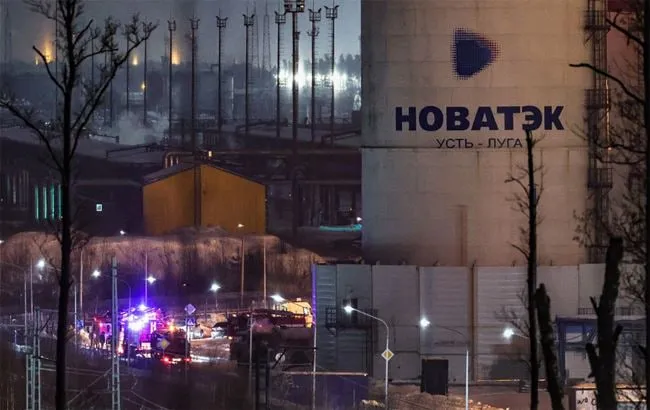
The Russian oil ports of Ust-Luga and Koivisto in the Baltic Sea are still unable to fully handle oil shipments following strikes by Ukrainian drones. As a result, Russian oil refineries are forced to seek more expensive alternative routes for fuel exports.
This was reported with reference to Reuters.
According to the agency, Russian refineries are forced to seek alternative export routes, including more expensive rail transport to other terminals.
The situation with diesel fuel has become particularly complicated: since March 22, it cannot be shipped through Koivisto, which was one of the main export routes for Russian refineries in the European part of Russia and Siberia.
Due to infrastructure damage, efforts are being made to divert some fuel oil and other petroleum products to other ports, notably Vysotsk and Taman. However, these options have limitations: lower capacity or more complex logistics.
According to traders, this is already putting additional pressure on the Russian oil system and could lead to a reduction in production.
Finnish maritime authorities told Reuters that shipments from Koivisto and Ust-Luga have dropped to “one vessel” per week, although the usual volume is 40–50 shipments per week.
As a reminder, following the drone attack, two Russian ports suspended operations — Reuters.
Recall that Russiareported a large-scale nighttime drone attack on several regions.
The Russian port of Ust-Luga has resumed oil exports following the drone attack.
Recall that drones attacked a strategic oil terminal in the Leningrad region.
Drones also attacked the Saratov region, with over 60 explosions reported.
