
UN official calls preventing World War III the main task — The National
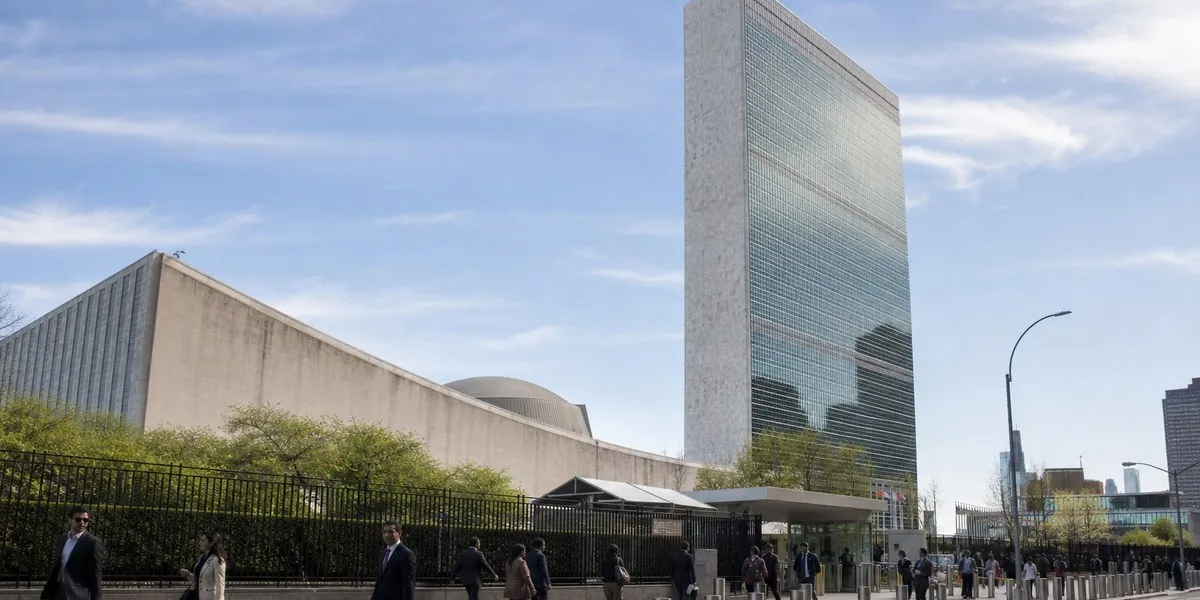
In New York, United States, UN Under-Secretary-General for Humanitarian Affairs Tom Fletcher said that preventing World War III must be the main task of the coming year and of the organization’s next secretary-general. He called for immediate de-escalation, as he believes humanity is approaching a critical threshold.
Fletcher said that people are increasingly losing control over weapons, artificial intelligence, the climate, and the global economy, which is being put on a war footing. According to him, these factors and various flashpoints could push the world toward a much larger war, The National reports.
Humanitarian priorities
During a week of high-level debates at the UN General Assembly, Fletcher presented ten specific requests to states that, in his assessment, could help save 11 million people. These include allowing female humanitarian workers to work in Afghanistan, releasing detained UN staff in Yemen, and restoring humanitarian operations in both countries.
He assessed progress on these goals at two to three points out of ten. At the same time, Fletcher reported the formation of a coalition on Afghanistan, some progress in the Democratic Republic of the Congo, and support for access to areas affected by the Ebola outbreak. He also expressed optimism about keeping the Adre border crossing between Chad and Sudan operational.
More current news is available on the UA.News Telegram channel Telegram.
Aid to Gaza and funding
According to Fletcher, the UN, together with a coalition that includes the Board of Peace, is preparing a winter aid plan for 2.1 million people in Gaza. The plan provides for delivering 90,000 family tents to the enclave over the coming weeks. He noted that the share of Gaza residents going to bed hungry had fallen from 92% to less than half of the population, but called that level unacceptable.
Fletcher also drew attention to a major funding shortfall for humanitarian aid. According to him, humanitarian operations used to be coordinated with around $50 billion annually, while there is now about $12 billion. The organization aims to raise $23 billion for priority needs. Fletcher added that this amount is less than 1% of global spending on weapons.
Separately, he warned about the spread of cheaper drones, including those equipped with artificial intelligence. After a trip to Ukraine, Fletcher called such drones “extremely worrying” and said that this threat would not remain local.




