
Japanese Prime Minister Takai did not visit the Yasukuni Shrine on the anniversary of Japan's surrender
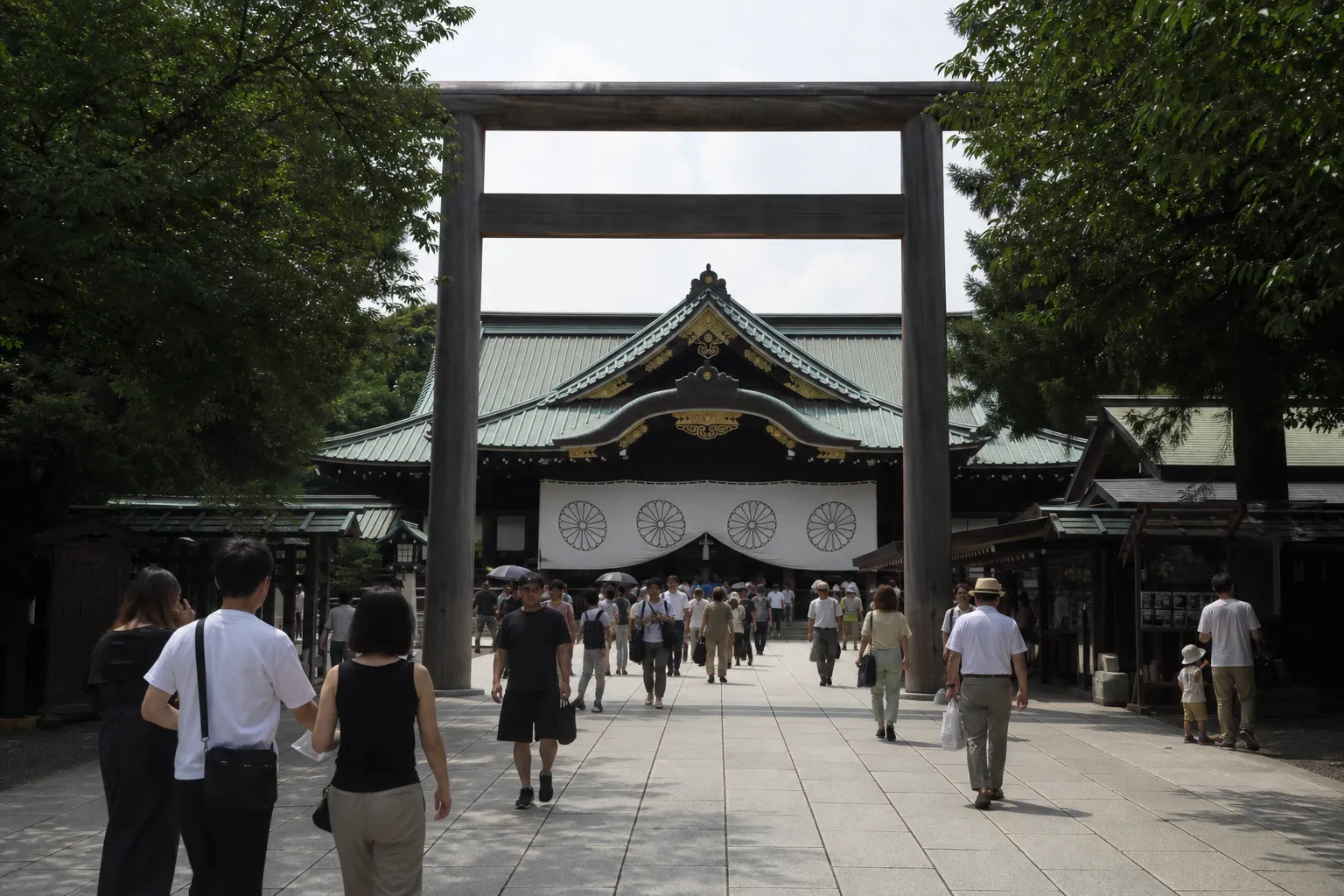
Japanese Prime Minister Sanae Takaichi did not visit the Yasukuni Shrine in Tokyo on August 15, when the country marked the 81st anniversary of its surrender in World War II. According to NDTV World, her absence from the shrine was likely intended to avoid further straining relations with China and South Korea.
At a memorial ceremony held at the Nippon Budokan, Takai paid tribute to the victims of the devastation in Hiroshima, Nagasaki, and Okinawa, as well as to those who died on overseas battlefields. She stated that since the end of the war, Japan has consistently contributed to global peace and prosperity and “will never allow the tragedy of war to be repeated.” At the same time, in her speech, the prime minister made no mention of Japan’s wartime past in Asia nor did she express regret for it.
Defense Minister Shinjiro Koizumi, three other cabinet members, three leaders of the Liberal Democratic Party, and a nonpartisan group of dozens of lawmakers visited the Yasukuni Shrine that day. LDP Secretary-General Shun’ichi Suzuki said he prayed on behalf of Takai and delivered monetary donations she had made in her capacity as party leader.
For more breaking news, follow the UA.News Telegram channel.
Yasukuni honors more than 2.4 million war dead. The shrine has become a subject of controversy following the enshrinement of 14 convicted Japanese war criminals from World War II. China and South Korea view visits by Japanese officials to this site as evidence of a lack of remorse for Japan’s wartime crimes.
China’s Foreign Ministry protested the visits to the shrine, stating that Japanese politicians allegedly seek to overturn the convictions of war criminals, cover up war crimes, and distort historical facts. South Korea’s Foreign Ministry also criticized the visits and donations, calling them an anachronism that ignores history. At the same time, South Korean President Lee Jae-myung, in a speech marking the anniversary of Korea’s liberation from Japanese colonial rule, emphasized the importance of cooperation between Seoul and Tokyo.
At the ceremony, Emperor Naruhito stated the need to prevent a recurrence of wartime destruction by “reflecting on the past and remembering our deep remorse.” Japanese emperors have not visited Yasukuni since 1978, when convicted war criminals were honored there as “martyrs.”


