
Rectors of Russian universities are urging students to take out loans worth millions for their education
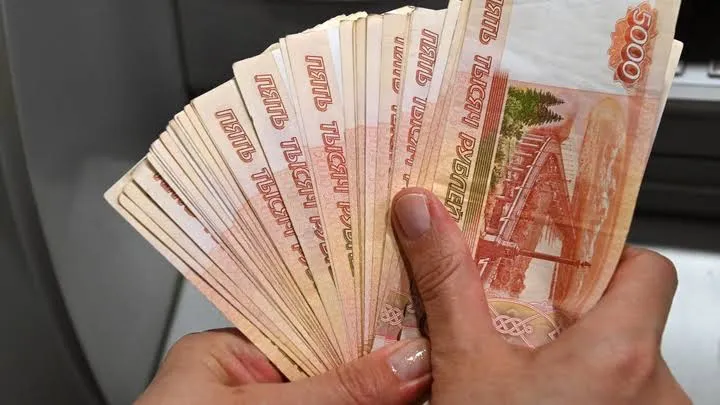
The presidents of Moscow’s leading universities have stated that Russians should not be afraid to take out multi-million loans to pay for higher education, since the costs can allegedly be recouped within a few years after finding employment.
Alexei Zabelin, head of the Moscow State University of International Relations (MGIMO), said that graduates of his university earn between 120,000 and 200,000 rubles per month, while tuition costs about 400,000 rubles per year. According to him, provided that a portion of one’s income is allocated toward debt repayment, the loan can be paid off in 3–4 years.
At the same time, Nikolai Kudryavtsev, an advisor to the rector of the Moscow Institute of Physics and Technology (MIPT), noted that the actual payback period for an education may exceed six years. He explained that with tuition costs of about 1.2 million rubles per year and an average graduate salary of about 100,000 rubles per month, repaying the loan would require significant spending cuts.
Boris Padalkin, rector of the Stankin Moscow State Technical University (MDTU), stated that graduates of his university can recoup the cost of their education in about a year after finding employment, since the average salary for engineers ranges from 100,000 to 150,000–200,000 rubles per month.
Demand for student loans in Russia is growing amid rising tuition costs at universities. According to data from the “Vyberu.ru” service, in June–August 2025, the number of education loans issued increased by 32% compared to the previous year, and the total amount of funds disbursed rose by 37%.
Most Russians who take out such loans opt for state-supported programs with an annual interest rate of 3%. As of April 1, 2026, there were more than 329,000 preferential loan agreements in effect in the Russian Federation, totaling 116.7 billion rubles.
At the same time, in 2026, the Russian government restricted the preferential lending program: state-supported loans are now available only for specific fields of study, including engineering, medicine, education, and the natural sciences.
According to the Russian Ministry of Science and Higher Education, the average annual tuition for first-year students at Russian universities increased by 10.7%. The largest increases were recorded in Moscow—13.8%—and St. Petersburg—11.1%.
Read:
Wage arrears for construction workers in Russia have risen sharply amid the crisis
Russia has expanded its shadow fleet of gas carriers to 25 vessels.
Earlier, Zelenskyy thanked Britain for sanctions against drone manufacturers and recruiters.
It was previously reported that President Volodymyr Zelenskyy signed a new package of sanctions. Among other things, the restrictions apply to entities from Belarus.
Ukraine will intensify pressure on Russia and its partners over the illegal export of grain from temporarily occupied territories and is preparing new sanctions.


