
Russia has banned Armenian dried fruit and a number of other goods
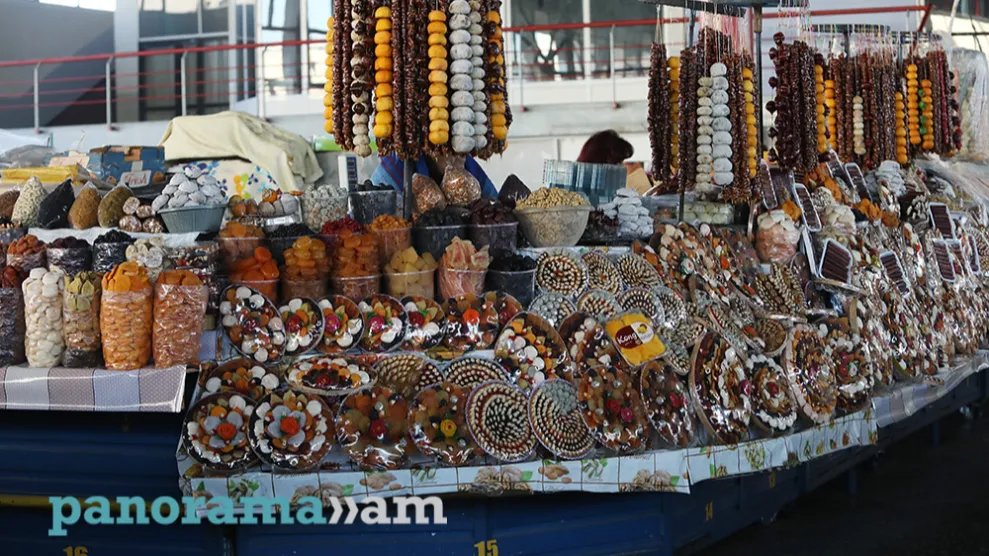
The Russian agency "Rosselkhoznadzor" has officially announced the imposition of temporary restrictions on the import of a wide range of agricultural products from Armenia, effective June 3, 2026. The complete ban covers the import of pome fruits (including apples, pears, and quinces), fresh eggplants, potatoes, as well as various dried fruits of Armenian origin and shipment.
In addition, the Russian side is completely blocking the transit of these categories of goods through its territory to other member states of the Eurasian Economic Union (EAEU). Russian officials cited the alleged lack of reliable mechanisms for product safety control and verification as the main reason for this move. Meanwhile, Armenian Prime Minister Nikol Pashinyan has already called Moscow’s actions politicized, promising to provide state subsidies to affected Armenian exporters.
This move marked another stage in the rapid trade blockade of Armenia, which Russian regulatory authorities began implementing in late May:
May 22: Rospotrebnadzor completely halted the import and domestic circulation within the Russian Federation of all shipments of the well-known Armenian mineral water “Jermuk.” Subsequently, on May 29, the agency issued an official order to block the sale of 64.5 million bottles of this water that had already been imported through the state labeling system, and also restricted imports of wine and cognac from three major Armenian producers.
May 30: A temporary ban on imports from Armenia of fresh tomatoes, cucumbers, sweet peppers, various leafy greens, and strawberries was activated.
June 2: The list of restrictions was expanded to include stone fruits and berries, blocking the supply of fresh cherries, sweet cherries, apricots, plums, peaches, nectarines, and grapes. At the same time, Rosselkhoznadzor forced the Armenian side to completely suspend veterinary certification of live fish and fish products intended for export to Russia for absolutely all enterprises in the country, with the exception of only two companies that had previously passed a special Russian inspection.
The Russian side’s official justification is based on claims of “increasing violations of phytosanitary requirements” and accusations against the Armenian Ministry of Economy regarding structural problems and an inability to control local farmers. However, international analysts agree that this unprecedented pressure on Armenian exports is a direct tool of political pressure by the Kremlin on the Armenian government due to the ongoing cooling of bilateral relations and the diversification of Armenia’s foreign policy toward the West. The restrictions will remain in effect indefinitely—until the parties agree on a new procedure for ensuring cargo security.
Source: Panorama.


