
Russia plans a large-scale construction of concrete roads to save budget funds
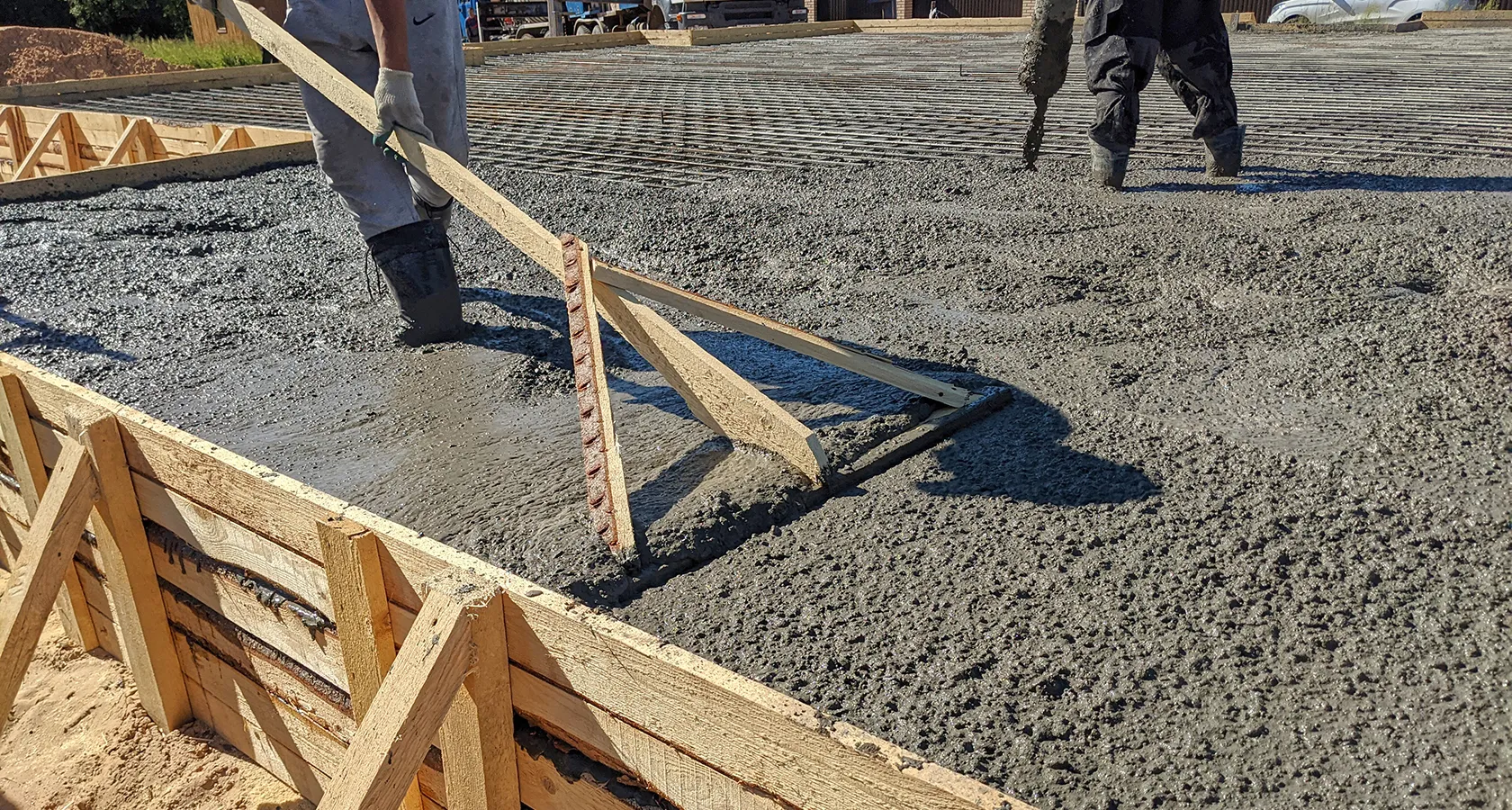
The government of the aggressor country is considering a return to the Soviet practice of building highways with cement-concrete pavement.
The largest cement producer in the Russian Federation, the company “Cemros,” is already preparing to lay the first 45 experimental sections of such highways by the end of 2026.
According to studies commissioned by the company, the transition to concrete pavement will reduce Russia’s consolidated budget expenditures by nearly 30%.
The issue of the economic efficiency of using cement concrete in the road sector began to be actively discussed at the level of the relevant ministry in 2025.
Denis Manturov instructed the Ministry of Transport and the Ministry of Finance, in collaboration with the Soyuzcement association, to assess the feasibility of widespread implementation of this technology.
An analysis of cost standards approved by the Russian Ministry of Construction shows a significant difference in the price of building new roads.
According to official documents, one kilometer of a standard asphalt road costs the budget 9–11% more than a similar route with a concrete surface.
In addition to lower construction costs, the project’s proponents emphasize the durability of such roads compared to their asphalt counterparts.
Russian authorities expect that reducing costs for routine maintenance will help free up funds that are currently critically needed by the budget for other purposes.
However, experts note that the mass construction of concrete roads requires specialized equipment and adherence to strict temperature regimes.
The return to Soviet-era technologies indicates the aggressor’s attempts to adapt to conditions of economic isolation and resource shortages.
The Russian government acknowledges the inevitable lag of its own economy behind the global economy
The Russian government has cut its economic growth forecast for the current year by two-thirds
The Russian economy ended the first quarter of 2026 with a decline for the first time in three years


