
Russia cancels Icebreaker7 construction project due to equipment problems
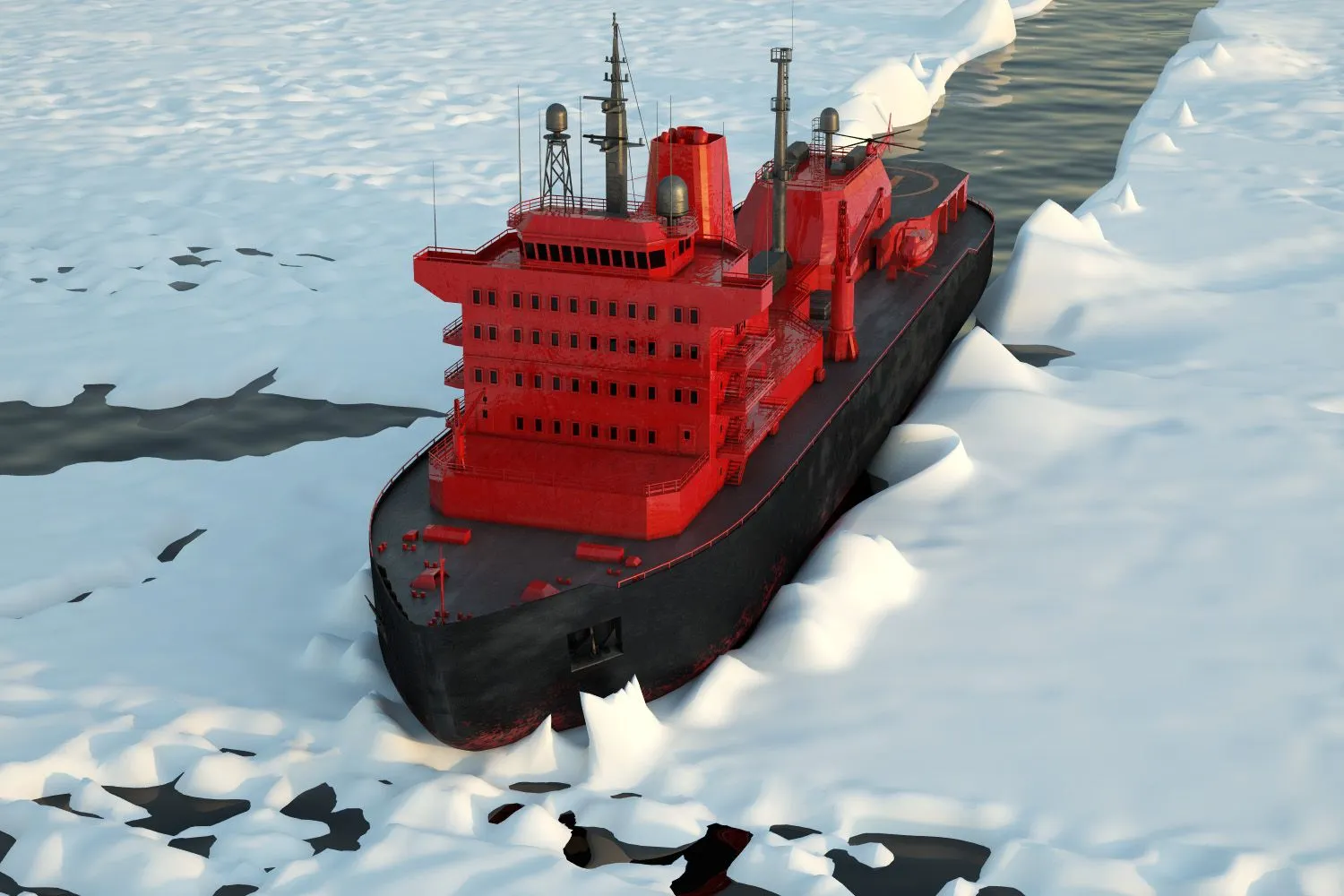
Russian company Rosmorport has decided not to proceed with building two Project 23620 Icebreaker7 icebreakers at the Onega Shipyard.
The decision comes after project costs nearly doubled due to difficulties in replacing imported equipment with Russian-made alternatives.
Originally, the Icebreaker7 vessels were designed to navigate Arctic seas with ice thicknesses of up to 2–2.5 metres. Rosmorport will now focus on constructing Arc6-class tugs, which can only break through ice 1.1–1.3 metres thick, limiting their effectiveness in Arctic conditions. The Icebreaker7 design was developed by specialists from Baltsudoproekt.
The original plan relied on foreign components, including Azipod propeller-steering columns from Swedish-Swiss company ABB and engine generators from Finnish company Wartsila. Sanctions have prevented Russia from purchasing this equipment, forcing attempts to substitute domestic alternatives, which substantially increased project costs.
The Icebreaker7 vessels were intended for year-round operation in the Baltic, White, and Barents Seas, as well as the Arctic Ocean during summer and autumn. They would have been the first Russian vessels equipped with liquefied natural gas power plants, significantly expanding technological capabilities for Arctic operations.


