
AI helped decipher ancient Babylonian prophecies about eclipses
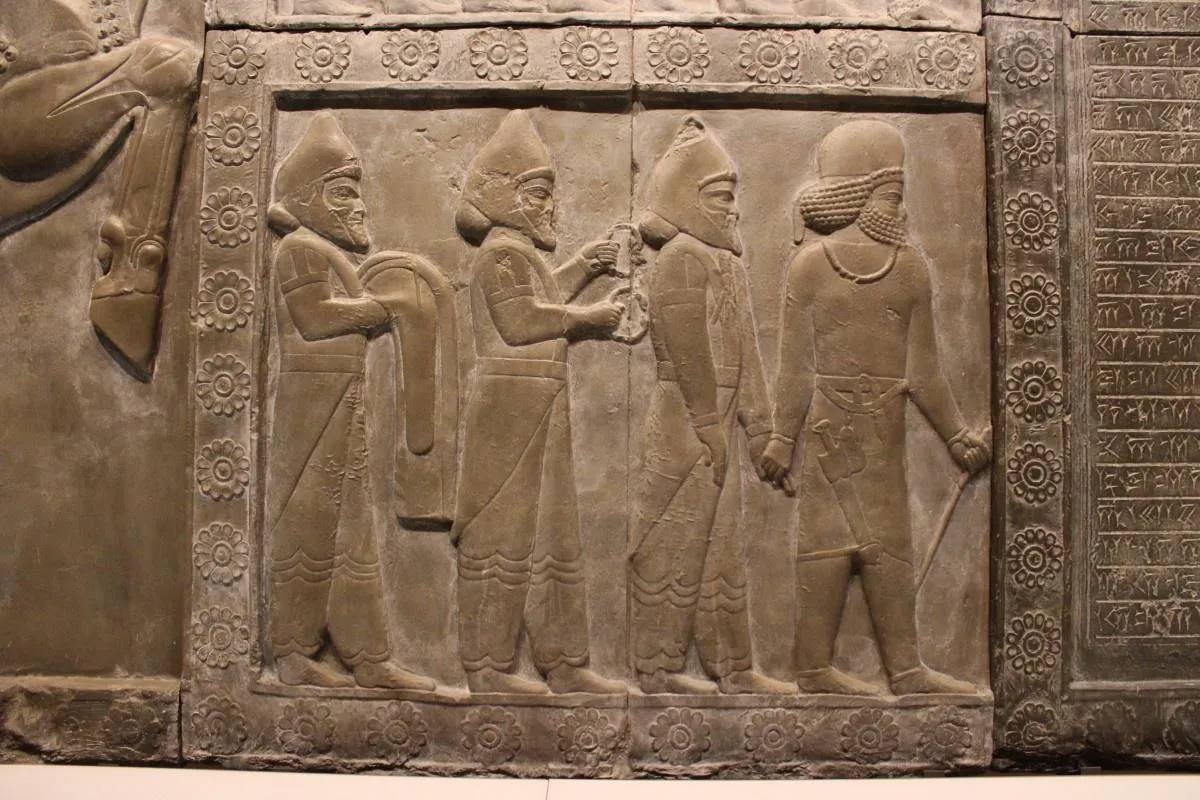
Artificial intelligence has helped scientists decipher ancient Babylonian clay tablets that had remained a mystery to researchers for over a century. The texts revealed grim prophecies linked to lunar eclipses, which the Babylonians interpreted as omens of disaster and political upheaval, according to KomputerSwiat.
The British Museum housed a collection of ancient Babylonian clay tablets that remained partially undeciphered for over a century until modern artificial intelligence technologies were brought in, allowing for a new interpretation of the cuneiform script and the discovery of the meaning of texts written around 3,000 years ago.
These are four tablets from the city of Sippar in modern-day Iraq, dating to around 1200 BCE, which contain astrological interpretations of lunar eclipses—phenomena the Babylonians viewed not as natural occurrences but as warnings from higher powers of potential catastrophes. “An eclipse during the morning watch is the end of the dynasty,” reads one of the translations of the text.
Another tablet contains an even more alarming prophecy: “If the eclipse suddenly completely covers its center and suddenly becomes completely clear: the king will die, and Elam will be destroyed.” Another inscription warns of epidemics and natural disasters: “An eclipse in the evening signifies the plague. If the eclipse is in a bad direction, nothing will be saved, and a flood will come everywhere.”
Researchers note that such texts were not merely “prophecies,” but rather instructions for priests and rulers who used astrological interpretations as a tool to influence society and political decisions, explaining natural phenomena in a way that served their interests or justifying their own actions.
As a reminder, Nvidia CEO Jensen Huang stated that the development of AI will not lead to mass unemployment but, on the contrary, will contribute to the creation of new jobs.
Scientists have developed AI to predict obesity-related diseases.


