
The U.S. and Cuba are back at the negotiating table
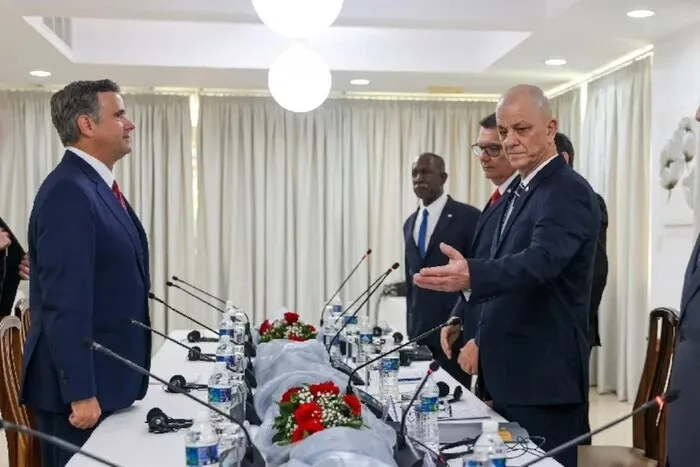
Trump on the possible resumption of dialogue between the two countries. CIA Director John Ratcliffe arrived in Havana as part of the U.S. delegation, according to Reuters.
Ratcliffe met with representatives of the Cuban Ministry of the Interior. During the talks, the parties discussed security issues, cooperation between law enforcement agencies, and the situation in the region.
Cuban authorities stated that both countries are interested in security cooperation. “Both sides also emphasized their interest in developing bilateral cooperation between law enforcement agencies in the interests of the security of both countries, as well as regional and international security,” the Cuban statement said.
Separately, representatives from Havana emphasized that Cuba does not pose a threat to U.S. national security. According to Reuters, this issue was one of the main topics of the meeting.
The U.S. side has not yet released any official details of the talks. At the same time, Western media note that the very fact of the CIA director’s visit to Cuba is highly unusual and may indicate an attempt by Washington and Havana to gradually restore contacts after a long period of strained relations. Just a few days ago, Donald Trump stated that the U.S. and Cuba “are going to talk.” Shortly thereafter, Reuters journalists spotted a U.S. government plane at Havana’s airport. Later, Cuban state media officially confirmed that the meeting had taken place.
The talks took place at a difficult time for Cuba. The country is experiencing one of the worst energy crises in recent years. Cuban authorities previously announced a complete shortage of diesel fuel and fuel oil, which are necessary for power plants to operate. As a result, in many regions, the lights go out for 20–22 hours a day. Some power plants are operating intermittently due to outdated equipment and a lack of resources.
Amid the energy crisis, protests have broken out in Havana and other cities. People took to the streets, banged on pots and pans, and blocked roads. Clashes between protesters and police were also reported.
Cuban authorities attribute the situation to U.S. sanctions, problems with oil supplies, and a reduction in aid from Venezuela, which for a long time remained the island’s main energy supplier. Partial fuel shipments from other countries, particularly Russia, have not significantly improved the situation.
During hearings in the U.S. Senate, Admiral Brad Cooper also stated that Washington is closely monitoring the situation in the region and continues to assess risks to the security of the U.S. and its allies.
It is currently unknown whether these talks will mark the beginning of a broader dialogue between Washington and Havana. However, the CIA director’s visit itself is already being called an important signal of possible changes in relations between the two countries.
As a reminder, the United States and Venezuela’s interim government have agreed to restore diplomatic and consular relations between the two countries. The U.S. State Department called this decision an important step toward stabilizing the situation in Venezuela and improving bilateral relations.
Venezuela and the U.S. have signed a multimillion-dollaragreement for the supply of gold.
As a reminder, gold prices rose to a one-month high amid escalating tensions in the Middle East.
Oil prices are also rising due to the conflict in the Middle East and risks to the Strait of Hormuz.


