
US warns allies of missile delivery delays — The Japan Times
The United States has warned its allies about possible delays of up to five years in the delivery of key types of weapons as it replenishes its own depleted ammunition stockpiles. The Japan Times reports, citing Bloomberg.
According to officials, several European countries expect delays in deliveries of missiles and air defense systems due to the depletion of US arsenals as a result of the war with Iran. Germany asked the United States to expedite the delivery of long-range Tomahawk cruise missiles and Typhon ground-based launchers. However, manufacturer Raytheon, which is part of RTX, is unlikely to fulfill this order within the next five years because of the missile shortage in the United States.
Delays for Europe and Japan
Two other officials said that some Eastern European countries dependent on US weapons systems have also experienced delivery delays. According to them, the delays began shortly after the US and Israeli war against Iran started on February 28.
In April, Washington informed Japan that Tomahawk deliveries could be delayed by up to two years. Saudi Arabia also asked its allies, including the United States, for military support to counter Houthi attacks in Yemen. At the same time, Washington did not specify whether it would provide additional assistance.
More current news is available on the UA.News Telegram channel Telegram.
Patriot for Ukraine
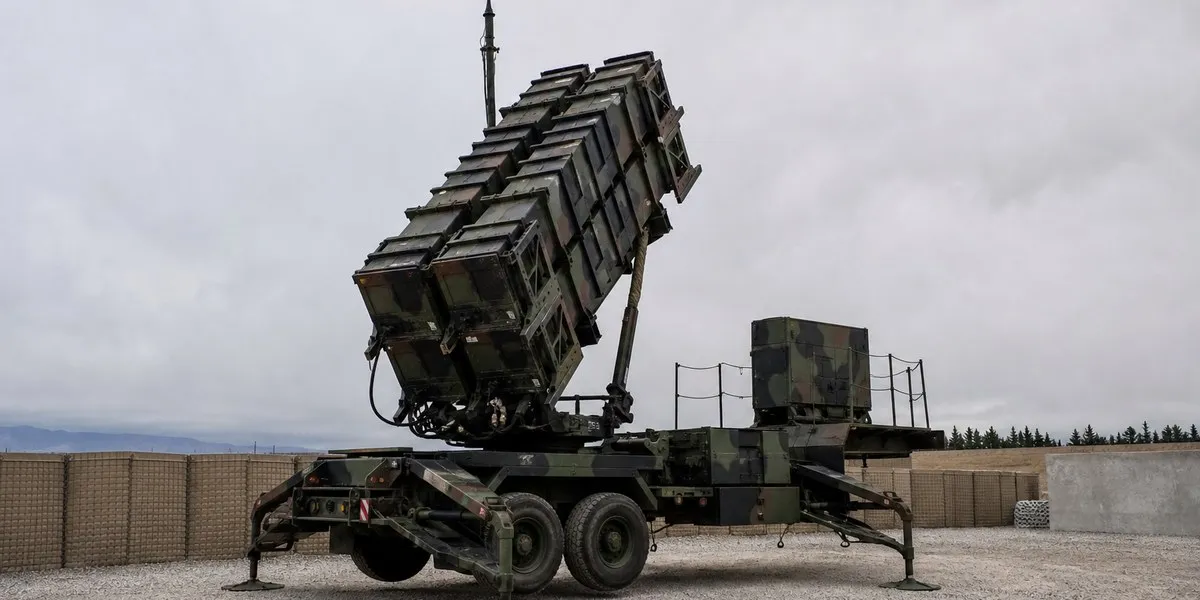
The priority replenishment of US arsenals is complicating Ukraine's efforts to obtain additional interceptor missiles for Patriot systems ahead of an expected difficult winter. The issue of Ukrainian air defense is expected to be one of the topics at meetings of world leaders at the UN in New York next week.
US President Donald Trump said this week that he is discussing with Ukraine the possibility of transferring a less advanced version of Patriot or granting European countries licenses to produce these systems. European leaders also plan to persuade Trump to provide Ukraine with more Patriot systems and allow European production of systems that could later be transferred to Kyiv.
By estimates, the United States used in Iran more than half of its stockpile of the most advanced Patriot missiles, one-third of its Tomahawk missiles, as well as nearly half of its precision strike missiles and THAAD interceptors. The US Congressional Budget Office believes that since June 2025, the country may have used up to two-thirds of its missile defense interceptor stockpiles. Lockheed Martin is working to increase annual production of PAC-3 MSE missiles from approximately 600 to 2,000 units.


